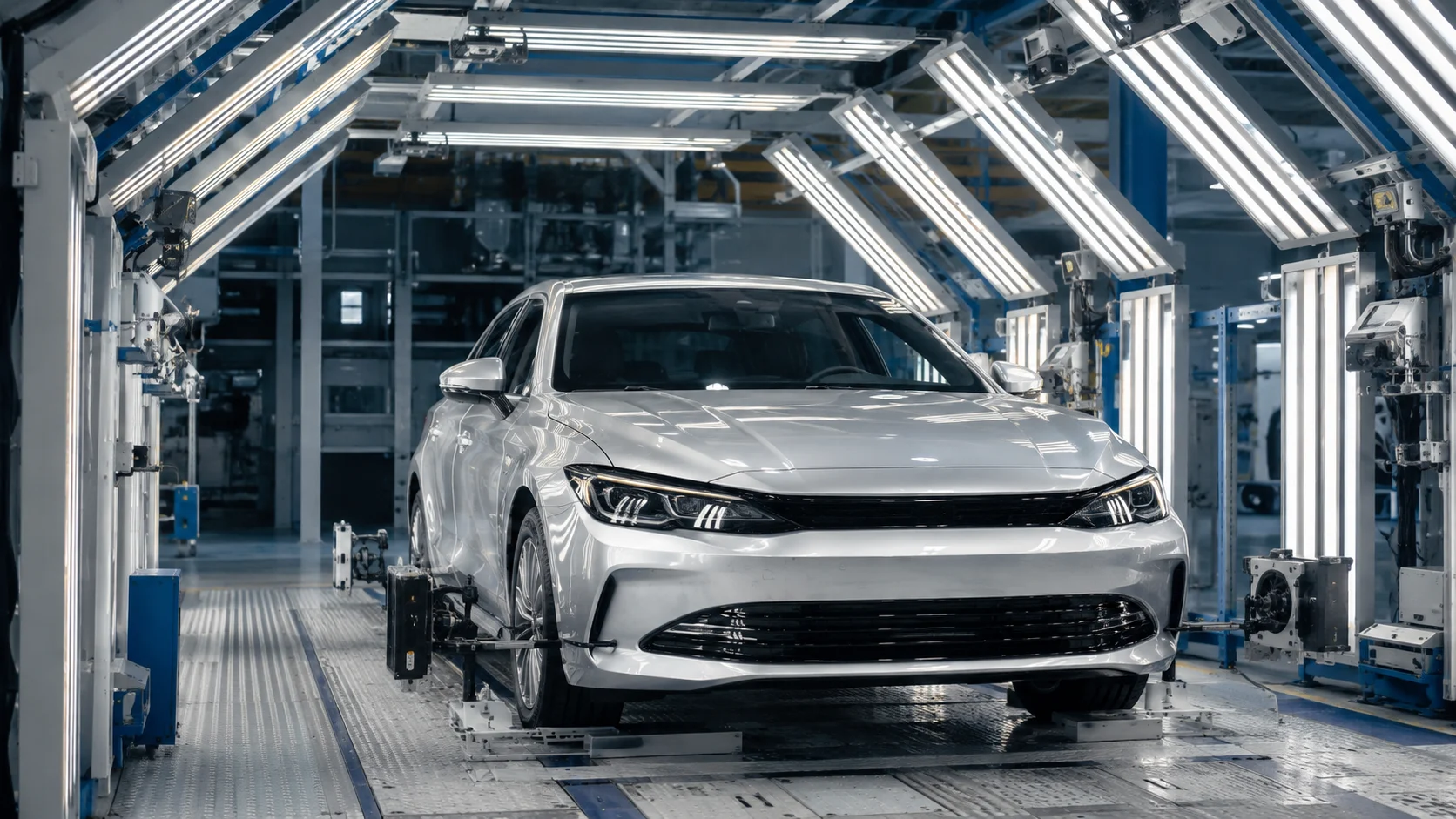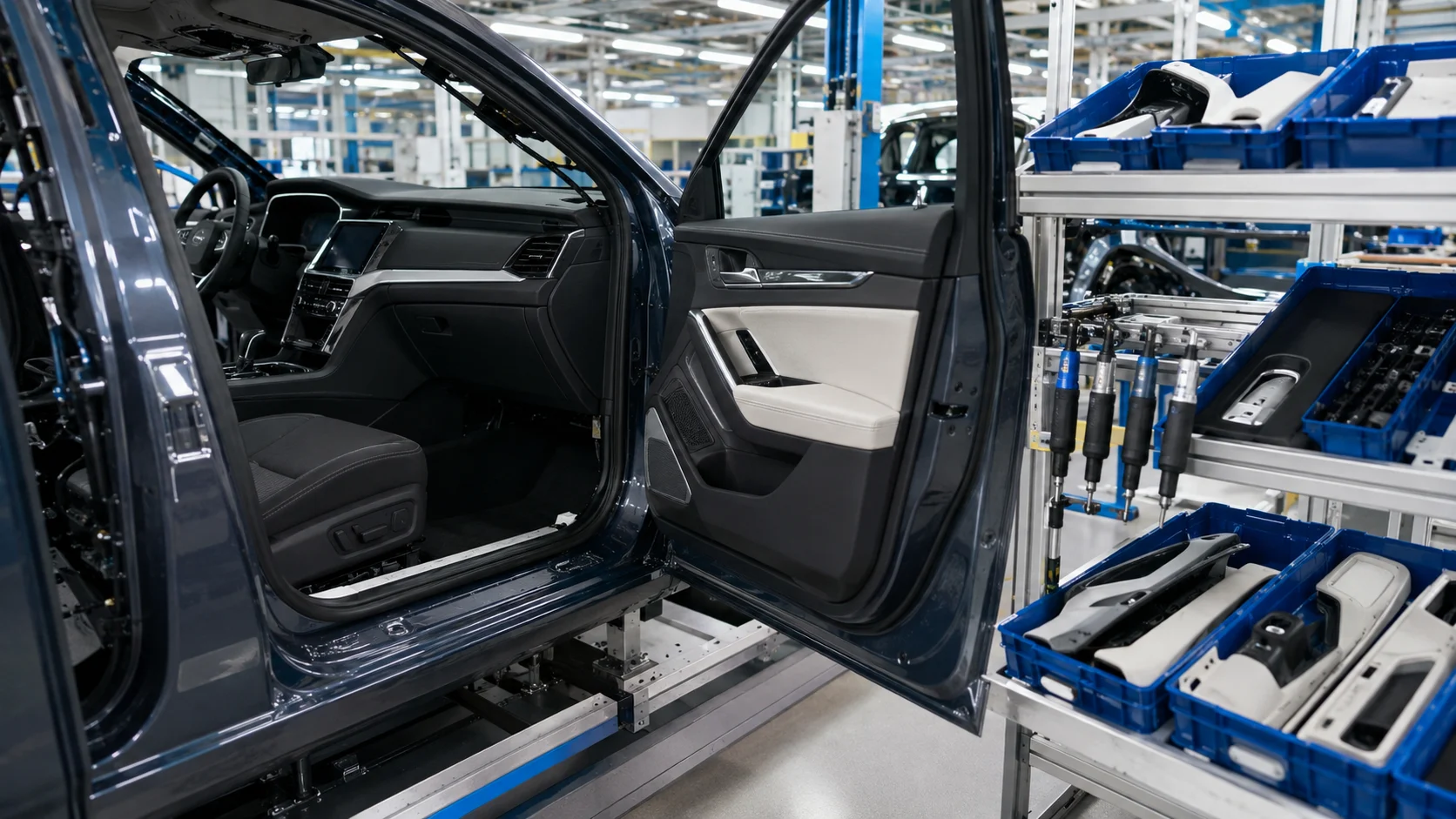






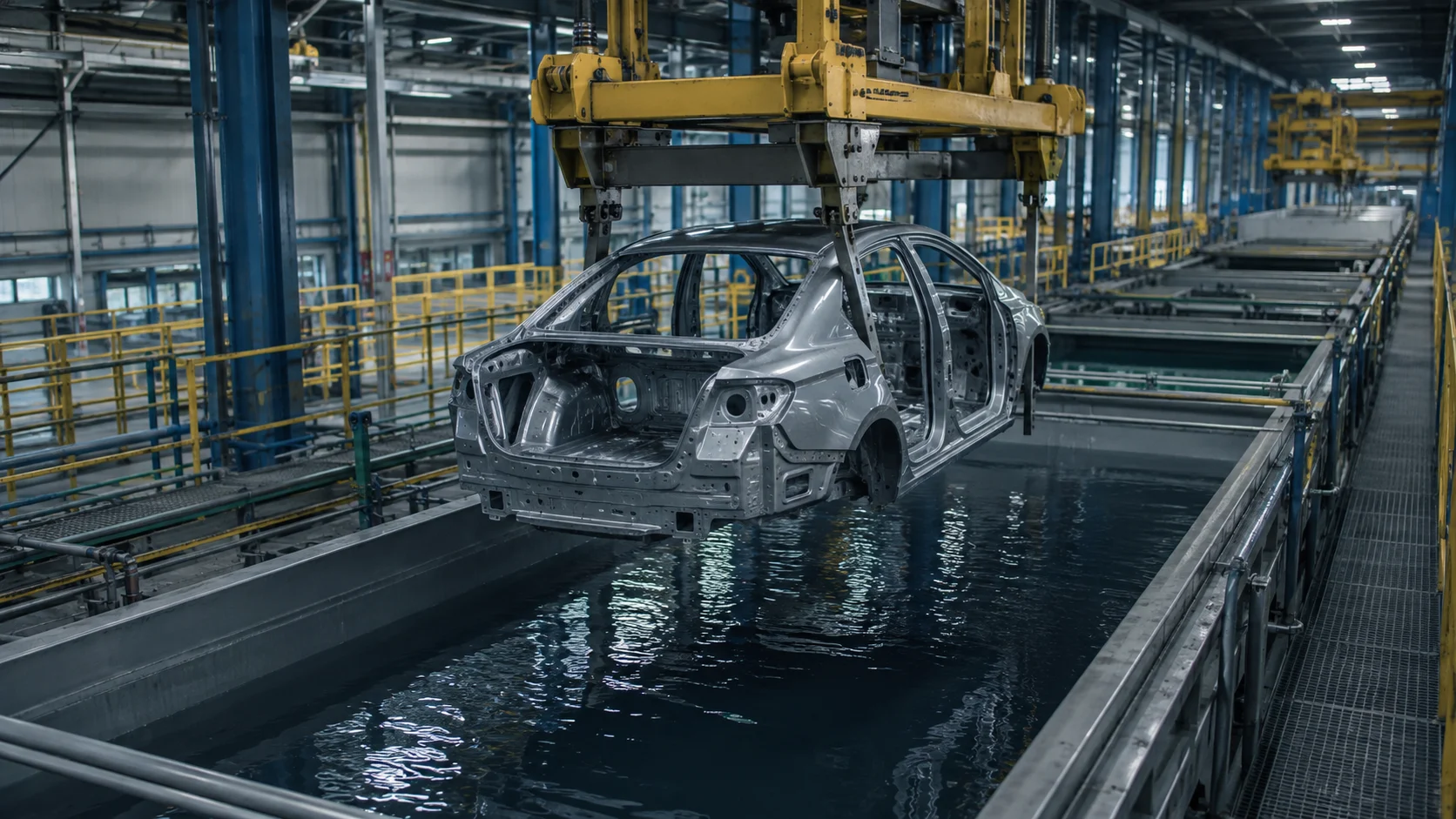
Manage bath conditions, the electrical process, body transfers and rinsing steps within a single record chain in electrocoating lines. Assessing KTL quality requires consideration of every stage of the line.
Assess the KTL line as a whole
Electrocoating is one of the processes used for coating automobile bodies. The surface pretreatment, the coating bath, rinsing, and subsequent curing steps all influence each other. Therefore, the scope of automation should not be limited solely to the coating tank; the identity of the body and its processing history must be tracked from start to finish.
Link bath data to laboratory results
Temperature, level, and other process measurements selected within the scope of the project can be monitored online. However, some evaluations related to the bath chemistry require sample collection and laboratory analysis. Online sensors cannot replace all quality control measures. By recording the measurement time, sample location, analysis results, and any authorized interventions in the same system, it becomes possible to more effectively investigate the causes of any changes that occur.
Manage the electrical process through recipes
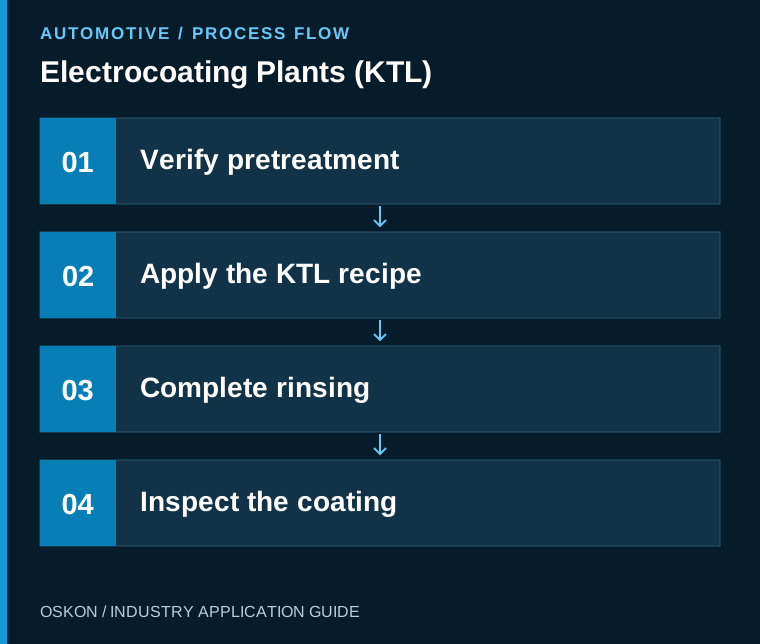
The application program is selected according to the verified process recipe. The records of the electrical values used can be associated with the body identifier; however, a single current or voltage value alone cannot determine the coating thickness in every area. The contact conditions, body geometry, and bath conditions also need to be taken into consideration during the evaluation process. Any changes to the parameters must be managed through authorized and approved procedures, and it must be possible to track any return to the previous recipe settings.
Transfer sequences and waiting times matter
The movement of the body between tanks is coordinated with the readiness of the relevant station and the position verification of the transfer equipment. Waiting times and incomplete transfers must be recorded. It should be possible to see on the screen which body is at which stage when the line stops. The restart plan supports process and quality assessment, rather than automatically accepting each product as suitable.

Make auxiliary systems visible
Circulation, filtration, temperature control, and rinsing systems contribute to the continuity of the main process. It is essential to distinguish between the operating commands for pumps and the actual feedback received. Maintenance status, the use of spare equipment, and measurement errors are clearly included in the alarm management system. Protective designs for related chemical and electrical hazards are developed through the evaluation of experts in equipment and process engineering.
Link quality verification to line data
Use appropriate measurement methods to check coating thickness, surface appearance and the other quality criteria defined for the project. Matching results to the body, recipe and bath operating period reveals whether problems cluster within a particular time interval or product family. Acceptance trials must cover different body models and recovery from planned stoppages. Records then support decisions as well as archiving.
Key information to monitor in the automation system
| Control point | Monitored information |
|---|---|
| Bath conditions | Online measurements and laboratory results |
| Application record | Electrical process history linked to the body |
| Transfer status | Station, waiting status and conveying position |
Three questions to ask at the start of the project
- Do laboratory results match the relevant production period?
- Are incomplete transfers tracked?
- Are quality measurements linked to the body recipe?
Explore related applications
Explore related processes in Sanding Booths and Body Filler Booths. Browse all Automotive articles or visit Automotive solutions.