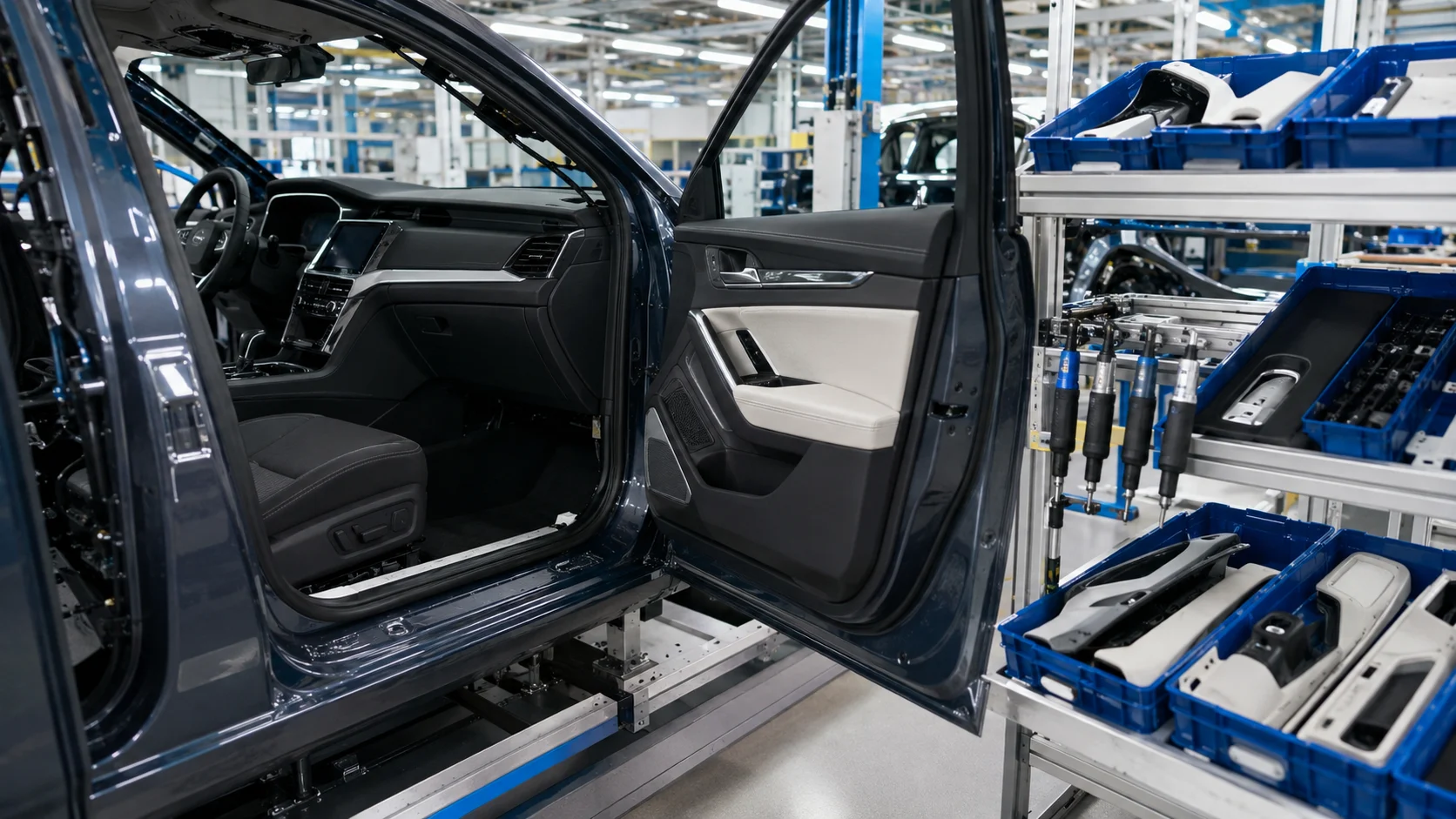






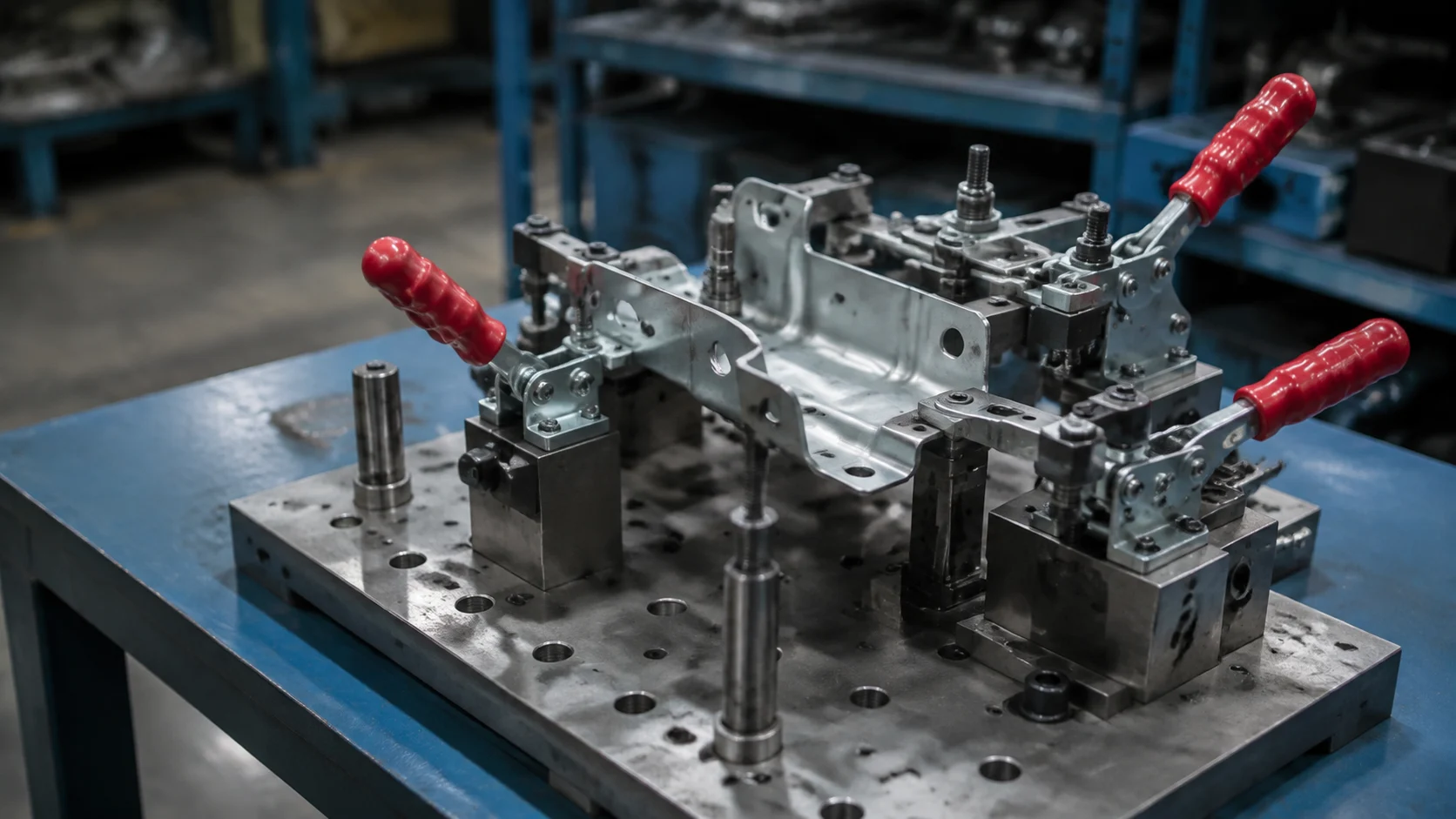
Manual fixture design considers datum points, clamping ergonomics, wear checks and operator verification together. A low level of automation should still provide controlled production.
When is a manual station suitable?
Low or variable production volumes, frequent product changes, and tasks that require operator skill can make the use of manual fixtures worthwhile. The decision to choose a manual fixture should not be based solely on the initial investment cost; factors such as the part’s weight, the required repeatability, processing time, and the cost of errors must also be taken into account. If the possibility of adding automatic clamping systems or sensors in the future is considered, space for such components can be reserved in the mechanical design from the outset.
Datum points must be clearly identifiable
It must be visually and mechanically clear which surfaces the operator should use to support the part. Physical error prevention measures should be implemented to prevent similar parts from being placed in the reverse or incorrect direction. Increasing the number of clamps does not always lead to better results; excessive clamping may damage the part or prolong the loading process. The fixture arrangement, along with the measurement system depicted in the technical drawing, must undergo joint engineering review.
Clamping sequence and work instructions
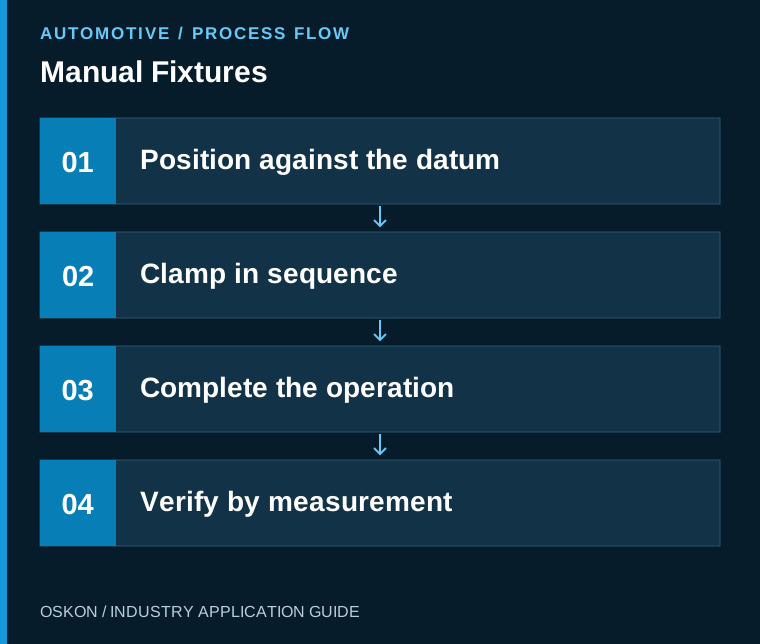
A clear, practical work sequence is a key means of standardising manual operations. Separate initial locating, preliminary clamping, final clamping and unloading. Instructions must match the actual station, with revisions tracked. Define how outdated instructions will be prevented from remaining in use after product changes. A part counter or simple electronic verification can assist operators with critical operations.
Simple sensors add value when correctly positioned
For detecting the presence of parts, the position of clamps, or the use of tools, sensors can be installed; however, each sensor must be designed to address a specific error scenario. As the number of sensors increases, so do the requirements for cables, settings, and maintenance. If it is not clear under what conditions a warning light will illuminate, it will not provide reliable guidance for the user. A control system should not consider a feature that requires measurement to be adequate merely based on the detection of its presence.

Wear checks and measurement verification
Locating pins and contact surfaces can wear over time. Plan inspection intervals for critical components according to usage and quality risk. Designs that preserve the datum when parts are replaced can help reduce maintenance time. Investigate gradual shifts in measurement results alongside fixture condition. Assess differences after operator changes in terms of the work sequence and ergonomics.
Acceptance testing goes beyond the first sample
Repeated trials by several operators using actual parts demonstrate the fixture's usability. Record loading difficulties, snagging during part removal and the possibility of incorrect positioning. The control plan must include accepted dimensions and verification steps to repeat after maintenance. A good manual fixture ultimately provides a clear, repeatable production method in everyday use.
Key information to monitor in the automation system
| Control point | Monitored information |
|---|---|
| Datum contact | Checking part positioning |
| Clamp status | Position verification at the required points |
| Measurement result | Monitoring the effects of wear and operator variation |
Three questions to ask at the start of the project
- Is loading in the wrong orientation physically prevented?
- How are locating stops checked for wear?
- Are results repeatable across different operators?
Explore related applications
Explore related processes in Semi-Automatic Fixtures and Bodyside and Underbody Robotic Lines. Browse all Automotive articles or visit Automotive solutions.