





Manage material identity, pass recipes and equipment feedback together in rolling mill automation. Assess the process conditions for hot and cold rolling applications separately.
Define the rolling mill type and product range
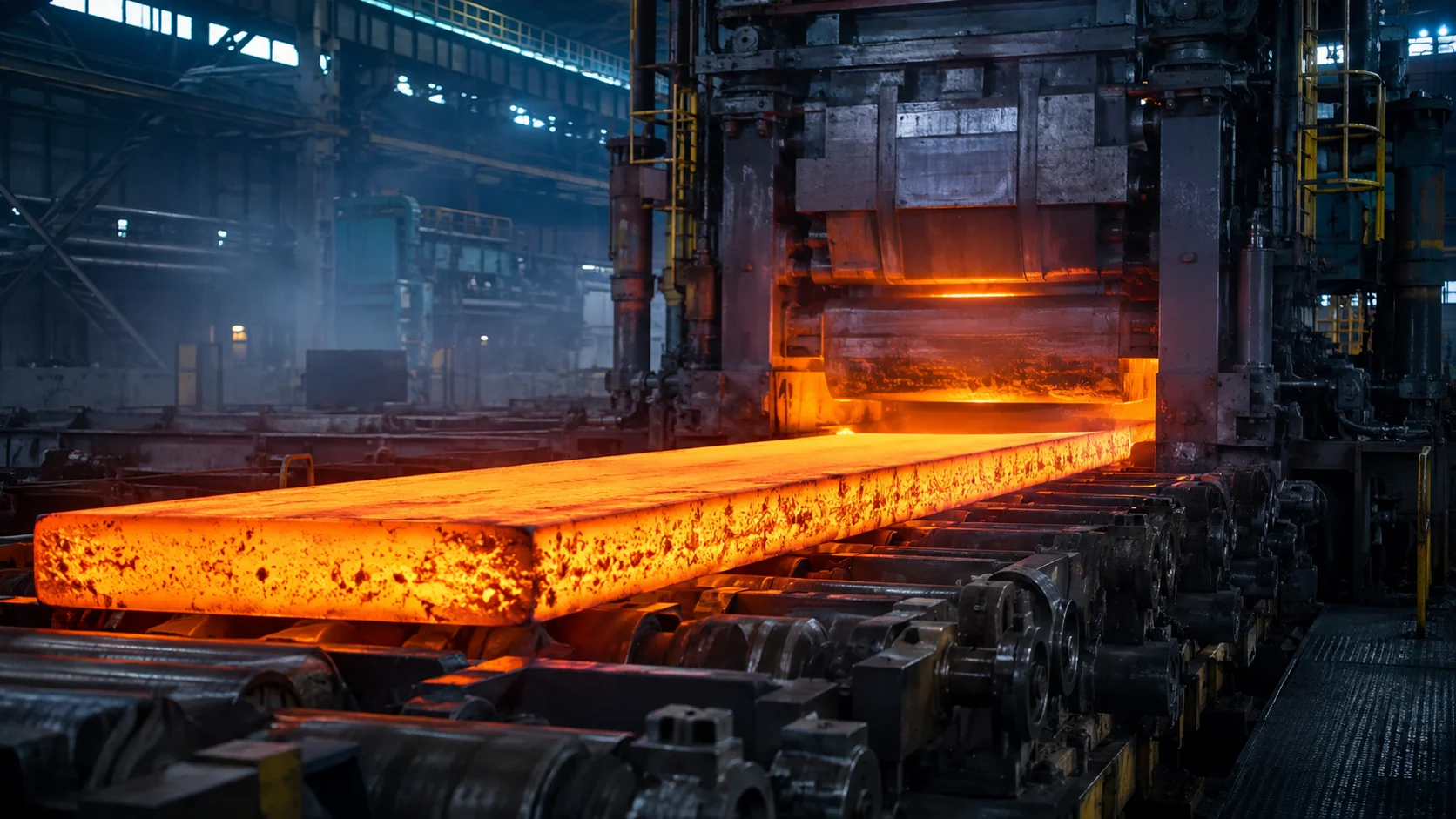
Rolling shapes metal between rolls. Hot or cold processing, product form and plant architecture change the control requirements. Clarify the project scope through the product range, existing mechanical structure and target quality characteristics.
The recipe must be based on material information
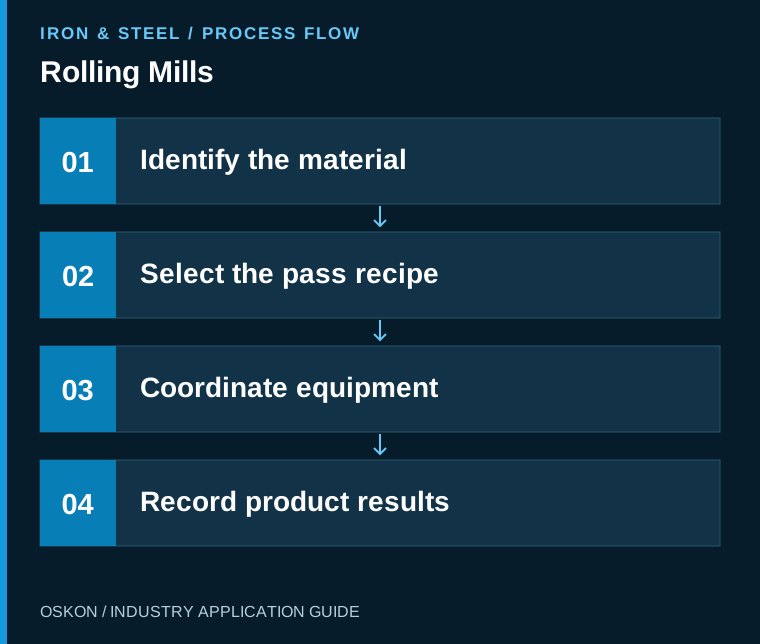
Match incoming material identity, dimensions and relevant properties to the production plan. Determine the pass sequence and settings through the approved process method. Automation records the recipe version and applied values. Missing material data or operator changes must not go unrecorded. Verify selections to prevent settings for different products from being mixed.
Drives and mechanical equipment are assessed together
Coordinate the speed and torque behaviour of the rolling mill, handling equipment, coilers and other auxiliary equipment in the project. Monitor commands and actual values, and define responses to communication loss and drive faults. Control performance depends on mechanical backlash, engagement and measurement conditions. Software adjustments alone may not resolve every process deviation.
Interpret the measurement scope correctly
Select thickness, temperature and other process measurements according to the line and equipment. A sensor's measurement point may not cover the same scope as a quality decision for the entire product. Monitor calibration, environmental effects and data quality. If alternative operation is used during a measurement fault, define its limits and authorisation clearly; do not present the last value as current.

Link product history to rolling passes
Link the applied recipe, stoppages, interventions and quality results to the relevant product record. Preserve the relationship to the parent material when products are reworked or split. Keeping alarm timestamps on a common clock supports event investigation. Organise data to identify the step where a deviation began, as well as to report total production.
Commissioning proceeds in controlled stages
After mechanical and electrical inspections, equipment interfaces, measurements, and product tests are scheduled. The acceptance range must represent actual product variations. Scenarios such as shutdowns and restarts, measurement errors, and deviations from the prescribed recipe are tested. The verification of protective functions is carried out in accordance with the relevant risk assessment and test plan. The results, along with the confirmed operating conditions, are recorded.
Key information to monitor in the automation system
| Control point | Monitored information |
|---|---|
| Recipe version | Pass and setting information applied to the product |
| Equipment feedback | Speed, load and fault status |
| Process measurement | Data supporting quality according to the line type |
Three questions to ask at the start of the project
- Are hot and cold process requirements distinguished?
- Are measurement faults clearly displayed on screen?
- Is product history linked to rolling passes?
Explore related applications
Explore related processes in Aluminium Casting Lines and Slitting Lines. Browse all Iron & Steel articles or visit Iron & Steel solutions.