































Chemicals are indispensable to modern life, and the development of the chemical industry helps raise living standards—an important indicator of a country's level of industrialisation. Chemical products also make a significant contribution to growth across other industrial sectors.
At the beginning of the twentieth century, a small number of chemical enterprises within the Ottoman Empire produced soap, liquorice extract, pumpkin extract and similar products. From the establishment of the Republic of Türkiye through the 1950s, these activities underwent industrial consolidation and production began in areas including explosives, pharmaceuticals, agricultural chemicals, detergents, printing inks and textile dyes. Development accelerated after the 1950s, particularly during the planned-economy period. Between 1960 and 1980, import-substitution policies directed public investment towards capital-intensive areas such as petrochemicals, fertilisers, and basic organic and inorganic chemicals, while private and foreign investment concentrated on pharmaceuticals, synthetic fibres, soaps and detergents. Türkiye adopted an export-oriented economic policy in 1980, leading to substantial growth in manufacturing output and exports. The chemical sector likewise benefited, recording impressive expansion in both production and international trade.
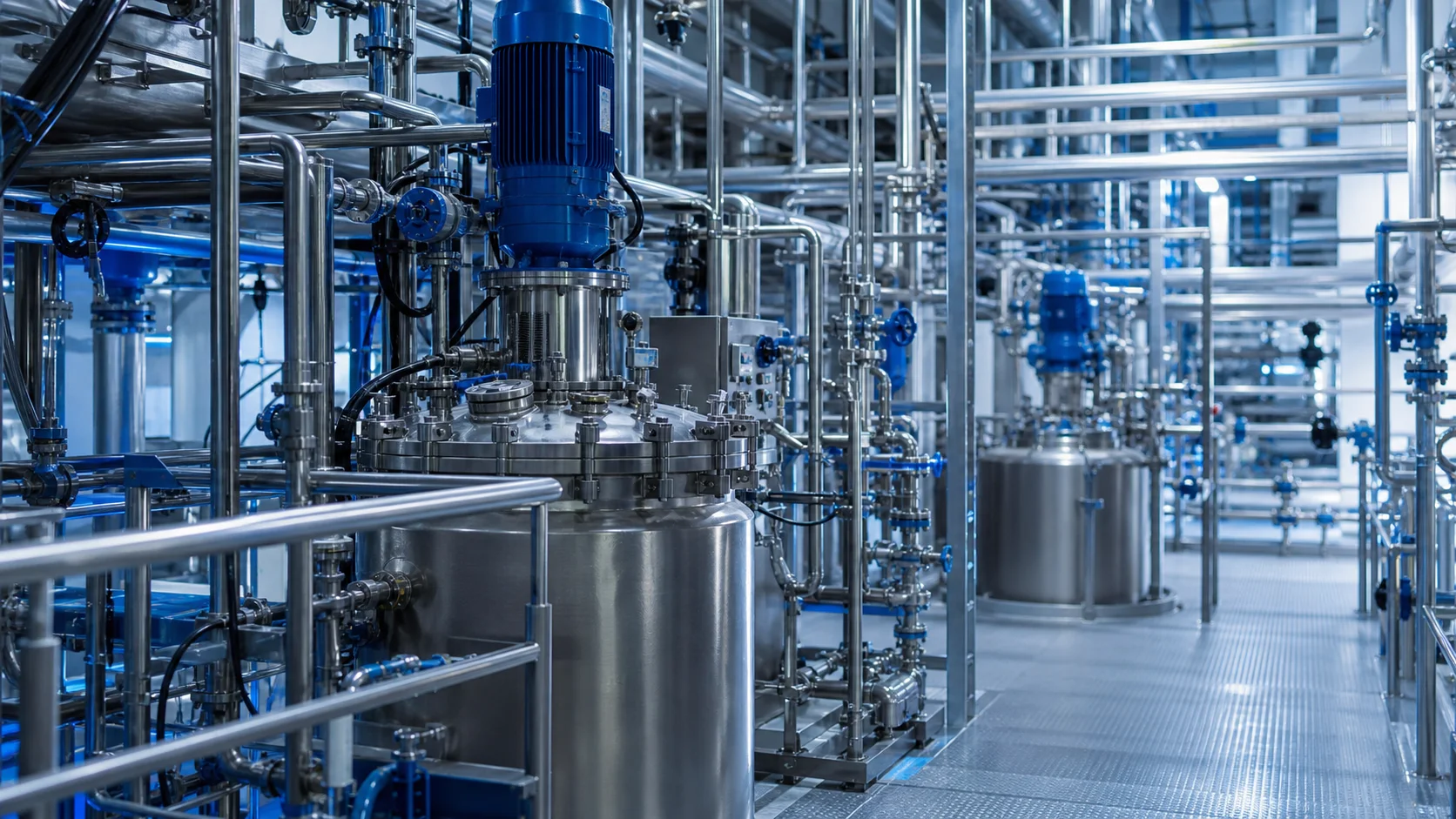
Maintains critical pressure, temperature and flow parameters within defined operating limits.
Executes production recipes through controlled, repeatable and authorised workflows.
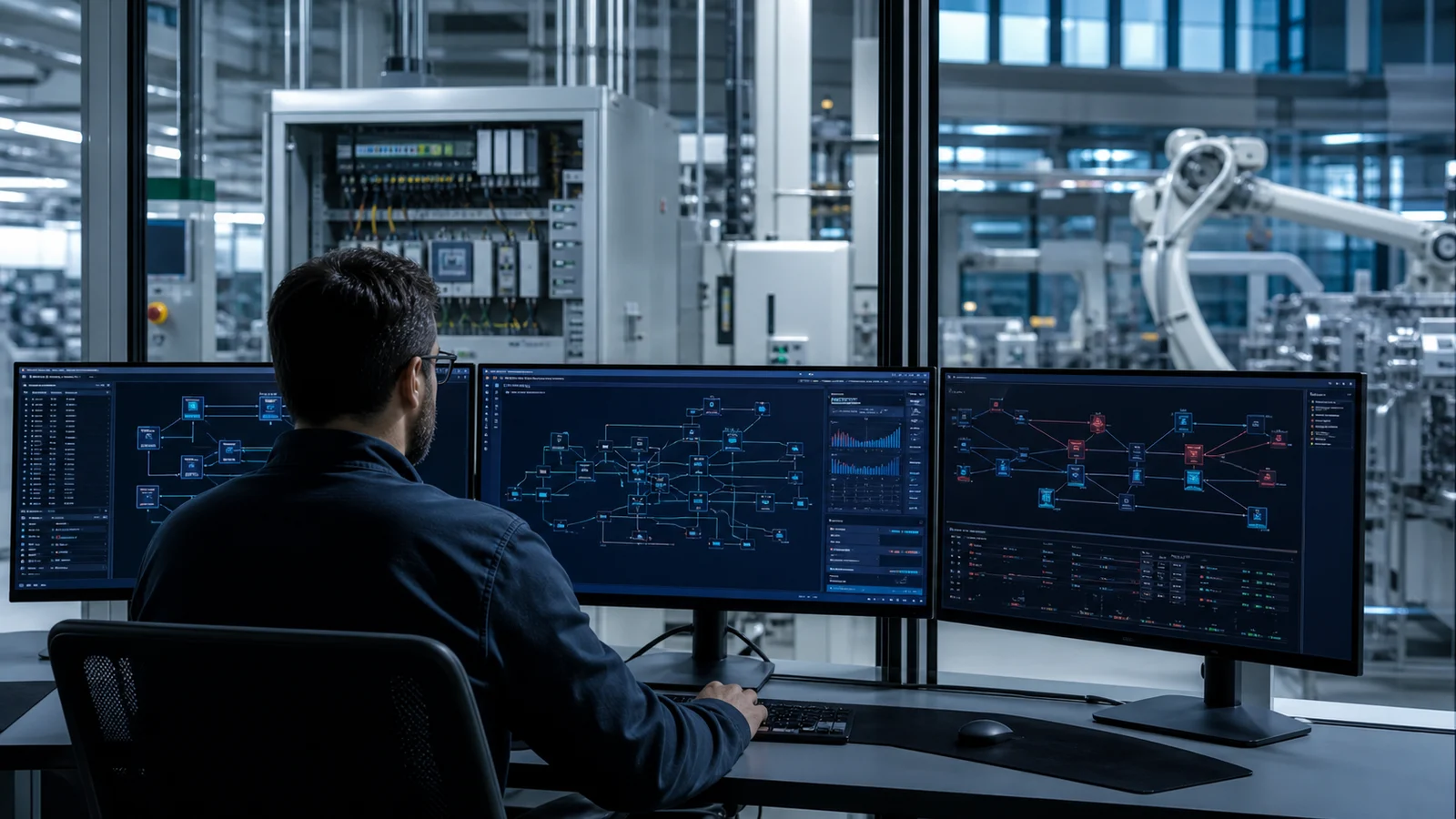
Presents alarms, trends and process data to operators in a meaningful real-time view.
Today, Türkiye's chemical industry is a core component of the country's industrial base, with modern technology and a diversified product portfolio integrated into national supply chains—particularly textiles and automotive.
Flexible and repeatable manufacturing is vital in the chemical industry. Its central requirements include a growing product range, optimised production processes and compliance with regulatory documentation obligations. These complex requirements can only be addressed through systems that control, monitor and analyse all production processes in an integrated and safe manner. Oskon Automation supports chemical producers with solutions including:
- Weighing Systems
- Silo Areas and Tank Farms
- Filling and Packaging Systems
- Detergent Production Plants
- Paint Production
- Gel Production Processes
- Clean-in-Place (CIP)
- Process Safety
We provide automation engineering and implementation services across these applications.
Oskon Automation also has a strong chemical-industry reference base including BETEK, BASF, BP, EVYAP, Unilever, HAYAT, Johnson Diversey, Cognis and TÜBİTAK.