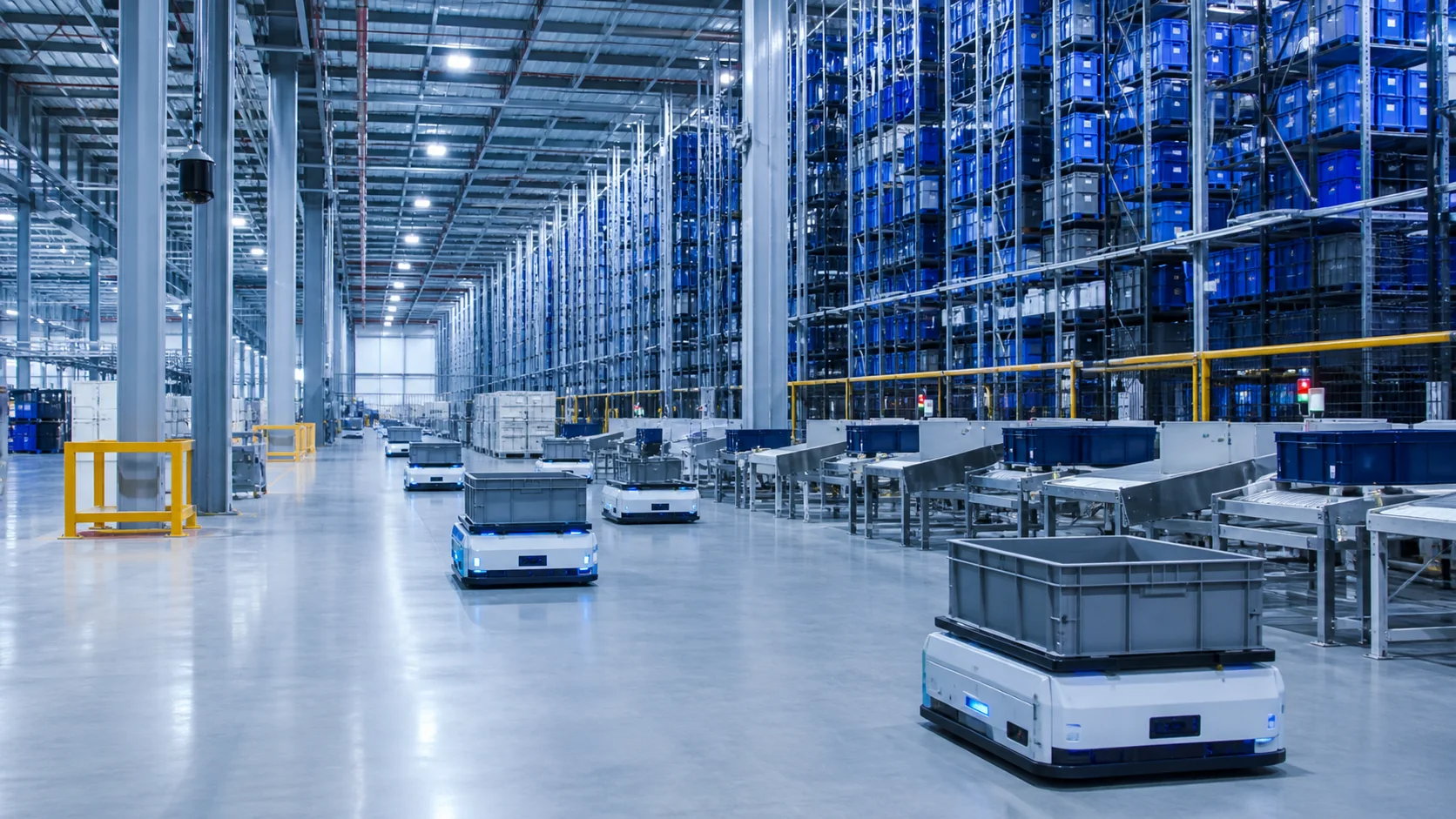






Changing layouts
When products and demand change, the transport layout should not require weeks of shop-floor rework.
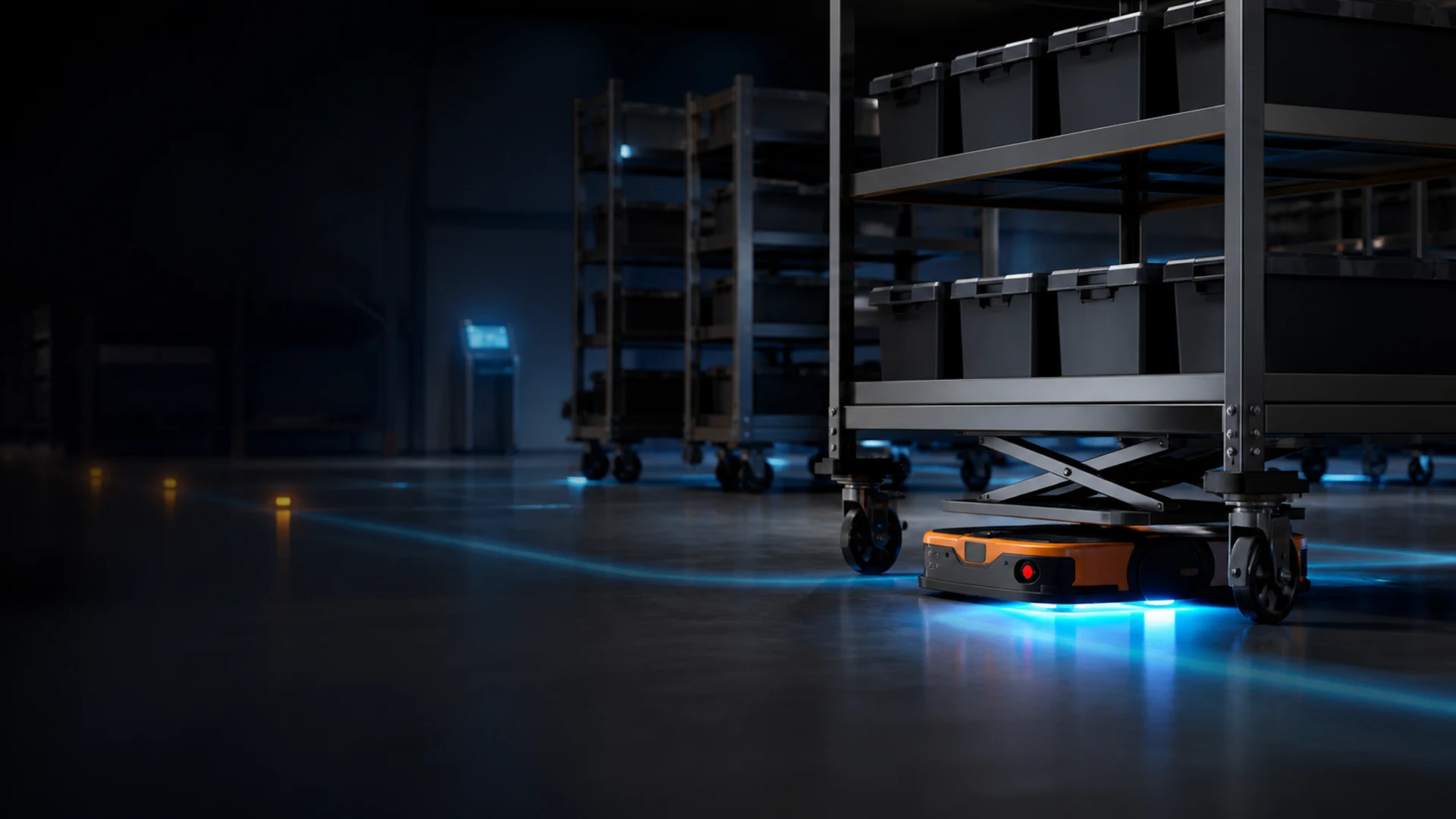
The compact LMR family travels beneath load carriers to perform lifting and transport tasks, adapting rapidly to layout and process changes.
Explore
When products and demand change, the transport layout should not require weeks of shop-floor rework.
Short, repeated moves along the same route should not consume operator time.
Aisles and manoeuvring areas should not eat into storage capacity.
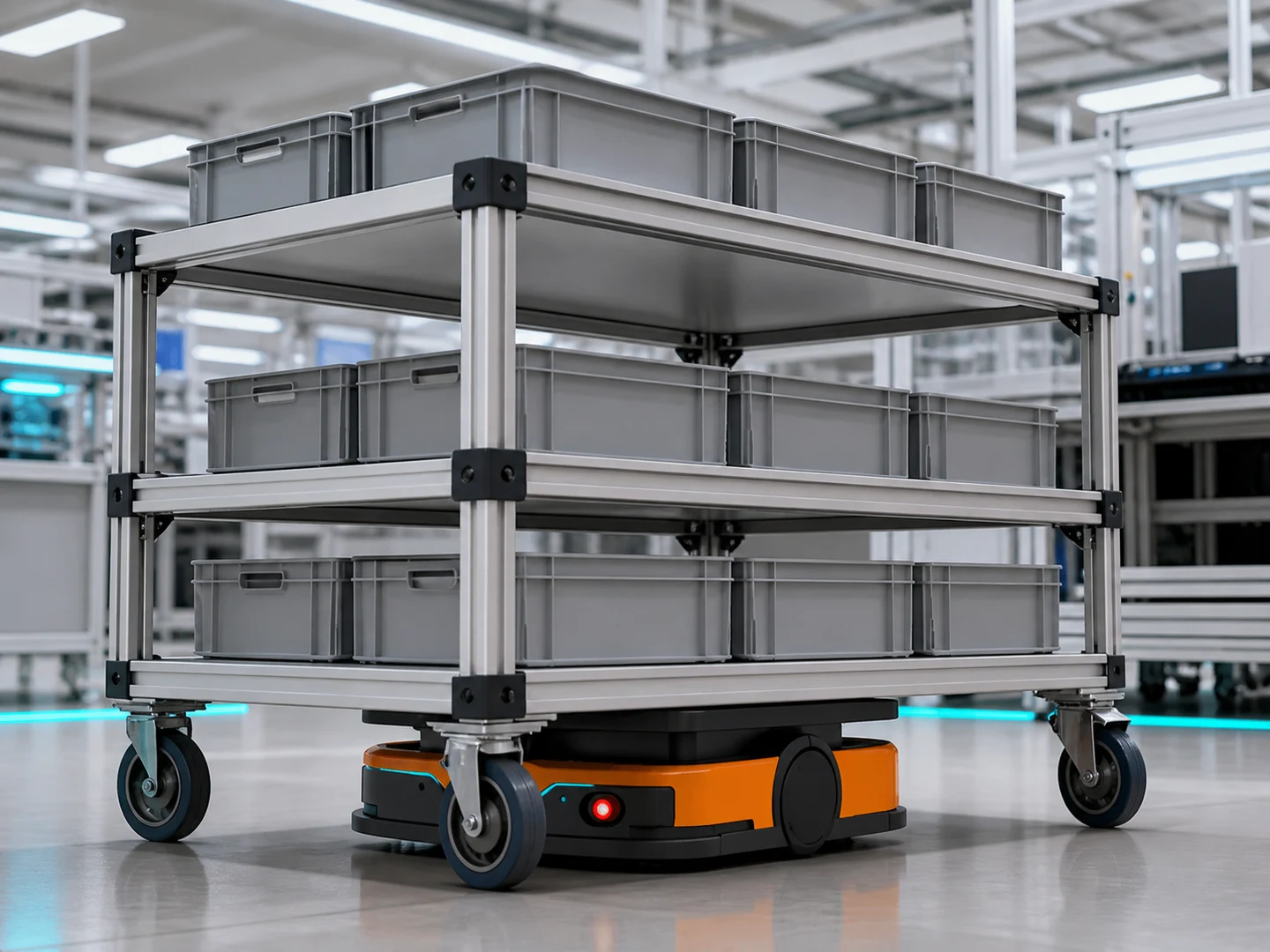
Characterised by its lifting mechanism, the LMR (Latent Mobile Robot) combines optimised motion performance with enhanced safety protection. It slides under the rack, lifts the load and carries it to the target point, creating a safer working environment and more cost-effective productivity.
LMR models share the same lifting logic and differ by load, rack size and aisle width.
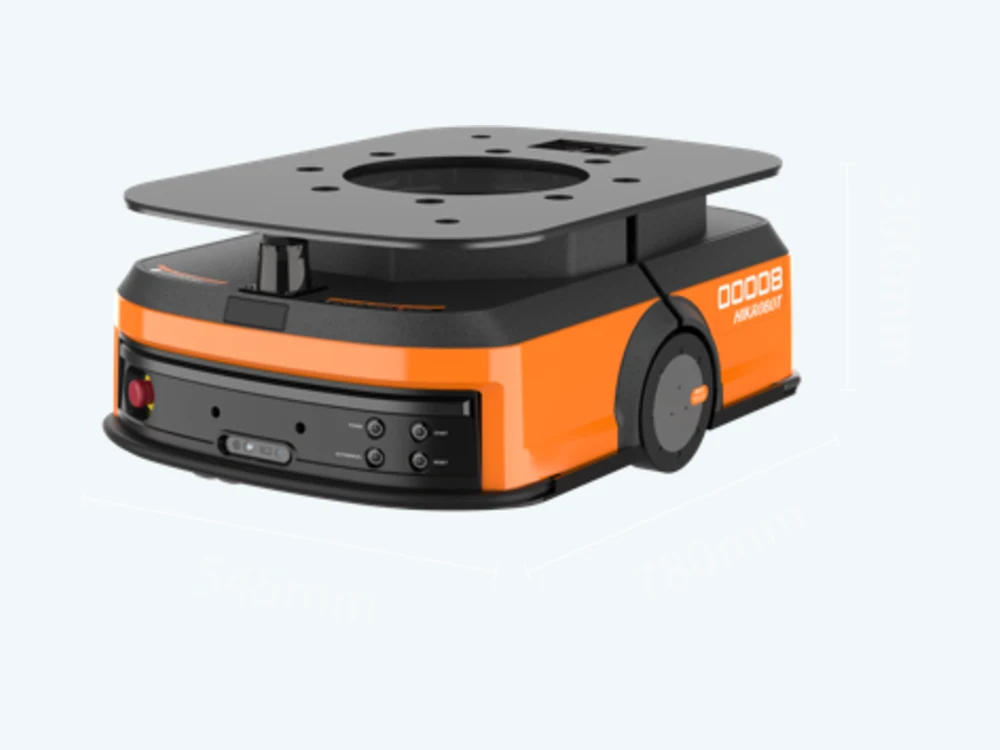
The most compact body in the series; works in narrow aisles and dense racking.
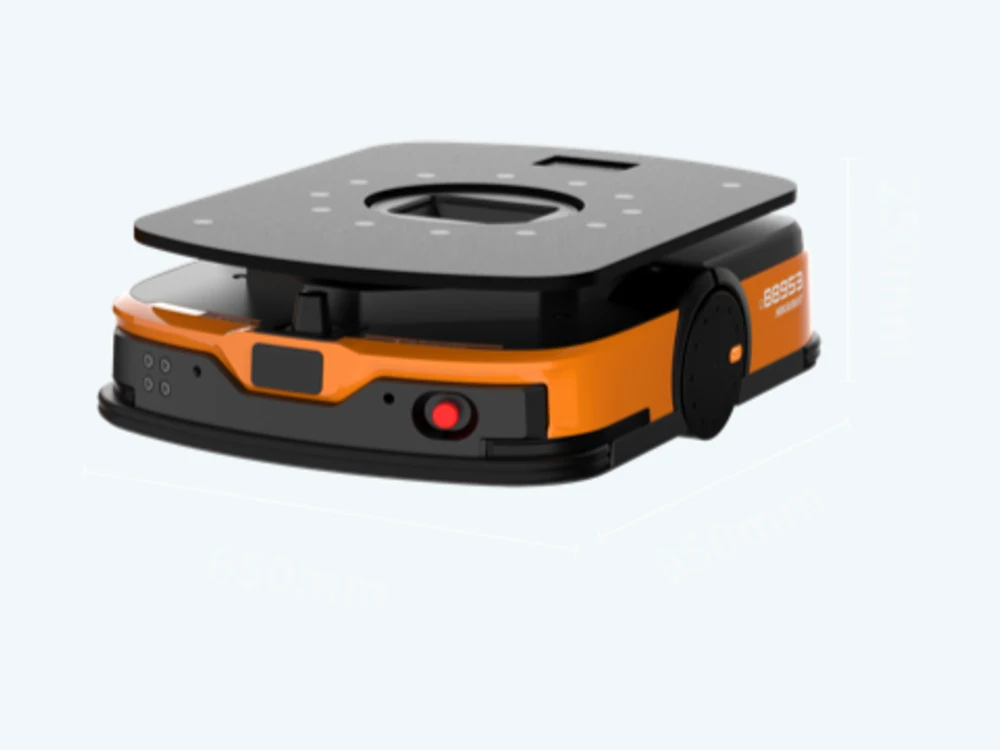
Mid load class; its 250 mm body height fits under standard racks.
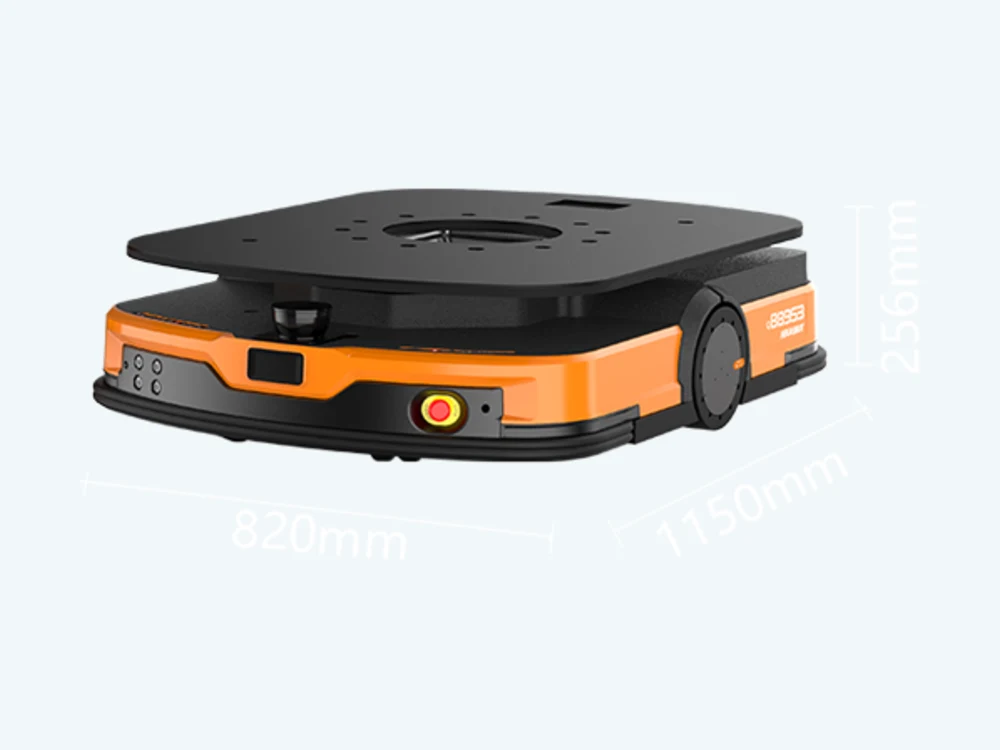
Keeps 2.0 m/s at tonne-level loads for high cycle output.
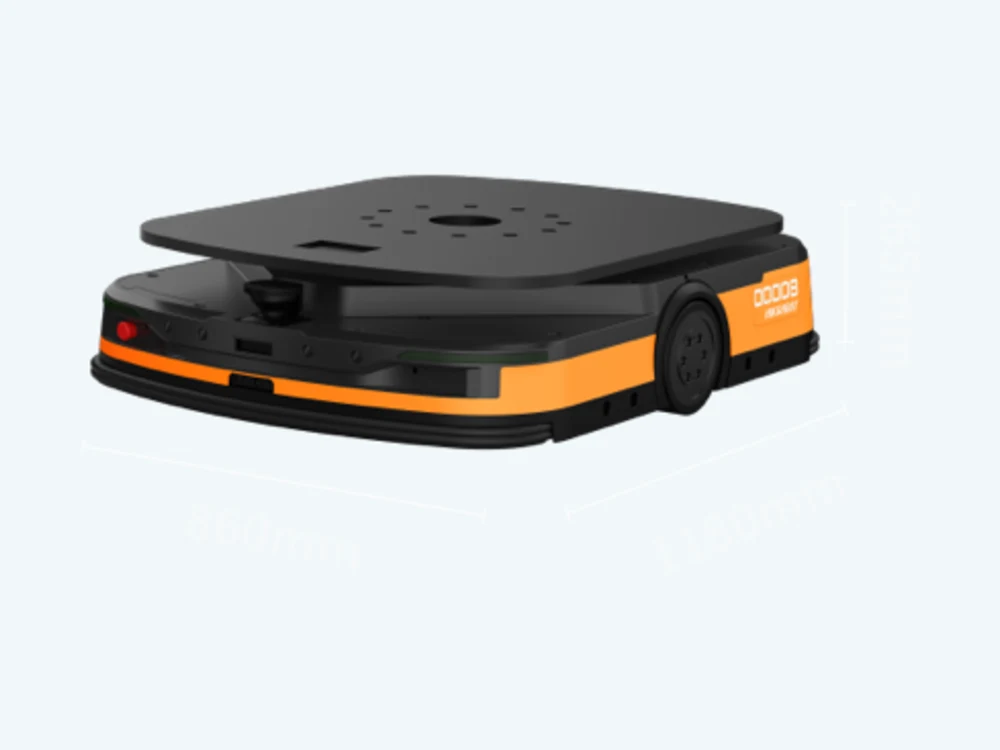
The highest capacity in the series; moves heavy racks and trolleys single-handed.
Values are taken from Hikrobot product documentation; cycle and capacity calculations are made separately for each project.
| Specification | Q2-400D | Q3-600D | Q7-1000E | Q7-1500D |
|---|---|---|---|---|
| Rated load (kg) | 400 | 600 | 1,000 | 1,500 |
| Lifting height (mm) | 60 | 60 | 60 | 60 |
| Navigation | QR code / visual SLAM / laser SLAM | QR code / L-SLAM / V-SLAM | QR code / L-SLAM / V-SLAM | SLAM / QR code |
| Rated speed (m/s) | 2.0 | 2.0 | 2.0 | 1.5 |
| Max. rotation speed (°/s) | 200 | 200 | 200 | 120 |
| Turning diameter (mm) | 820 | 995 | 1200 | 1265 |
| Dimensions L*W*H (mm) | 780*545*300 | 950*650*250 | 1150*820*256 | 1180*860*265 |
| Weight (kg) | 93 | 132 | 185 | 285 |
| Positioning accuracy (mm, °) | ±10, ±1 | ±10, ±1 | ±10, ±1 | ±10 |
| Drive mode | Differential | Differential | Differential | Differential |
| Charging time (h) | 1.5 | 1.5 | 1.5 | ≤2 |
| Operating time (h) | 8 | 8 | 8 | 8 |
The fleet plans its path to the target on its own; when an unexpected obstacle appears in the aisle, it recalculates the route and keeps the flow running. The navigation method is selected according to floor, lighting and racking conditions.
The loaded rack is brought to the picking station so operators work in one place.
Material trolleys are delivered to production stations automatically at planned intervals.
When products and demand change, routes and station layout are reconfigured in software.
Reduced aisle requirements allow more racks within the same footprint.
Customer and facility information has been anonymized to meet confidentiality obligations.
Share load profiles, throughput targets and space constraints so the right architecture can be assessed.
Request a storage and flow analysis Your request is routed directly to the relevant engineering team.
Engineering confidence with Oskon.
Leave your details and our expert engineers will contact you for a preliminary consultation tailored to your needs.