





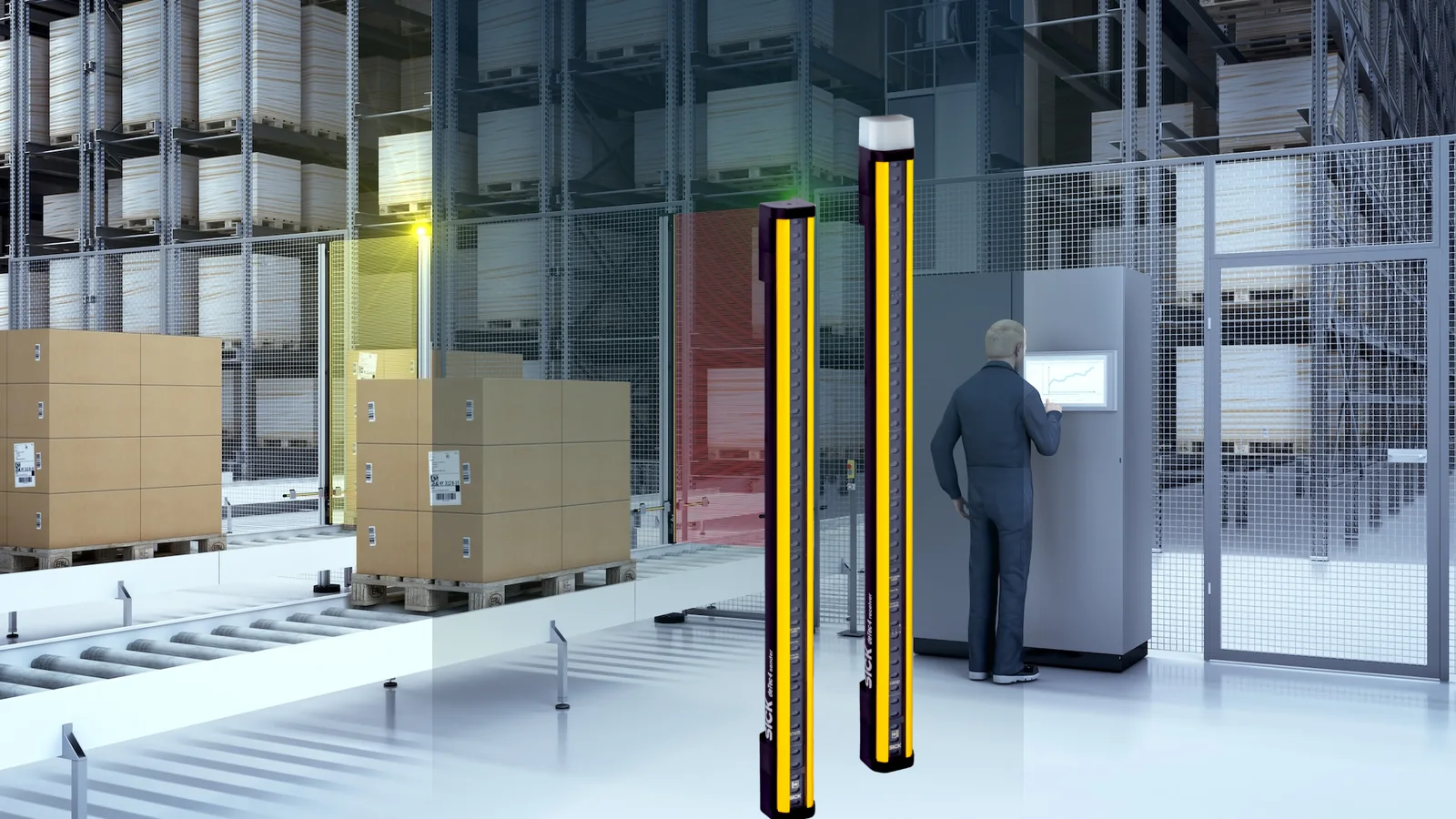
A safe light curtain creates a protective zone consisting of invisible infrared rays between the transmitter and receiver. When a hand, arm, or person enters this zone, the safety outputs switch off, and the machine’s control system initiates stopping of the hazardous movement. The ability to protect frequently accessed areas without the need for a physical door provides significant ergonomic and efficiency benefits in applications such as press feeding, robot cells, packaging, palletizing, and material handling. However, just as the right product is essential, the safe distance, access geometry, and the actual stopping time of the machine also play a crucial role in determining the overall effectiveness of this system.
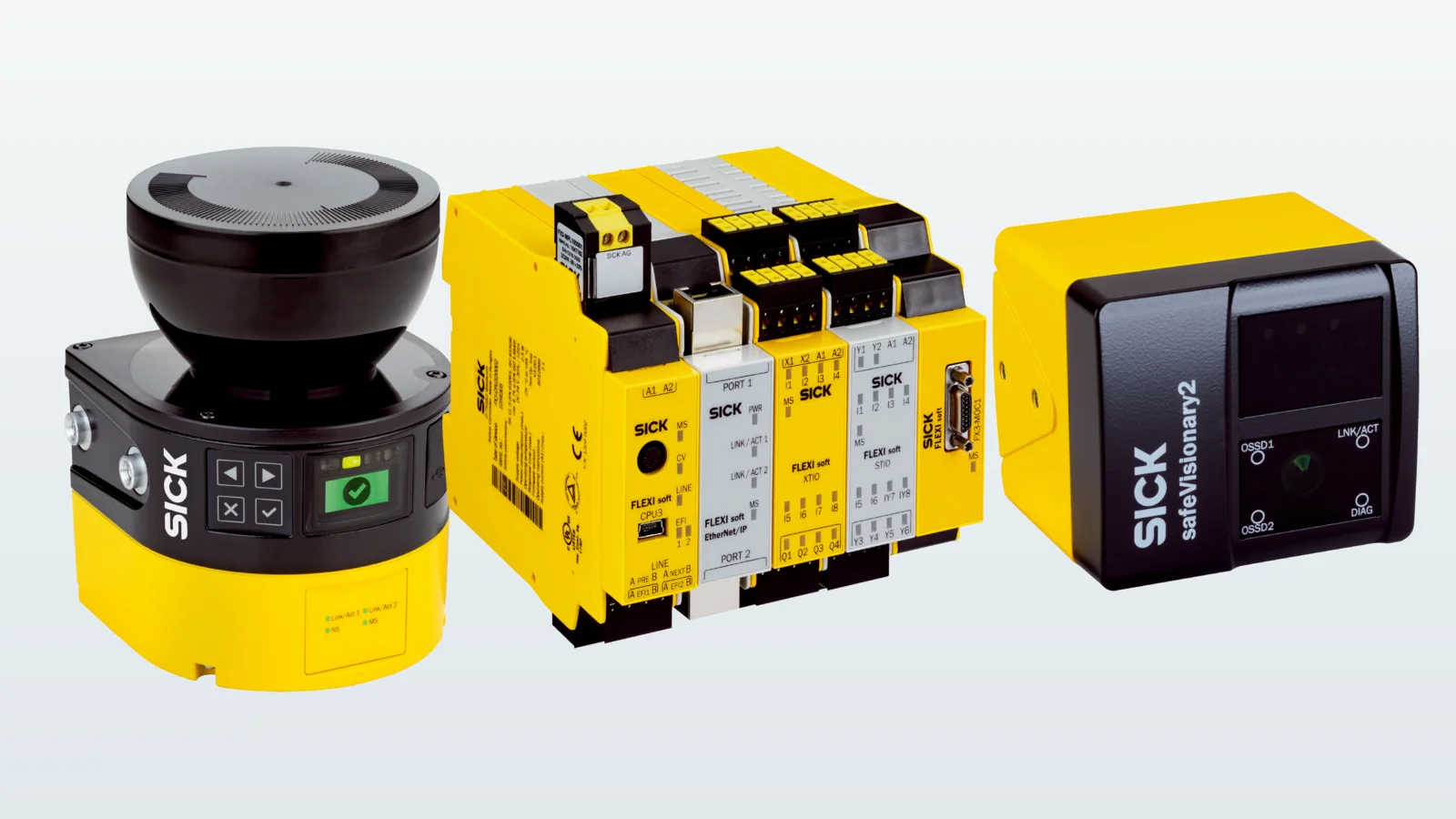
This catalog and selection guide presents the SICK deTec safe light curtain family as a concrete range of products. The deTec2 Core, deTec4 Core, and more advanced deTec4 function packages offer different levels of safety and functionality under the same name. When selecting a model, factors such as resolution, protection zone height, scanning range, response time, connectivity options, and certification requirements must be taken into consideration. The technical specifications of one particular variant should not be applied across the entire family; the final design must be verified in accordance with the latest data sheets, operating instructions, risk assessments, and validation procedures.
Distinguish safety light curtains from automation light grids
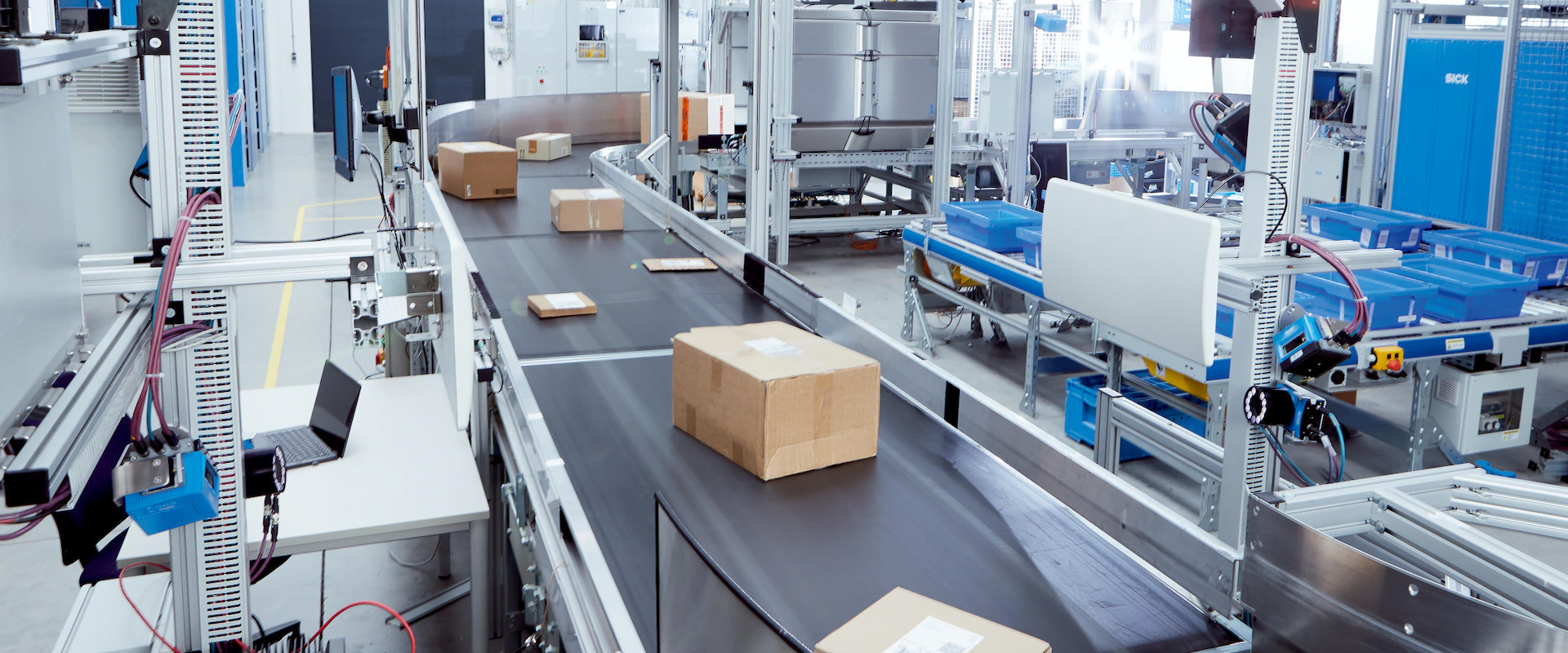
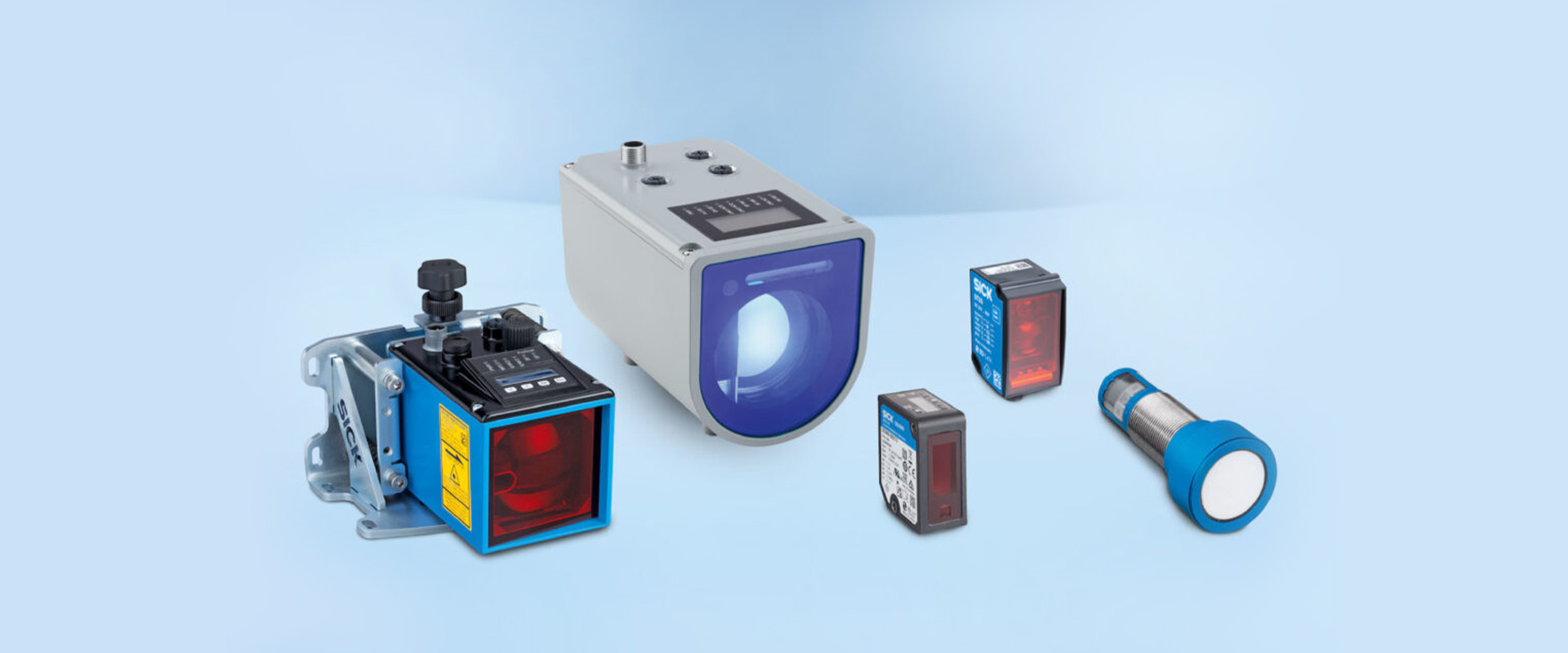
SICK’s official technical blog explains that, although the term “light curtain” is used in a general sense, its product portfolio includes both safety light curtains and automation light grids, each serving distinct purposes. Automation light grids can be used for object measurement, height detection, or monitoring product flow. On the other hand, safety light curtains function as electro-sensitive protective equipment, serving as the detection component of systems that protect people from hazardous machine movements. The high resolution of a standard measuring grid alone does not qualify it as a safety device.
Machine risk assessment begins with identifying the specific event that needs to be protected. Approaching a hazardous point with fingers, reaching with hands or arms, a person entering a confined space, or the automatic transfer of a pallet all require different levels of protection and different layout arrangements. The type of device, its performance level, or the required SIL classification cannot be determined solely based on the machine’s name. Instead, risk parameters such as the severity of the hazard, the likelihood of exposure, and the possibilities for avoidance must be assessed; only then can the target performance of the entire safety system be determined.
The deTec platform: from basic protection to intelligent material flow
SICK offers its deTec families as scalable solutions that not only provide functionality for hazard detection and access control but also enable the separation of people from materials in automated material handling systems. On its latest product page, it highlights the Core function packages—deTec2 Core and deTec4 Core—which are designed to offer cost-effective protection for simple applications. The SP1 and SP2 system sockets in certain deTec4 models allow the activation of features such as ray coding and Smart Box Detection without the need for additional software. The DMM4 and DCM4 expansion modules add additional functionalities, including configurable muting, blanking, and object pattern recognition.
SICK’s official product description for deTec4: Protection zones with heights ranging from 300 to 2,100 mm, resolution options of 14 or 30 mm, Type 4 design, PL e performance level, SIL 3 certification, IP65/IP67 protection levels, and operating temperatures from −30 °C to +55 °C. These specifications apply specifically to the deTec4 model and should not be automatically applied to deTec2 models or custom body variants. The resolution, height, distance, and response time of the selected transmitter-receiver pair must be verified again according to the current configuration settings.
Derive resolution and protective height from access geometry
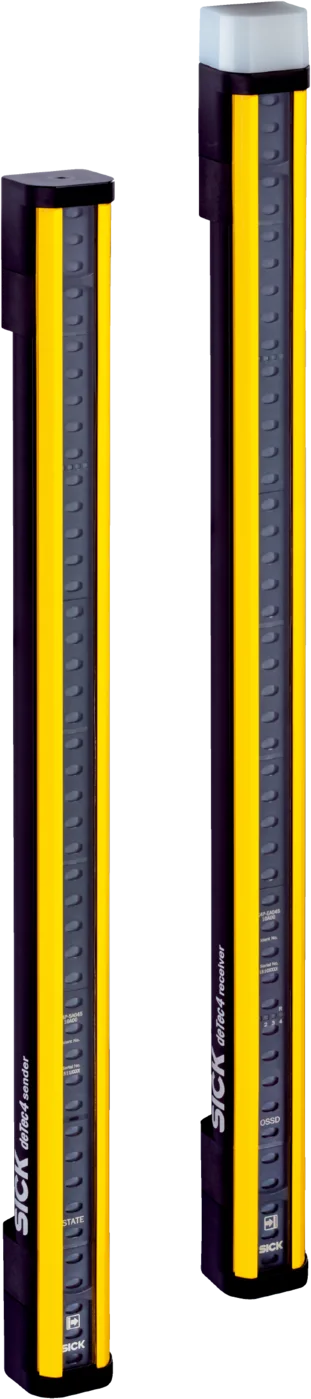
Resolution is related to the smallest object that the protection area can reliably detect. Smaller resolutions can be used for finger protection, while larger resolutions are more appropriate for hand protection. However, a smaller resolution is not necessarily the best choice in all cases; its impact on range, response time, cost, and installation tolerances must be considered together. The selected resolution directly affects the possibility of safe access when calculating the required safety distance.
The height of the protection zone is not merely the nominal dimension of the machine opening. The potential for accessing hazards from below, above, or alongside the curtain is also taken into consideration. The start and end points of the active areas of the transmitter and receiver, as well as the ends of the body and the bracket clearance, are indicated in the drawings. If the use of mirrors or protective columns at wide openings is planned, the resulting loss of optical range, alignment issues, and blind spots are calculated in accordance with the product specifications. It is also verified that reflective machine surfaces do not dangerously reflect the light.
Safety distance: sensor response time alone is insufficient
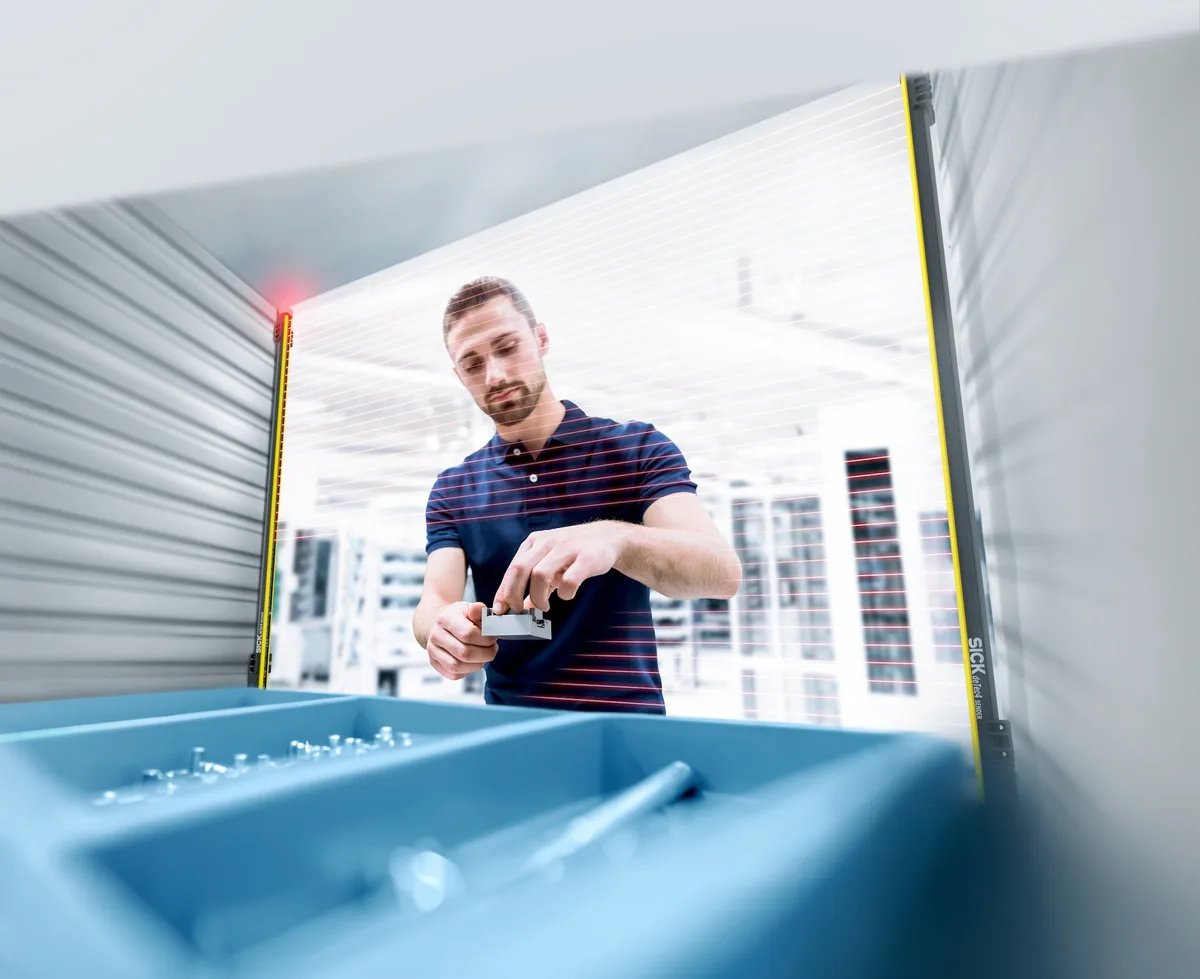
The light curtain must be installed at a distance that ensures the machine can be safely stopped before a person can reach the hazard. When calculating the required distance, factors such as the approaching speed, the additional distance determined by the selected resolution, the response time of the light curtain, the safety controller or relay, the communication system, the output components, and the mechanical stopping time of the machine must all be taken into account. If multiple light curtains are connected in series or options such as beam coding are used, the total response time may vary.
The stopping time of a machine should not be estimated based on catalog data; it must be measured under the worst operating conditions. The highest speed, the heaviest tools or loads, heated brakes, and possible variations in feed parameters can all affect stopping time. Since measured values may change over time due to brake wear, a maintenance and re-measurement schedule should be established. Furthermore, subsequently reducing the safety distance between the light curtain and the potential hazard, adjusting the software settings, or increasing the process speed can render the previously calculated safety measures ineffective.
If a person can pass through the light curtain and remain inside the hazardous area after clearing its beams, provide a restart interlock and manual reset. Locate reset outside the hazardous area with full visibility of that area, and prevent operation from inside. Consider automatic restart only where the risk assessment and applicable standards explicitly permit it.
Muting: use controlled safety functions for material passage
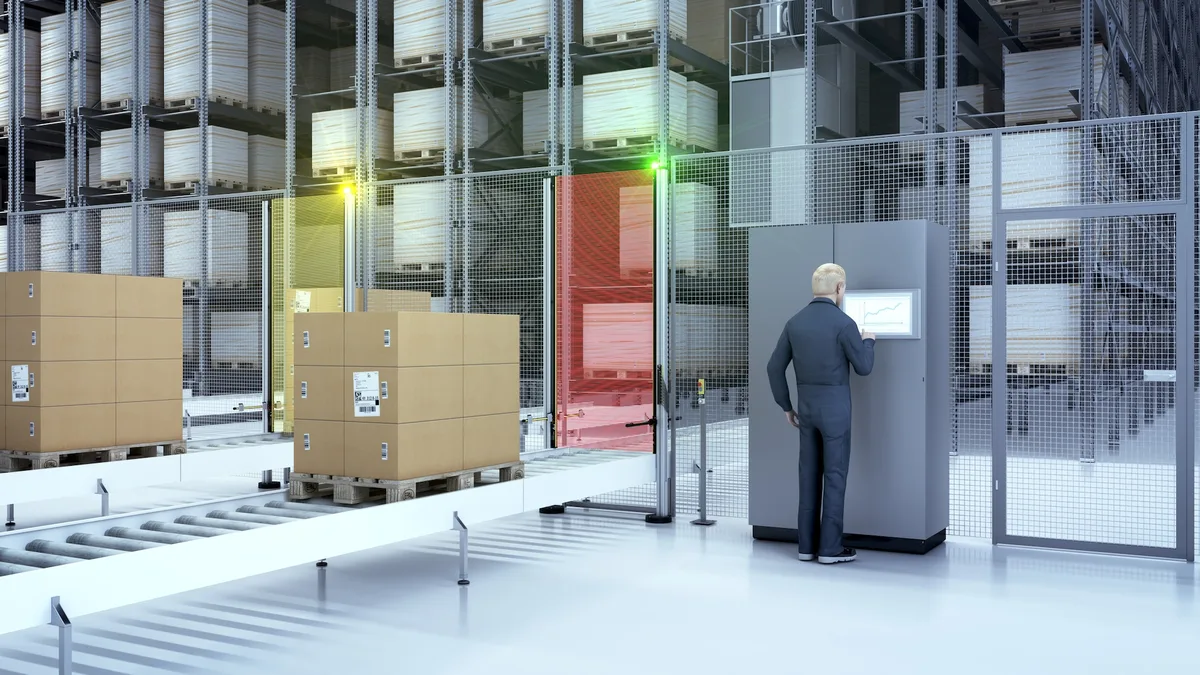
The process of temporarily and controllably disabling the protective function of a light curtain when a pallet or crate passes through it is referred to as “muting.” The proper implementation of muting ensures that the material being transported is separated from any potential human interference, in accordance with the predetermined sensor sequence, direction, timing, and geometric parameters of the system. However, continuously enabling the muting signal via a single bit in a standard PLC, or allowing the sensors to be manually activated easily, can pose safety risks. Muting indicators, time monitoring, and fault responses must be designed according to the applicable standards and risk assessment.
The DMM4 function package on the SICK deTec platform is available in versions with two or four signals for muting purposes, and can be configured on the product page. The suitability of configurations such as X, L, or T depends on whether the material moves in one direction only, in the other direction only, or in both directions. The sensor distances and their arrangement must be calculated based on the minimum and maximum sizes of the loads as well as the conveyor speed. Gaps between loads, hanging packaging, or unevenly distributed loads on the pallets can disrupt the muting sequence.
Blanking, object patterns and Smart Box Detection
Blanking refers to the intentional exclusion, in a defined area of the protection zone, of certain rays of light in a fixed or controlled manner. This can be beneficial for fixtures or materials that continuously pass through the protection zone; however, additional mechanical measures must be taken to ensure that any resulting gaps do not allow unauthorized access. In systems that utilize movable components such as floating blanking, the permissible size of the objects and their impact on resolution must be carefully evaluated.
Smart Box Detection and object pattern recognition, available in the appropriate packages within deTec4, can help to monitor material flows by identifying expected patterns—such as rectangular loads or pallets—within the active protection area. This function does not constitute a general artificial vision system capable of automatically and reliably identifying all types of loads. Instead, the dimensions of the load, the pattern of the light beams, the direction of the conveyor, the spacing between objects, and any potential scenarios of objects overflowing the designated boundaries must all be taken into account. Additionally, scenarios in which people may pass in front of or behind the load must also be validated.
The role of NFC, IO-Link and diagnostic data
The current deTec page lists options that support on-site diagnosis via the SICK Safety Assistant app using NFC, as well as remote diagnosis via IO-Link to process automation data. This information helps to quickly understand alignment quality, the cause of errors, or the need for maintenance. It is possible to use ray data transmitted via IO-Link for process measurement or product inspection; however, the safe shutdown function is ensured through certified safe outputs and control architectures.
The authority to modify safety parameters must be separated from the ability to perform diagnostic checks. The real-time status displayed via phone or engineering software cannot replace physical validation. Parameter and device configuration settings must be stored with version control; the person making the changes, the date, and the reason for the modification must be recorded. When applying changes to a device, it is essential to verify the product code, resolution, height, and compatibility of the system connectors.
| Application | Solution to consider | Critical project check |
|---|---|---|
| Access with fingers or hands at the point of danger | The deTec2 or deTec4 variant with the appropriate resolution. | Required safety performance, resolution, safe distance, and access from above/below. |
| Entry of people into the robot cell | Access protection and restart lock | People remaining inside the area, visibility from reset position, side access, and all hazardous movements |
| Transfer of pallets from the conveyor. | Appropriate muting with DMM4 or a validated intelligent object function | Direction, sensor sequence, time window, load range, and people following material through the opening |
| When a fixed fixture passes through the protected area… | Appropriate blanking function and mechanical closure mechanism. | Access through the remaining opening, effective resolution, and workpiece position |
| Washing or chemical environments | IP69K, HG, or the deTec variant specific to the application. | Housing/front-screen material, chemicals, temperature, and cleaning pressure |
| Explosive environments | The relevant ATEX deTec variant | Zone classification, equipment category, installation, and local regulations |
Harsh environments and special variants
The protection level of standard bodies does not provide adequate protection in environments involving intensive cleaning, aggressive chemicals, or explosive atmospheres. The SICK deTec portfolio includes IP69K-rated bodies suitable for food-safe cleaning areas, HG variants with chemically reinforced glass front screens, and options specifically designed for certain categories of explosive environments. The appropriate suitability must be confirmed by verifying the selected product code, chemical resistance list, regional classification, and installation instructions.
Vibration can disrupt the alignment between the transmitter and receiver due to mechanical impacts and column flexing. In areas requiring extended protection, robust brackets and protective columns may be necessary. The manufacturer’s specifications are taken into consideration regarding factors such as welding sparks, shiny surfaces, other optical devices, and intense ambient light. Lens cleaning is performed using materials that do not cause scratches; any decrease in alignment accuracy can be detected through monitoring.
Commissioning and periodic testing
During the initial commissioning process, the transmitter-receiver alignment, beam coding, serial structure, EDM function, reset settings, muting parameters, and blanking settings are all verified against the electrical schematic. A suitable test probe is moved across all upper, middle, and lower positions within the protection zone, as well as at all accessible points, to confirm that safety outputs switch off and dangerous movements are effectively stopped as expected. When implementing the muting function, various scenarios such as incorrect signal sequences, reverse directions, time delays, missing sensors, and human interference in monitoring the load are tested.
During periodic inspections, the optical surface, brackets, cables, connectors, and the physical boundaries of the protective area are examined. The machine stopping time and the safe distance are re-verified within specified intervals. If the protective guard, mirrors, conveyor systems, or fixtures have been moved, the tests are renewed without delay. All results are recorded along with the date, device identification, measurement method, and the person responsible for the inspection.
Information required for quotations and project planning
- Describe the risk: Specify the type of motion, access direction, operating modes, and the required safety performance levels.
- Measure the opening: Indicate the active protection height, width, mounting clearance, as well as the possibilities for upper/lower/side access.
- Provide the stopping time: Share the shutdown times measured under the worst conditions of speed and load, as well as the response times of the control system.
- Describe the material flow process: Specify the product dimensions, speed, direction, clearance, pallet protrusion, and the scenario for separating humans from materials.
- Select functions: Specify reset, EDM, beam coding, cascading, muting, blanking, IO-Link, and diagnostics requirements.
- Classify the environment: Provide information on temperature, water, chemicals, hygiene, explosive areas, vibration, and ambient light.
- Describe the acceptance Plan: Agree on the test rod, stopping-time measurement, fault scenarios, and periodic inspection records.
Oskon designs light curtains not merely as sensors that simply cover an opening, but as safety functions that are validated in conjunction with the measured operating behavior of the machine. A proper solution requires the right type of device, appropriate resolution, height, and functional capabilities, as well as areas that are not accessible, a safe reset mechanism, material transitions that resist manipulation, and well-documented testing procedures. This guide does not replace a risk assessment or a conformity declaration; the availability of the product is also confirmed at the time of the offer.
Official technical resources
- SICK – the deTec range of safe light curtains
- SICK – deTec4: Safety features and product specifications
- SICK – Safe light curtains and automated light grids
- SICK – Safe material flow and muting applications
- SICK – DMM4 system socket and expansion module
- SICK – Instruction Manual for deTec4 Safety Light Curtains
Within a product family, the device type, resolution, protection range, response time, functions, and environmental resistance vary depending on the specific order code. The safe distance and all safety functions must be verified in accordance with current regulations and site-specific risk assessments.