







Driven by one of humanity's most fundamental needs, the food industry operates across an exceptionally broad range of production activities. It has been identified as one of the seven most strategically advantageous global industries of the twenty-first century. In Türkiye, food production is a major component of the economy, with food and beverage activities accounting for approximately 20% of gross domestic product.
Türkiye is a world leader in producing and processing a number of high-demand products, including hazelnuts, apricots, figs, cherries, quinces and raisins. Food production, however, extends far beyond growing and harvesting crops. Once grown, food must be processed; the industry also encompasses preparation for consumption, packaging and marketing.
Supports product safety through cleanable equipment and controlled processes.
Standardises dosing, mixing and production steps at batch level.
Records production data from raw-material receipt through packaging.
Once food is ready for direct consumption, the next industrial stage is distribution. Distributors are responsible for bringing packaged goods to wholesalers and retailers, and the transport required for distribution is also part of the food sector. Work does not end when the product reaches the consumer. Research and development continue to improve product quality, driving constant technological development, industry growth and the integration of automation into production processes.
For an industry that grows year after year, controlling or reducing operating costs in food-processing plants is more important than ever. Compromising product quality is not an acceptable route to lower cost. Like other process industries, food manufacturers therefore use factory automation to improve efficiency across the plant. Automation is present throughout modern food production, from processing to packaging. It also helps manufacturers become more agile and responsive to change: while people often require retraining for new systems, digital automation can be reconfigured more readily for new production objectives.
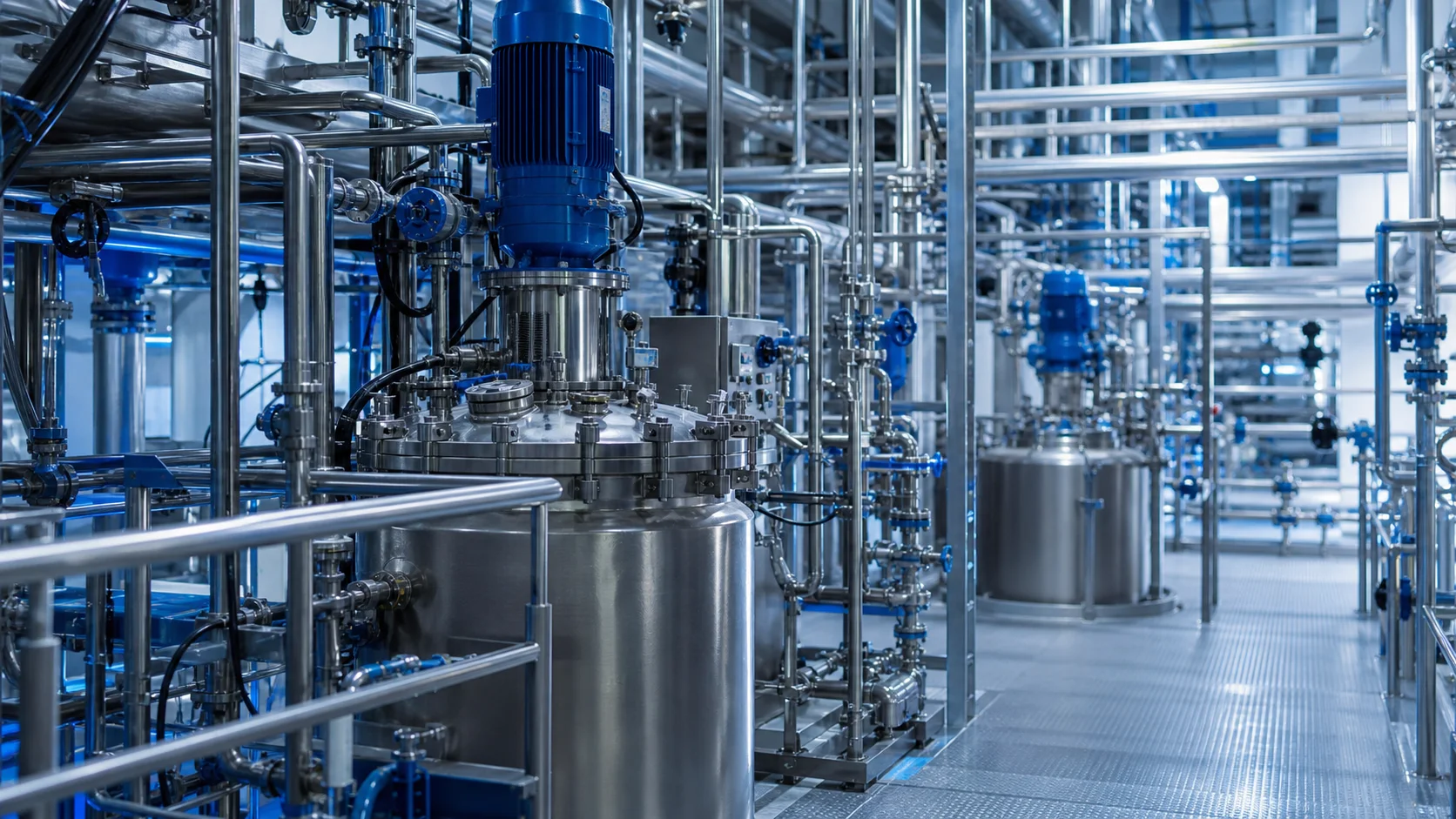
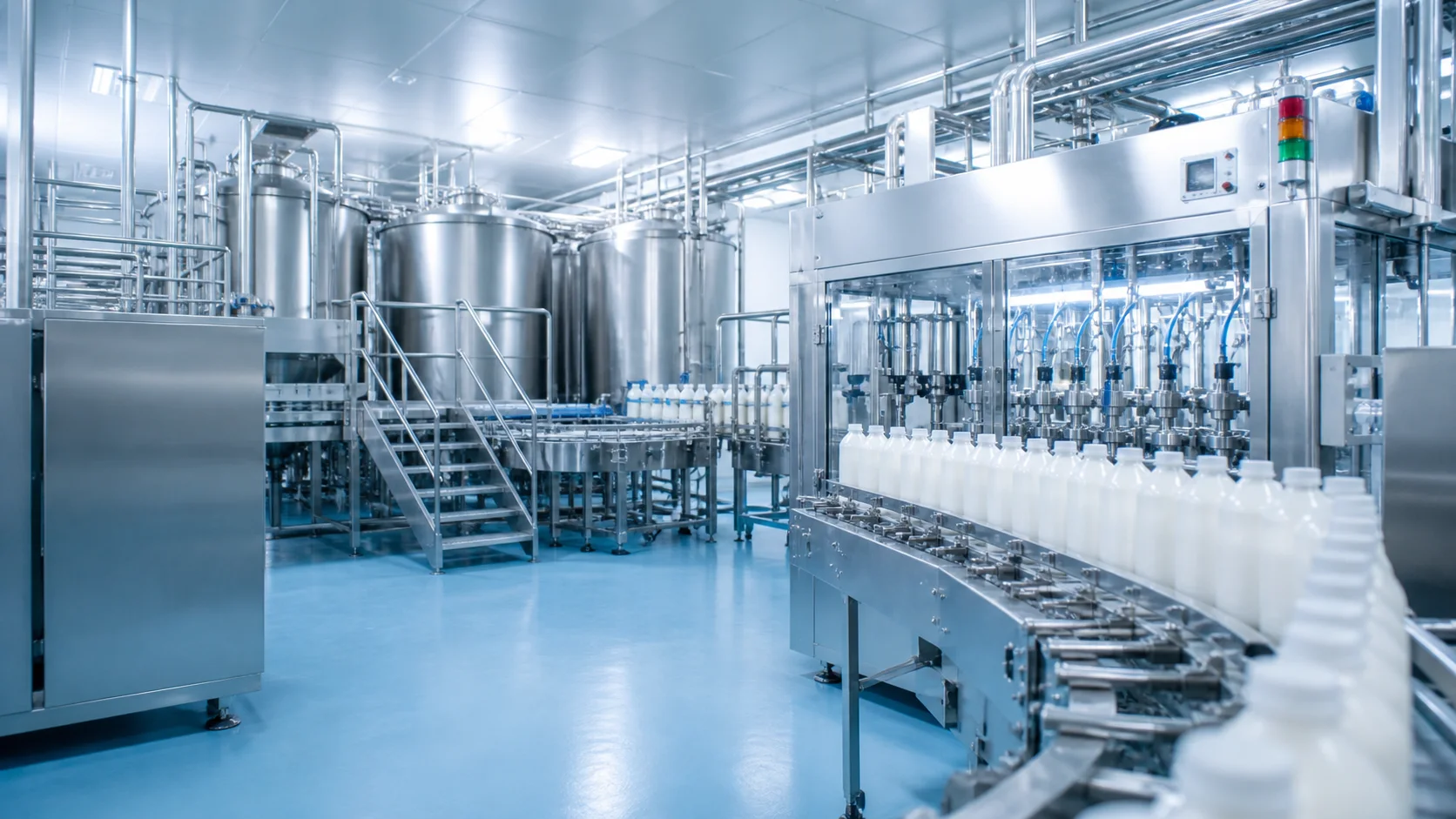
A modern food-processing and packaging plant may contain automated ovens, cutting and forming machines, sorting equipment, mixers and blenders, filling and packaging equipment, highly automated machinery and numerous robots. Automation is now essential for meeting quality-control requirements, production-speed targets, labour constraints and profitability objectives.
Oskon Automation provides food-industry automation support for:
- Fruit-juice plants
- Milk-processing systems
- Sterilisers
- Homogenisers
Oskon Automation also has strong food-industry references including Ülker, Della Gıda (ColaTurca) and Kraft.