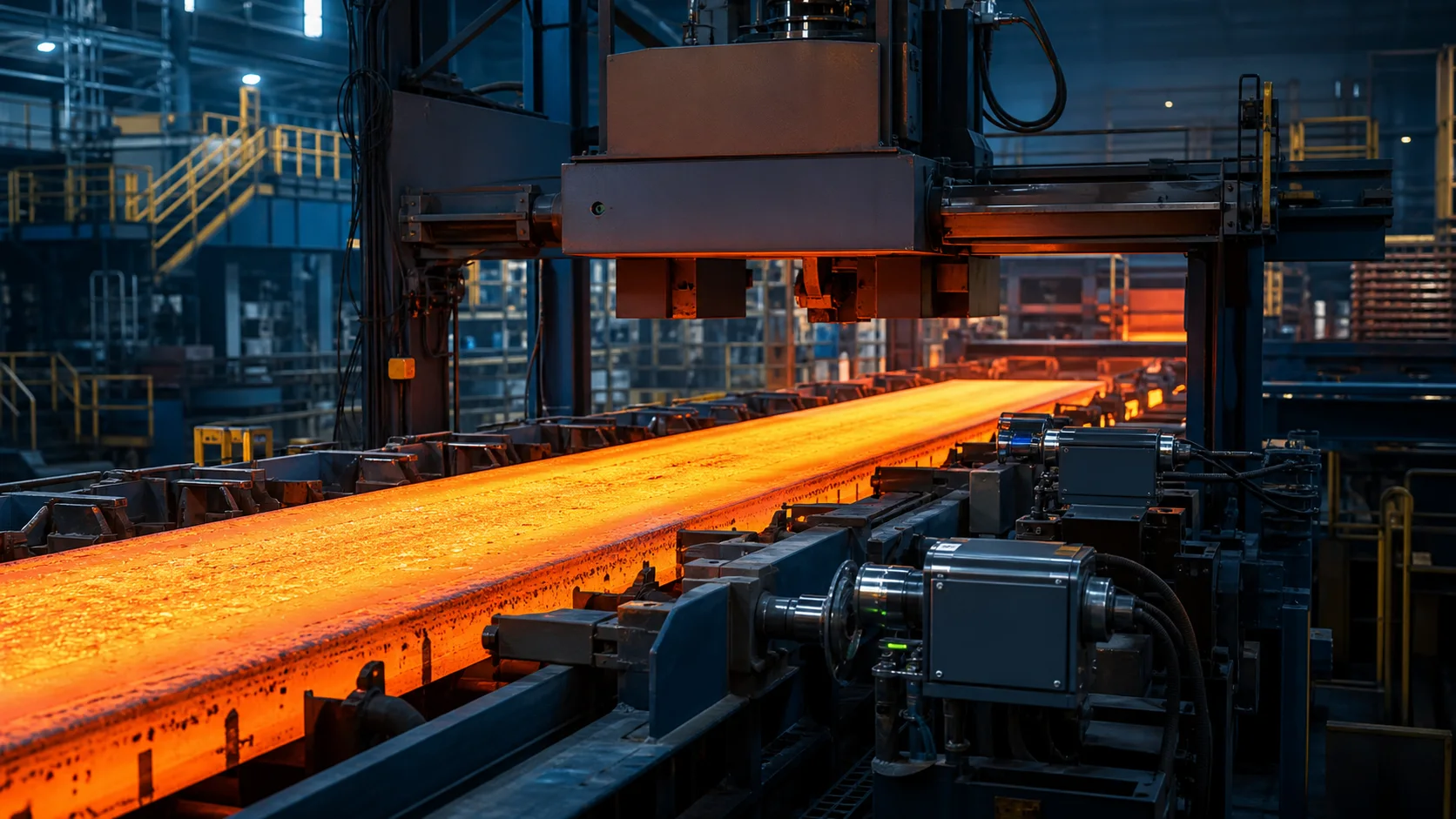






Visibility and access limitations
An operator cannot see the load, route and surrounding movements equally clearly from every position. A shared field view built with sensors reduces blind spots.
We eliminate operator dependency in critical handling operations by combining positioning, anti-sway motion control, collision avoidance and task management within one architecture.
Explore the solution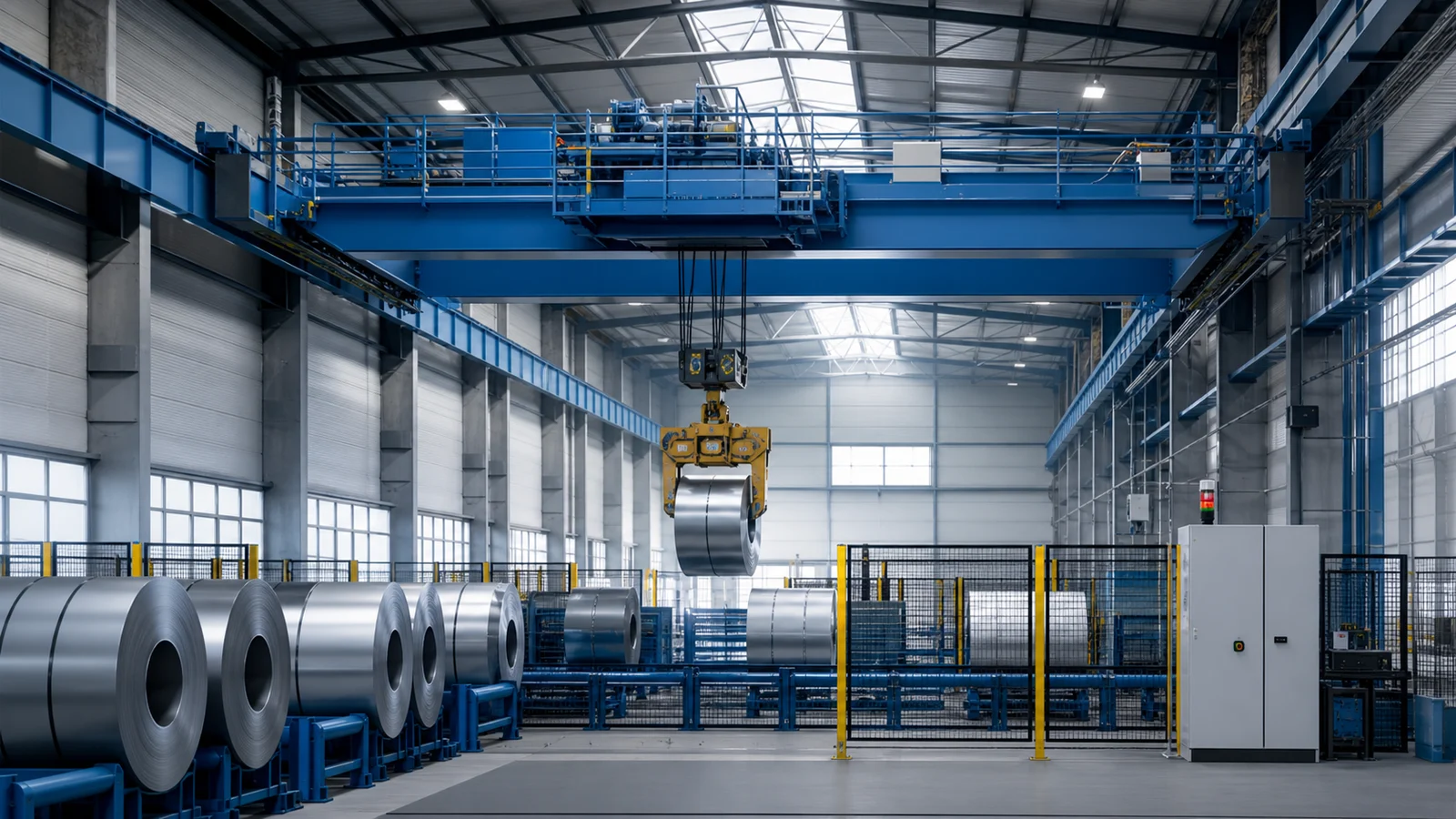
An operator cannot see the load, route and surrounding movements equally clearly from every position. A shared field view built with sensors reduces blind spots.
Cycle time increases when load characteristics and motion profiles are not considered. Anti-sway algorithms stabilise approach and placement movements.
Performance varies between operators during intensive shifts, harsh conditions and repetitive tasks. Automatic task execution delivers consistent cycles.
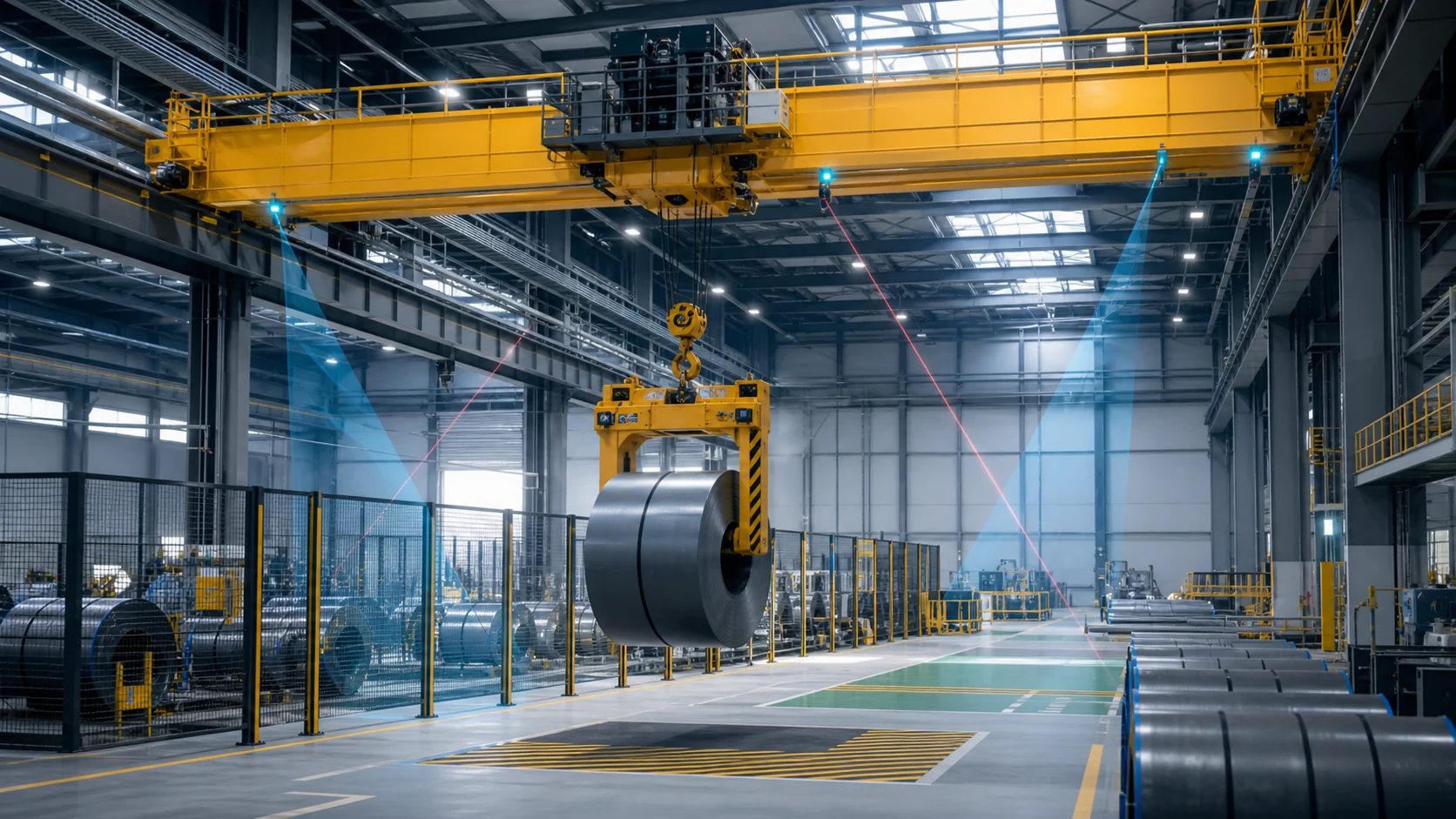
The unmanned crane solution receives the production order, selects suitable equipment and route, checks safety conditions and transports the load to its destination. Every step is verified using position, weight, speed and field-status data.
Control layers do not operate in isolation. The host-system task is executed with field safety and motion control in one verifiable flow.
Source, destination, load type and priority are received.
→Travel corridor, restricted areas and equipment status are checked.
→Bridge, trolley and hoist axes are controlled according to load behaviour.
→Target tolerance is verified, the load released and the task recorded.
Mechanical, electrical, automation and software layers are engineered together, from modernising an existing crane to delivering a new installation.
Data from laser distance sensors, encoders, cameras and field sensors is combined in a common coordinate system.
Acceleration and deceleration profiles adapt to the load while bridge, trolley and hoist axes operate synchronously.
Safe speed, limits, load, restricted zones and crane separation are monitored throughout the cycle.
Priority, task sequence, traffic and waiting points for multiple cranes are managed centrally.
Live position, active tasks, alarms, manual intervention and maintenance information are displayed by role.
Bidirectional data exchange with MES, ERP, WMS and production lines uses standard protocols.
Rather than a simple sensor list, a layered safety scenario defines how every zone must behave.
Planned route and safe passage boundaries
Separation of personnel, machinery and process areas
Controlled safe state when an obstacle or data loss occurs
Source, destination, load type and priority are received from the host system.
Route, equipment and safety-zone availability are verified.
The crane enters the low-speed zone and begins precision positioning.
Engagement, weight and lifting conditions are checked.
The route is completed through synchronous axes and anti-sway control.
The target position is verified, the load released and the task reported.
Automatic handling and stacking of coils, slabs, billets and finished products.
Grab-crane tasks for bunker feeding, mixing and process continuity.
Safe, coordinated transport of heavy components along defined routes.
Automated material flow between lines, storage areas and dispatch points.
Customer and facility information has been anonymized to meet confidentiality obligations.
Share the load, route, positioning and safety requirements with the motion engineering team.
Request an application assessment Your request is routed directly to the relevant engineering team.
Engineering confidence with Oskon.
Leave your details and our expert engineers will contact you for a preliminary consultation tailored to your needs.