





Select load cells for tank, hopper and dosing applications together with the mechanical connections, measurement range and recipe requirements. Reliable weighing depends on more than electronic resolution.
Distinguish the measurement tasks from the outset
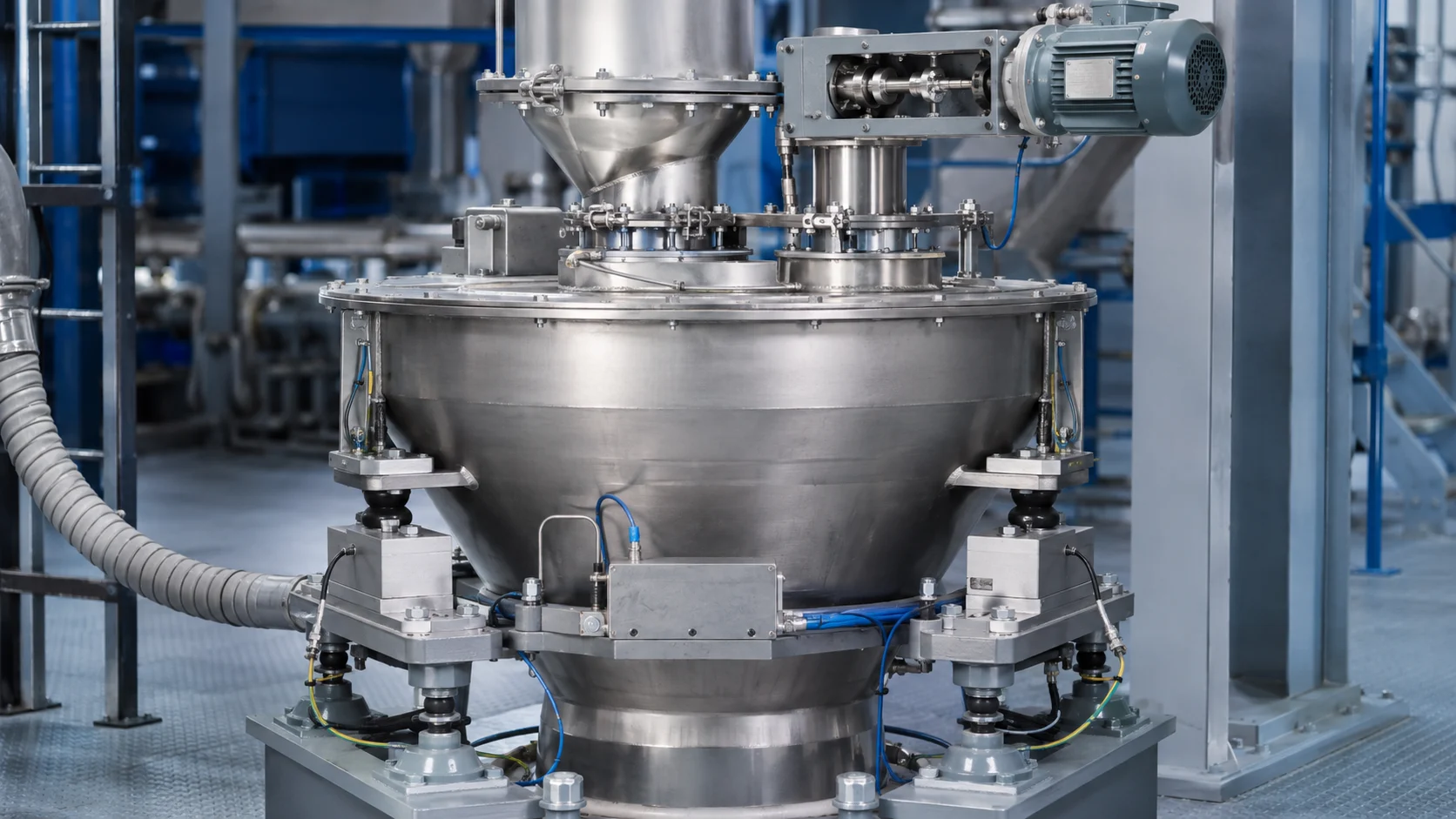
Inventory tracking, raw material dosing, and final product inspection are different types of weighing tasks. Two systems with the same capacity may not have the same required accuracy or response time. Siemens’ process weighing solutions also cover various applications such as tanks, hoppers, and platforms. The specifications must clearly state the total load, the minimum measurable increment, the cycle time, and the environmental conditions.
Check the mechanical force paths
Pipes, cables, and supports attached to the object being weighed can generate additional forces that affect the measurement results. The proper transfer of the load to the load cells, as well as the management of lateral forces and overload conditions, are critical aspects of the mechanical design. Selecting the capacity of the load cells based solely on the weight of the product is insufficient; the weight of the container and accompanying equipment must also be taken into account. The installation layout must comply with the manufacturer’s instructions for use.
Distinguish tare from true zero
Tare adjustment is the process of removing the existing load from the displayed value; it does not address any mechanical issues or the reasons for accumulated product. The conditions and authorities for performing tare adjustments must be clearly defined. Unexpected zero shifts should be investigated as part of routine maintenance. After product replacement or cleaning, the initial state of the weighing process must be verified. Automatic tare adjustment, if performed under inappropriate conditions, may conceal the error.
Account for residual flow at the end of dosing
Material still falling after a valve or feeder closes can affect the final quantity. Adjust the feeding approach through actual trials and material behaviour. Design coarse and fine feeding stages according to the equipment. Out-of-tolerance results follow approved process logic for additional feeding, holding or a quality decision; automatic correction must not continue without limits.

Match data to the recipe and lot
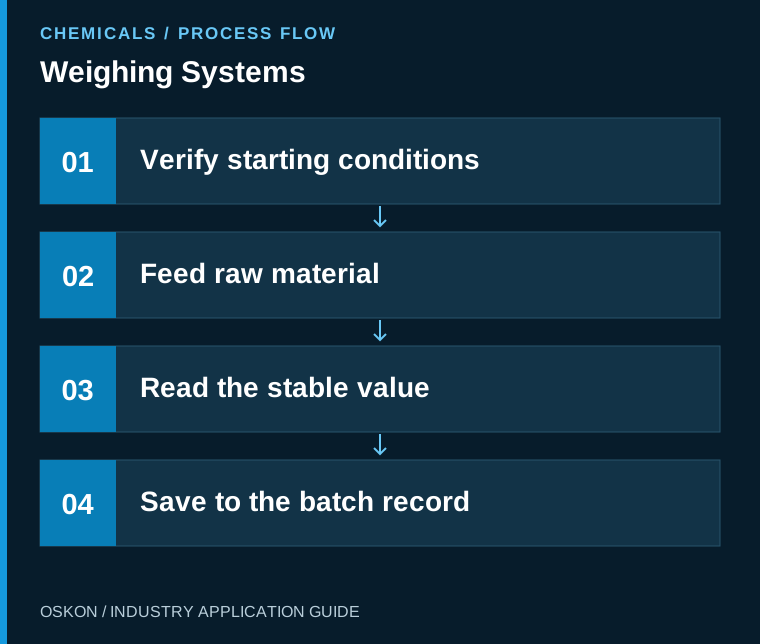
Keep the target quantity, actual quantity, weighing status and material lot in the same batch record. Distinguish unstable measurements, sensor faults and actual quantity deviations. Transferring only the final total to the higher-level system may be insufficient for dosing investigations. Agree the required level of detail with the production and quality teams.
Acceptance testing and periodic verification
The calibration and verification methods are planned according to the purpose of their application. Different load points, repeatability, and actual feeding cycles are taken into consideration. During the testing, the pipe connections and auxiliary equipment must be in normal operating condition. It is determined which inspections need to be repeated after maintenance. If the system is to be used for commercial purposes where measurement accuracy is required, the relevant compliance requirements are also assessed.
Key information to monitor in the automation system
| Control point | Monitored information |
|---|---|
| Net weight | Product quantity calculated from gross weight and tare |
| Measurement status | Stability, range and device status |
| Dosing deviation | Difference between target and actual quantity |
Three questions to ask at the start of the project
- Has the effect of pipe connections on weighing been checked?
- Are automatic tare conditions defined?
- Has end-of-dose behaviour been measured using the actual material?
Explore related applications
Explore related processes in Silo Areas and Tank Farms and Filling and Packaging Systems. Browse all Chemicals articles or visit Chemicals solutions.