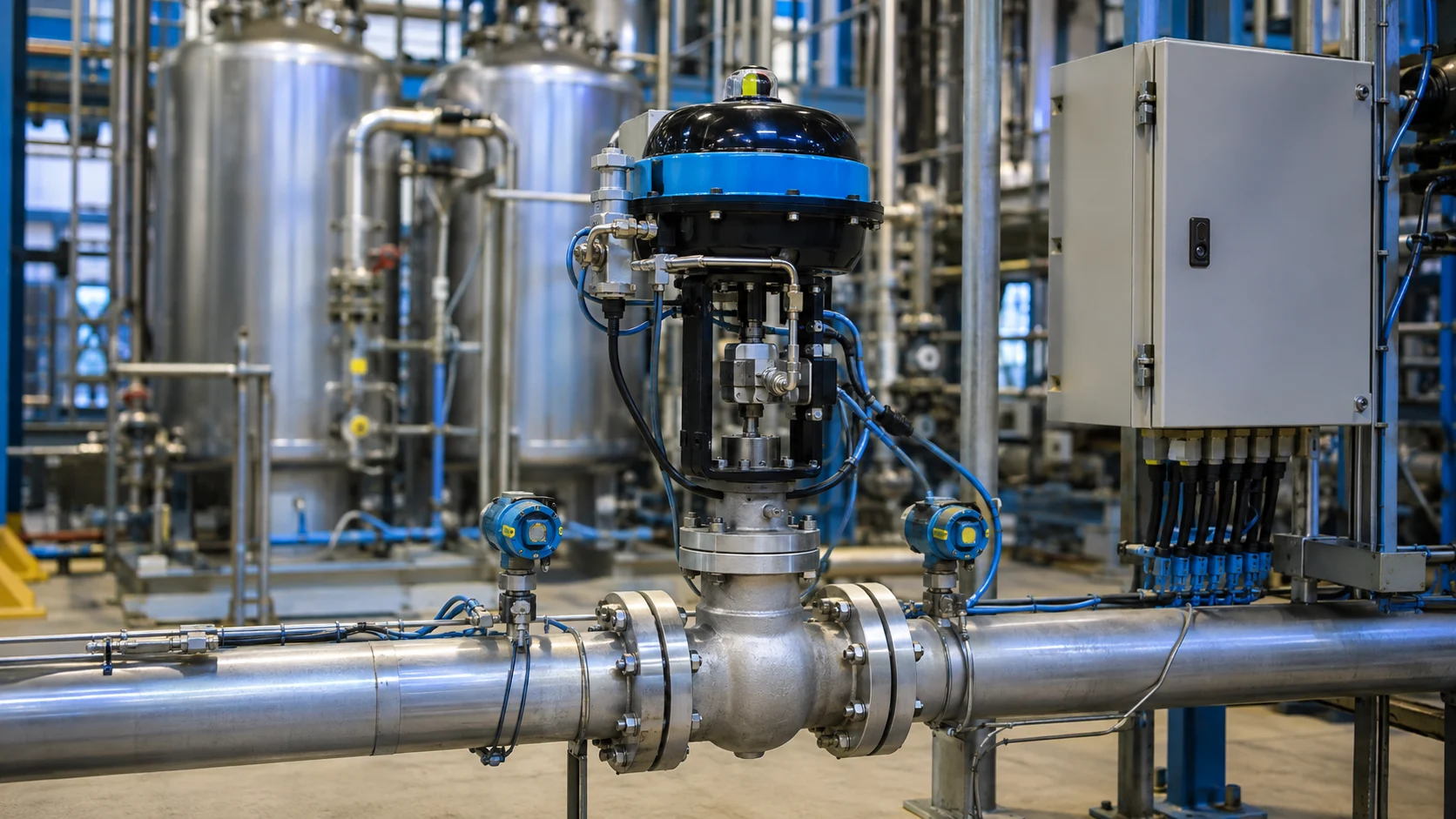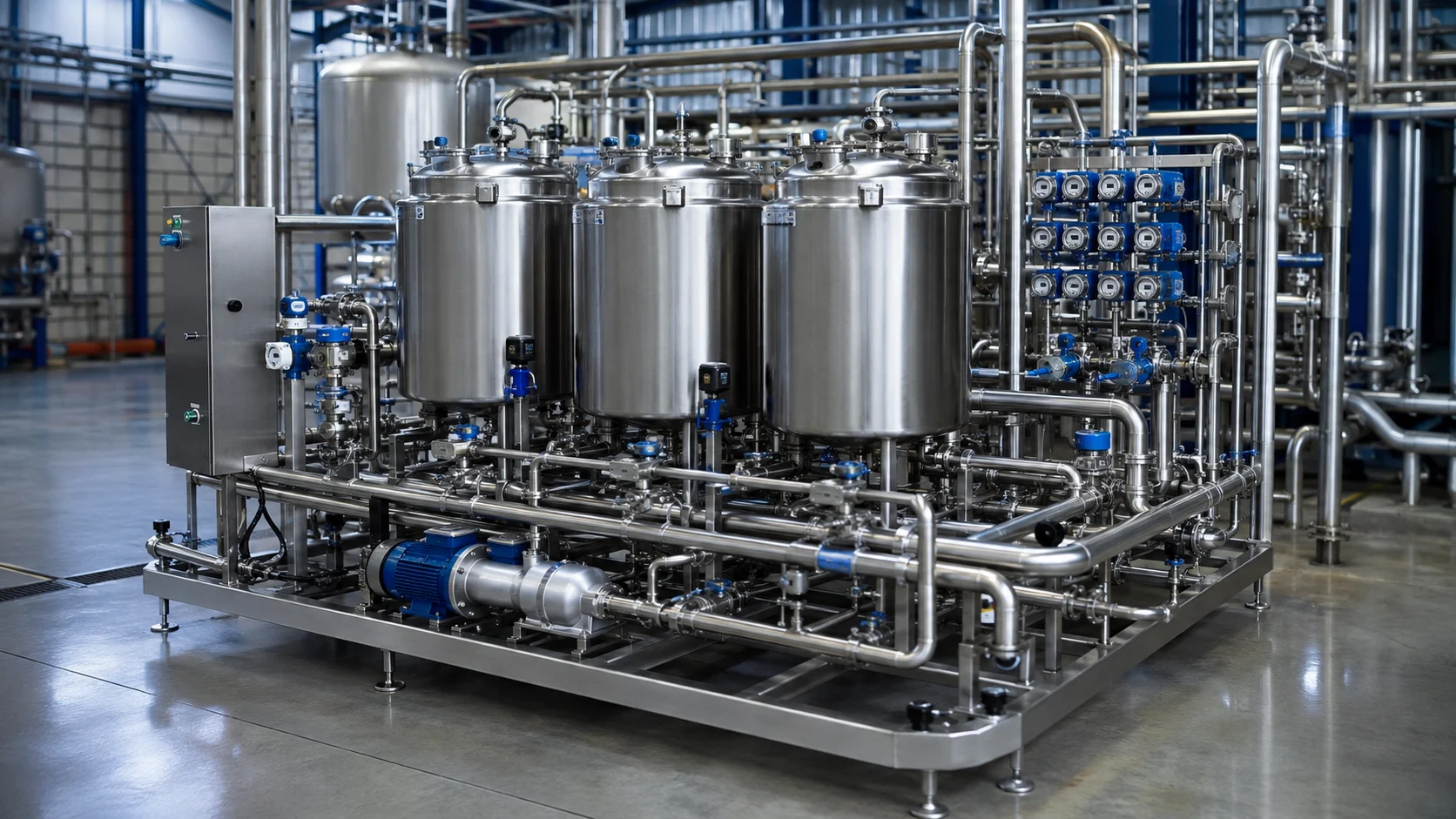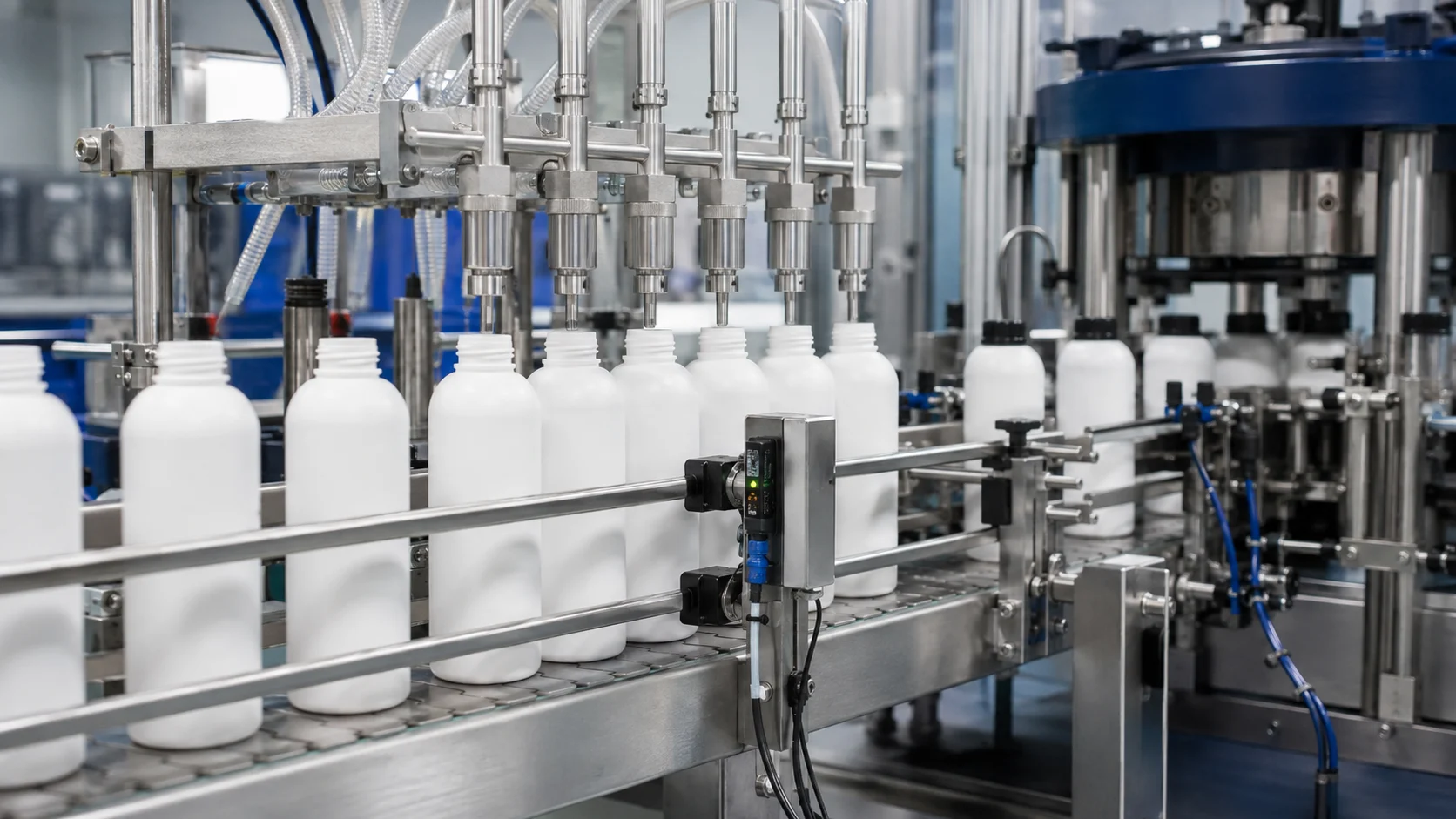






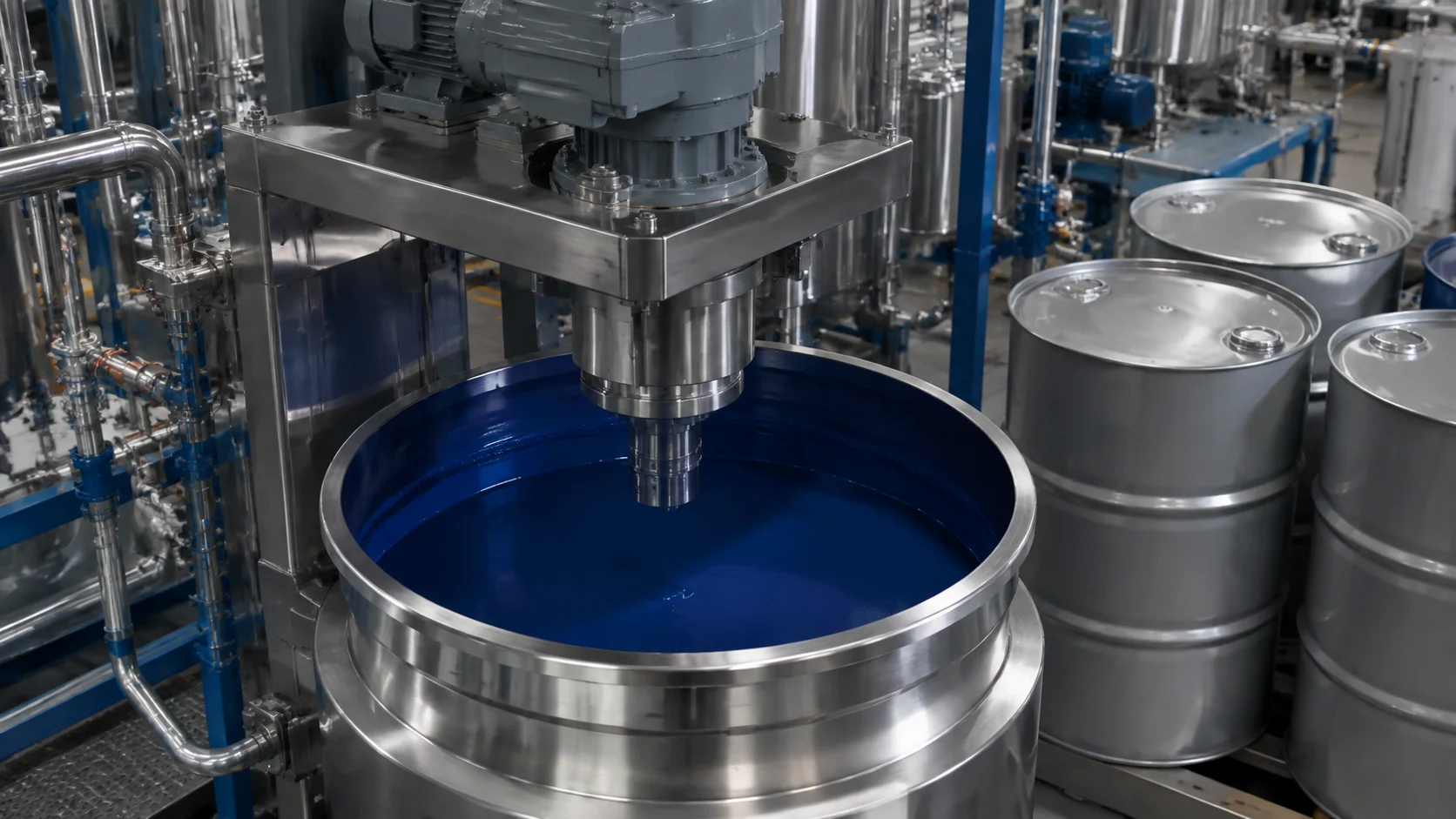
Track raw material preparation, dispersion, final adjustment and filling by batch in paint production. Use measurements and sample results to assess the relationship between mixing time and product quality.
Build the product flow around the recipe
The paint production process varies depending on the product’s formulation and desired properties. Pre-mixing, dispersion, grinding (if required), final adjustment, and filtration can all be carried out using different equipment. Instead of imposing a fixed machine sequence for every product, it is essential to follow an approved process flow.
Raw material identity establishes the mixture's history
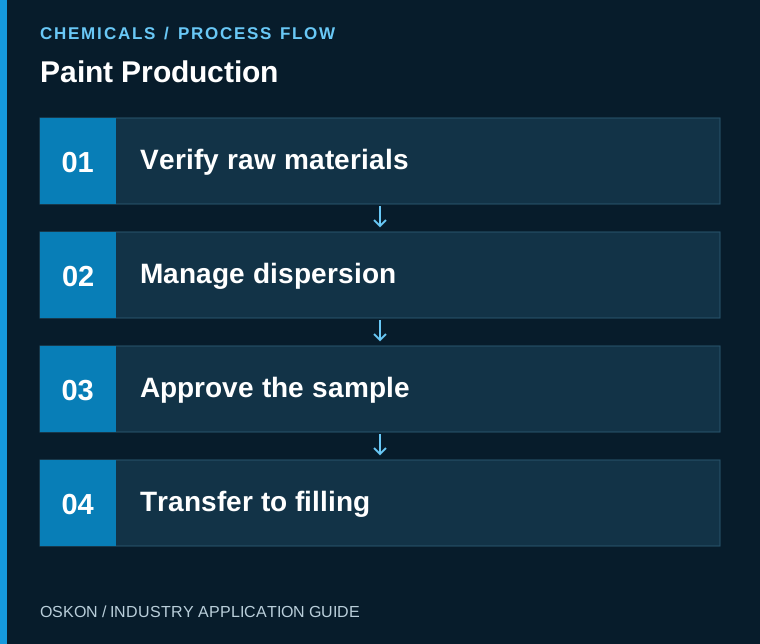
Link pigment, binder and other component lots to the production batch. Keep weighing targets and actual quantities separate. Materials the operator adds from packages require identity verification and quantity records. Do not assume an automatic corrective action when an incorrect raw material is detected; the batch status must support the relevant quality and process assessment.
Monitor dispersion using equipment data
Depending on the project requirements, information such as the operating time, speed, motor load, and product temperature of mixers or dispersion equipment can be recorded. These data help to assess the repeatability of the process. However, quality characteristics such as target fineness or color must also be verified using appropriate control methods. A motor current threshold should not be used as a universal quality indicator for all recipes.
Manage final adjustments and sampling cycles
Sample collection, waiting for laboratory results, and applying approved adjustments should be explicit steps in the production process. Each adjustment must be recorded separately from the previous recipe settings. The report should clearly indicate which processing history makes the final product suitable for use. If a batch awaiting sample results is listed in the same status as a completed batch, there is a risk of incorrect filling or shipment.
Plan transfer and cleaning together
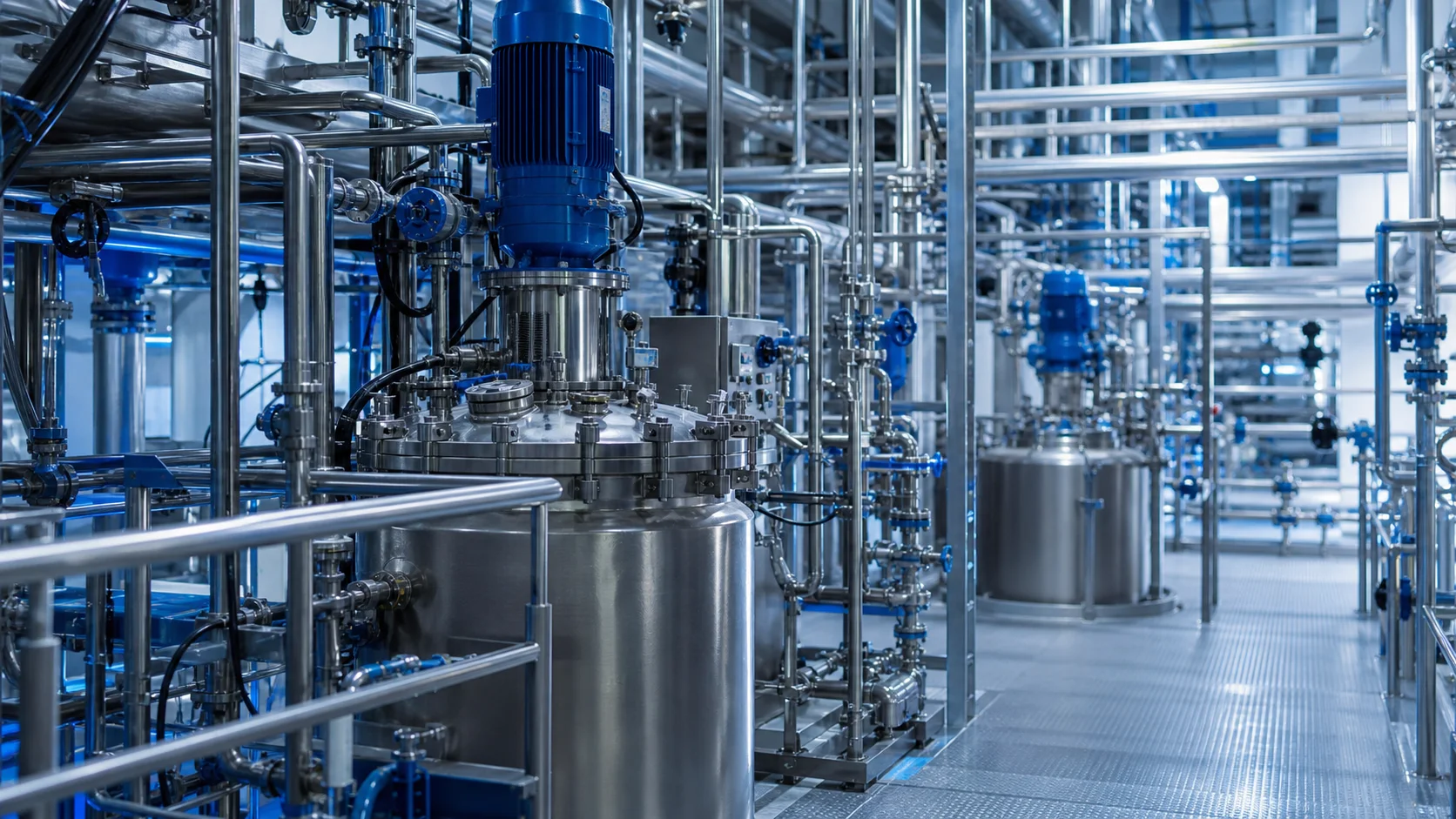
Product compatibility is assessed between tanks, pipelines, and filling equipment. The required cleaning method in the event of a color or product change is confirmed based on the materials used. The position of valves and the preparation of the target tank can be part of the approval process for transfer operations. In applications involving solvents or flammable dust, protective measures are determined by expert teams in accordance with material properties and risk assessments.
Acceptance data must represent the product family
Represent low- and high-viscosity products, colour changeovers and different batch volumes in the acceptance plan. Examine actual quantities, process trends and quality results together. Test sensor faults, missing lot information and incomplete transfers. Verification also covers retrieving production reports from the archive and viewing the recipe version.
Key information to monitor in the automation system
| Control point | Monitored information |
|---|---|
| Raw material lot | History of the components that make up the batch |
| Process trends | Time, speed, load and selected temperature measurements |
| Laboratory result | Final adjustment and quality approval |
Three questions to ask at the start of the project
- Are corrective additions recorded separately?
- Are batches awaiting quality approval excluded from filling?
- Is cleaning status monitored during colour changeovers?
Explore related applications
Explore related processes in Detergent Production Plants and Gel Production Processes. Browse all Chemicals articles or visit Chemicals solutions.