





Consider surface preparation together with extraction, filter monitoring, operator workflow and quality inspection in sanding booths. Consistent paint quality starts with traceability during preparation.
Make surface preparation a measurable process
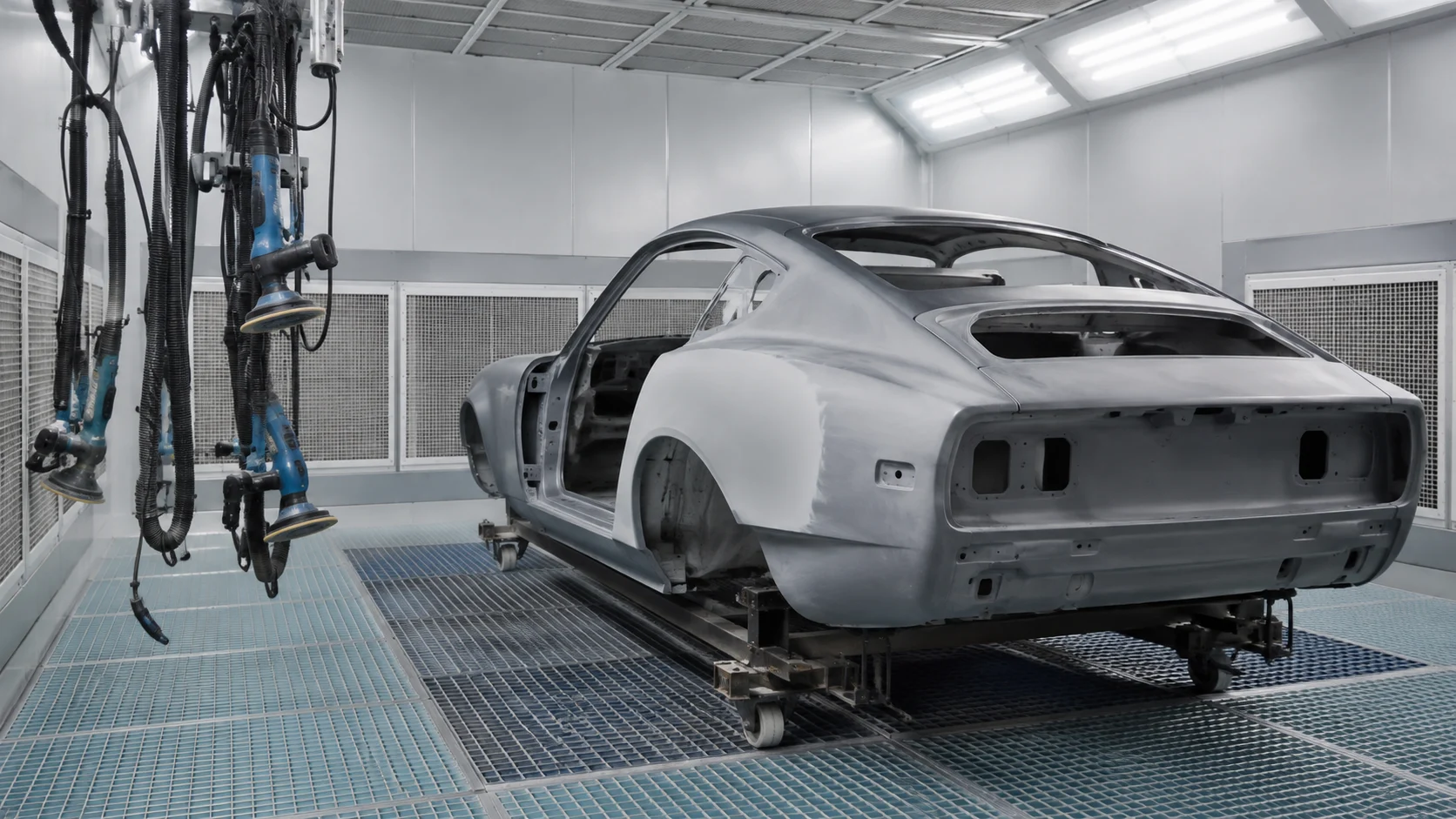
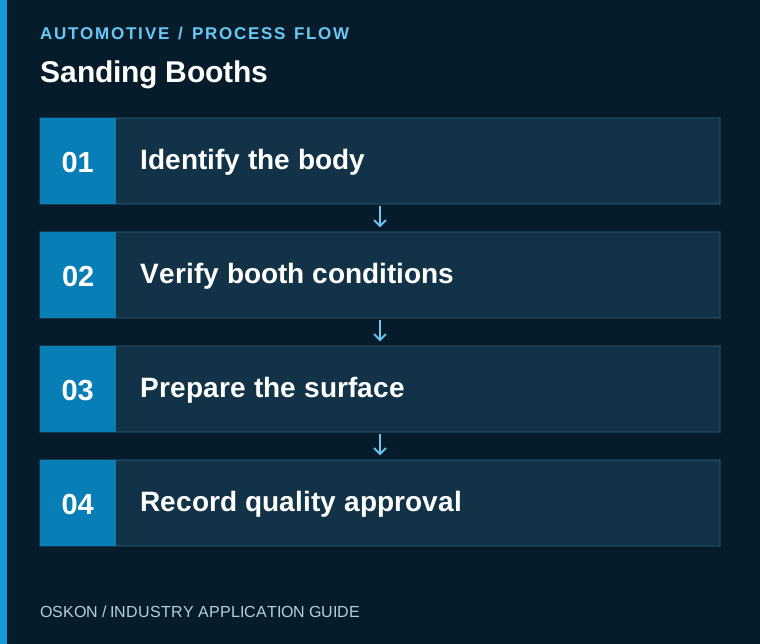
Sanding is a critical step in preparing a body for its next surface treatment. Booth design involves more than enclosing the work area. Examine the surface being processed, tools, dust-generation points and operator movement together. Where part variety is high, assess access platforms and tool arrangements for every model. Support the preparation standard with approved surface samples.
Determine extraction requirements from actual operating conditions
The capture of dust near its source, the air circulation within the enclosure, and the design of the filtration system are all considered together. The fact that the fan is running does not necessarily indicate sufficient suction. By monitoring the flow rate or pressure at appropriate measurement points, it is possible to determine whether the system is operating under the desired conditions. The required amount of air is determined through expert engineering assessments, taking into account the nature of the dust, the equipment used, and the specific operating procedures.
Filter maintenance is part of production
Trends in filter differential pressure can support maintenance planning. High or low values should not be attributed to a single cause; inspect blockage, leakage, measurement connections and fan condition together. Verify the normal operating range again after maintenance. Comparing filter replacement records and surface contamination complaints on the same timeline helps investigate recurring problems.
Display the required conditions on the operator interface
On the booth screen, information regarding the readiness for production, ventilation control, maintenance requirements, and any fault conditions must be clearly displayed. When any condition is missing, the operator must be able to understand which checks need to be performed. Silencing an alarm and resolving a fault are separate procedures. The necessary protective measures, based on the characteristics of the materials used, are designed in conjunction with the booth’s automation system and operational procedures.

Link quality records to the body ID
Processing time, booth number, product model, and the reason for reprocessing can be associated with the body identification. These data are used to investigate the relationship between surface defects occurring after painting and the preparatory steps. The conditions and acceptance criteria for visual inspection must be standardized. However, the mere fact that a process has been completed does not necessarily prove that the surface is satisfactory; quality approval must also be documented accordingly.
Carry out acceptance tests with the booth in use
Measurements in an empty booth provide baseline data; trials must also use actual operator movements and part positions. Observe door movements, different working areas, filter maintenance conditions and recovery after a production stoppage. The acceptance report should record the measurement points and operating conditions used. This allows later changes to be assessed against the same reference arrangement.
Key information to monitor in the automation system
| Control point | Monitored information |
|---|---|
| Extraction status | Measured air conditions and fan feedback |
| Filter differential pressure | Maintenance trends and abnormal changes |
| Rework | Linking surface defects to the body |
Three questions to ask at the start of the project
- Has extraction been verified at the actual working positions?
- Are checks carried out after filter replacement?
- Are surface acceptance criteria clearly defined for each model?
Explore related applications
Explore related processes in Body Filler Booths and Dry and Wet Paint Booths. Browse all Automotive articles or visit Automotive solutions.