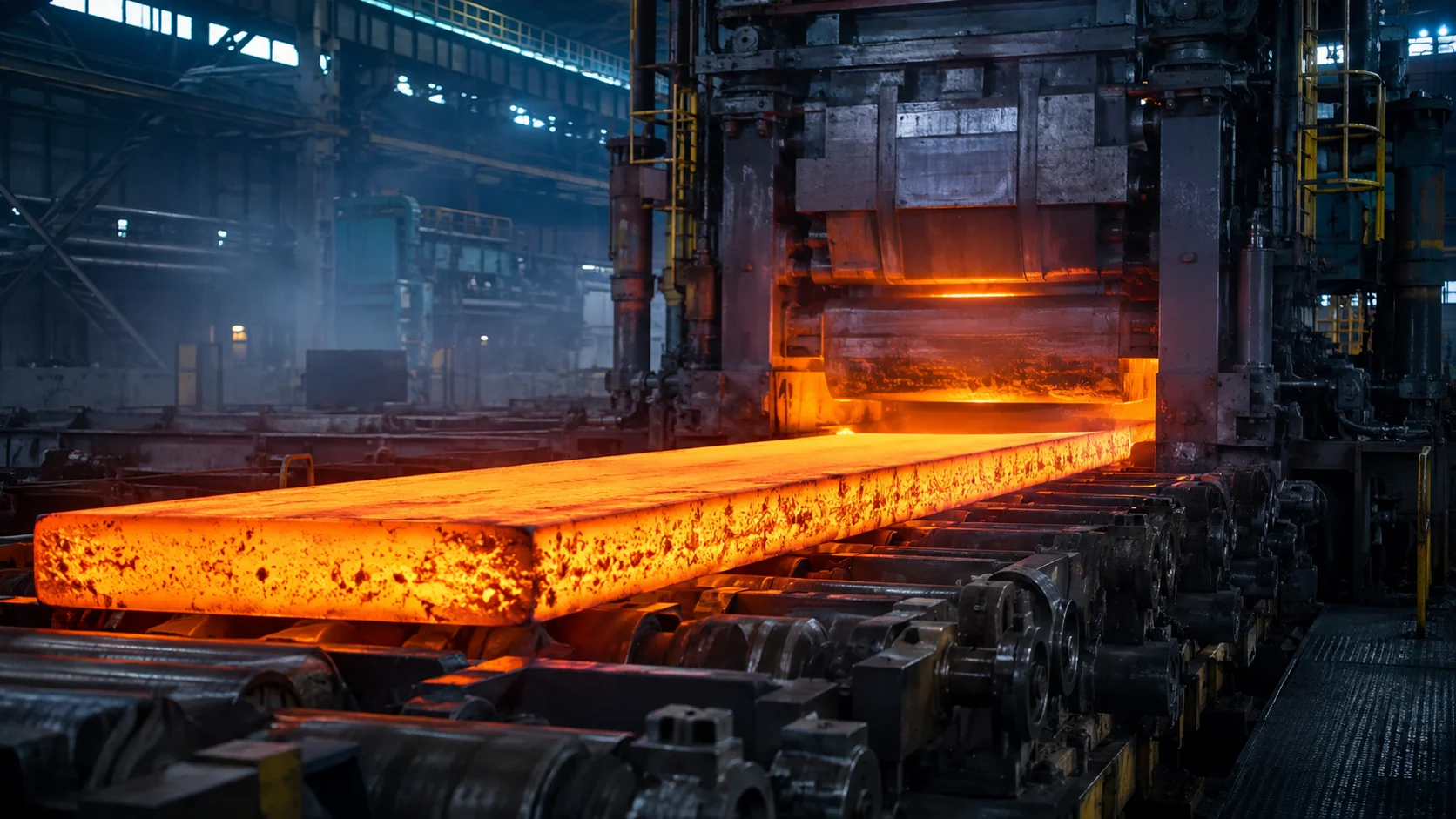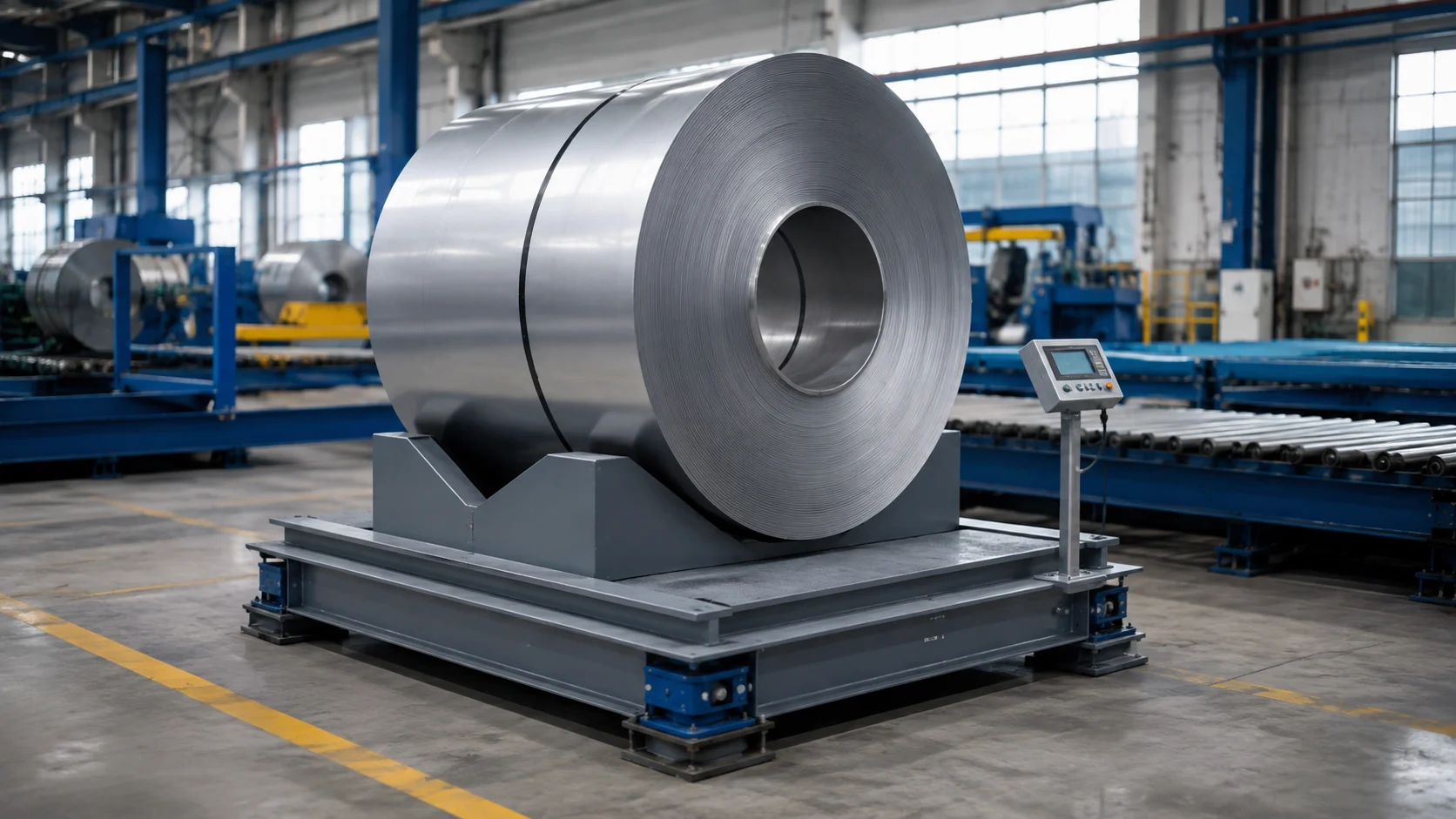






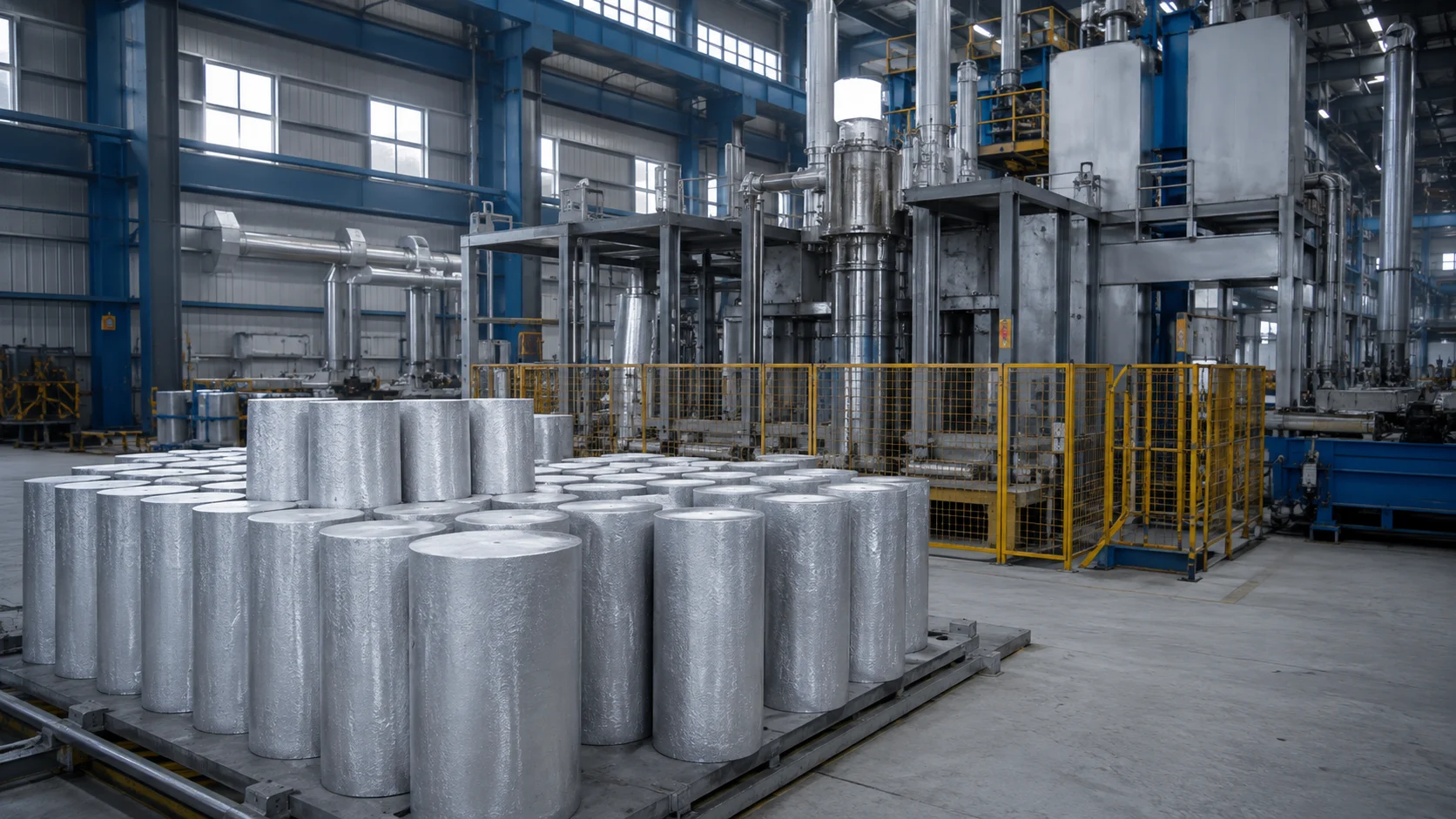
Define a control scope suited to the aluminium casting method used. Track melting, transfer, casting and products within the same batch chain, with protective functions defined through specialist engineering.
Distinguish the casting method from the outset
Aluminium casting uses different equipment and cycles according to the product form and technology. Die casting and billet or slab production must not be described using the same control scheme. This guide explains how to define the automation scope rather than providing a specific casting recipe.
Maintain material and batch identity
A traceable relationship is established between the raw materials, the approved alloy specifications, and the production batch. Sample test results and authorized process adjustments are recorded in the batch documentation. Any changes to the materials used or the mixing ratios must not erase previous historical data. The production order is matched with the equipment to be used and the target product family. For a batch that is awaiting approval, the condition for proceeding to the next step becomes clear.
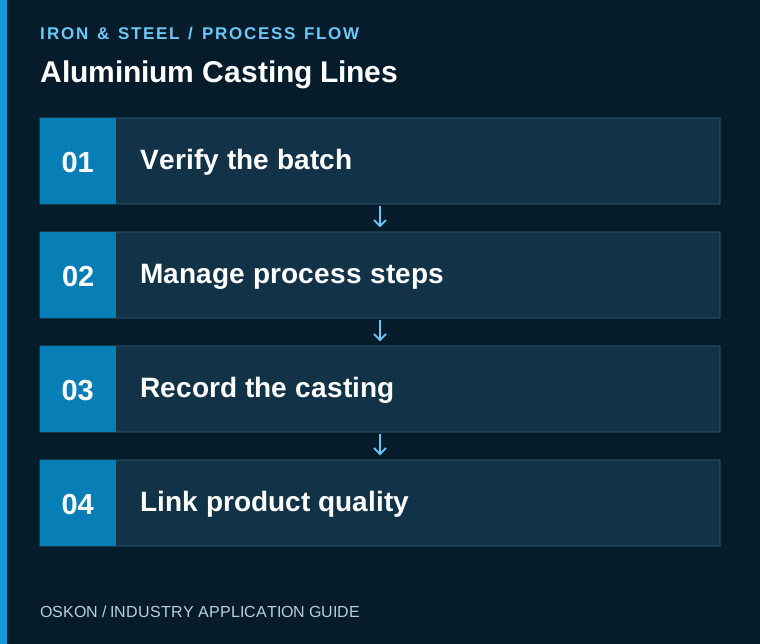
The operating sequence follows the equipment design
Define melting, preparation, transfer and casting steps according to the method used. Agree readiness and completion conditions for each step with the equipment manufacturer. Clearly identify where product and operation ownership passes between adjacent systems. Incomplete cycles are not automatically marked complete; retain a separate status that supports process assessment.
Make critical auxiliary systems visible
Cooling, hydraulic, ventilation and other auxiliary circuits may form part of production readiness, depending on the selected technology. Specialist risk assessment defines the boundaries between normal control and required protective functions. A generic software recipe for operations around molten metal cannot replace safe design. Consider equipment instructions, maintenance tasks and site conditions together.

Link process data to quality results
Temperature and other selected process measurements are recorded in a manner appropriate to the specific method used. The location of the sensor and the quality of the measurements are crucial for interpreting the results. The dimensions, structure, and other relevant quality aspects of the final product are verified using separate methods. Batch recording must clearly indicate which products belong to the same production period, allowing defect investigations to be focused on a specific range of products.
Define the acceptance scope according to the product and method
Commissioning tests are carried out in accordance with the relevant casting technology, approved procedures, and expert team plans. Identity verification, interface checks, data recording, and fault messages are all validated. Tests of protective functions are based on specific requirements. The acceptance report clearly specifies which product and operational conditions were evaluated; tests conducted for one casting method do not imply the adequacy of another method.
Key information to monitor in the automation system
| Control point | Monitored information |
|---|---|
| Batch information | Relationship between material, analysis and production order |
| Equipment readiness | Method-specific permissives and feedback |
| Product history | Casting period and quality results |
Three questions to ask at the start of the project
- Are the casting method and product scope clear?
- Are sample results linked to the batch?
- Are protective functions validated using a specialist test plan?
Explore related applications
Explore related processes in Rolling Mills and Slitting Lines. Browse all Iron & Steel articles or visit Iron & Steel solutions.