






What is STRP? Warehouse automation that brings totes to the operator
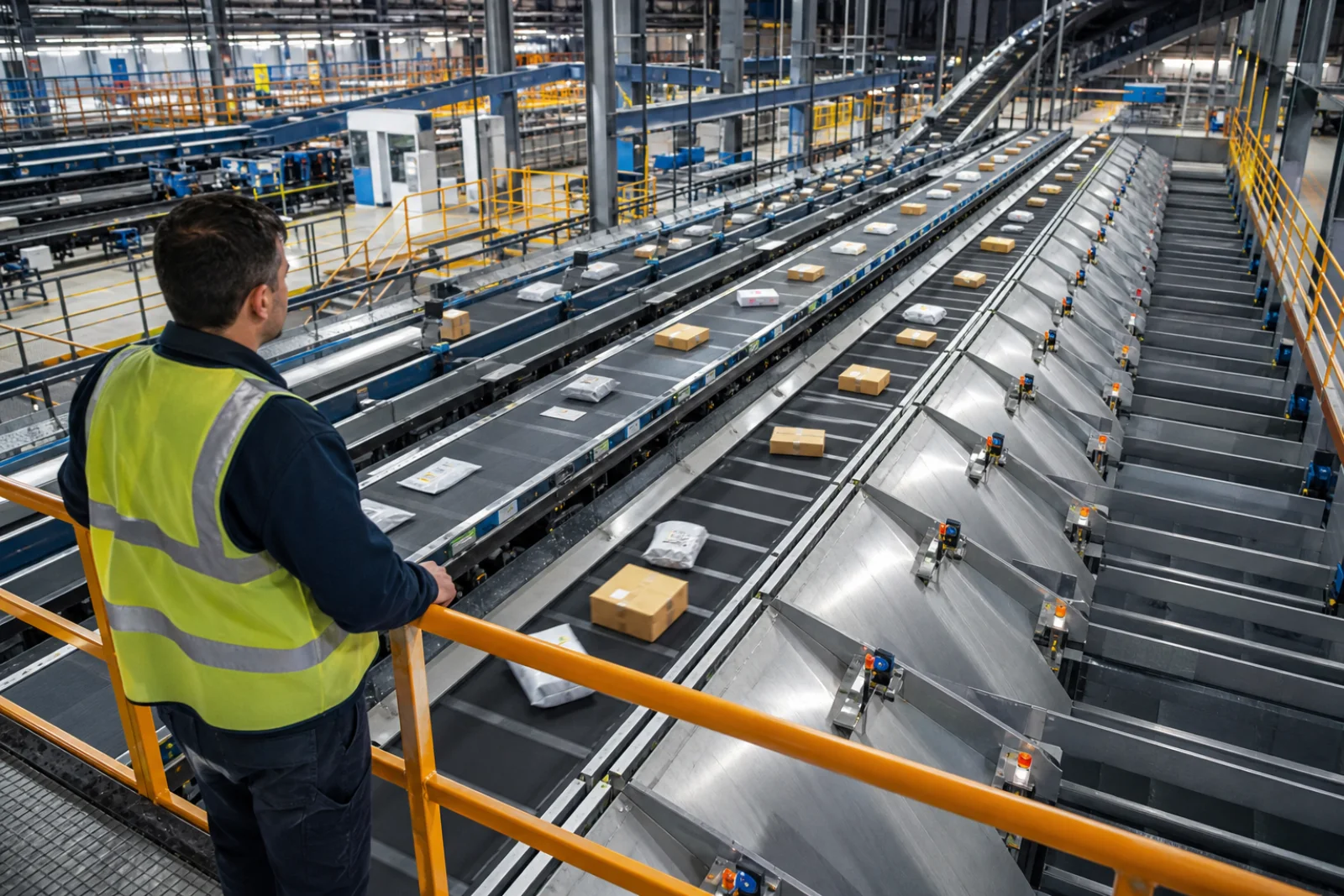
STRP (Super Tote-Relay-Pick) is Hikrobot’s tote-to-person solution for high-density tote storage and order picking. Totes containing products are retrieved from storage and delivered to an operator’s workstation. Instead of walking between shelves for every order, the operator picks within a defined working area.
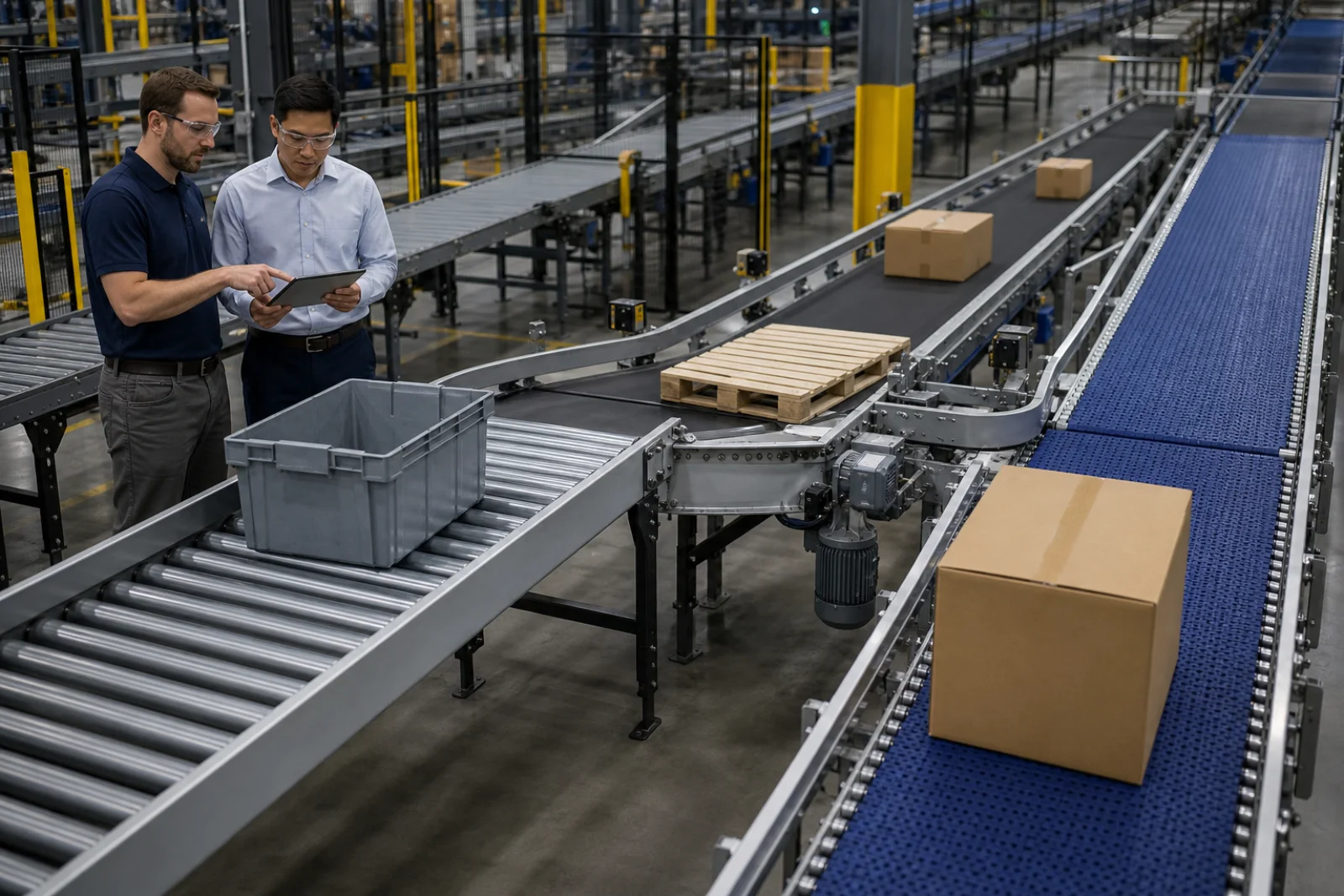
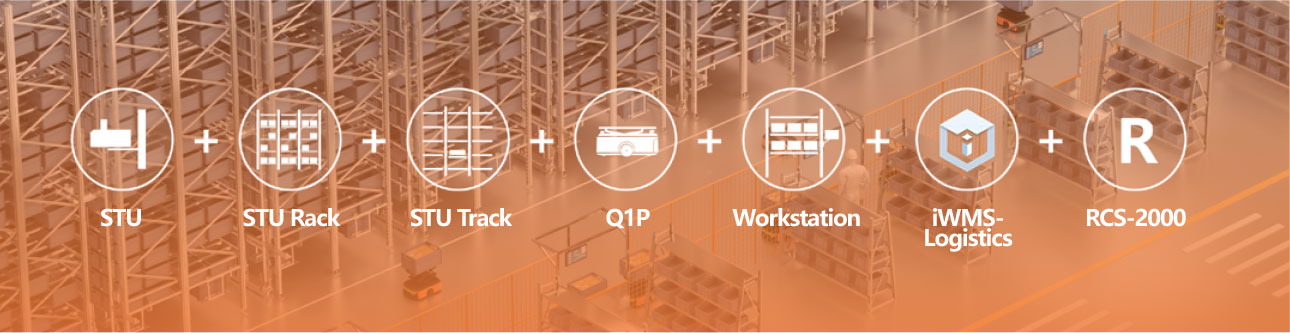
The architecture combines STU rack robots, Q1P ToteRunner transport robots, intermediate buffers and picking stations. Software coordinates inventory, tasks and robot movements. STRP primarily automates tote storage and transport; selecting individual items from a tote may still be performed by an operator, depending on the workstation design.
How does the flow from storage to picking station work?
- Orders are matched with inventory. Products, quantities and tote locations are evaluated to create transport tasks.
- STU retrieves the tote. It performs horizontal and vertical movements within the rack and brings the tote to a ground-level transfer or buffer position.
- Q1P takes over horizontal transport. It moves the tote from the buffer to the appropriate picking station. Separating the work of STU and Q1P allows storage access and workstation delivery to be planned independently.
- Items are picked and verified. The operator selects the required product; barcode checks, screen instructions and other verification steps are defined for the application.
- The tote moves to its next task. Depending on outstanding orders, it can go to another station, a buffer or back into storage.
STU, Q1P and the workstation
Intelligent routing and task planning: iWMS supports warehouse workflows, while RCS supports robot task and traffic coordination. Order priority, inventory location, task load and station availability inform which tote is sent to which station. The integration details depend on the existing WMS and the rules of the operation.
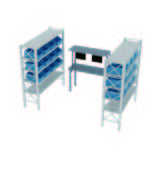
A station can use direct robot access, a conveyor connection or a buffer-rack arrangement. The choice should consider operator ergonomics, the number of waiting totes and the subsequent packing or dispatch process.
How should you assess the technical specifications?
Hikrobot’s LogiMAT 2025 technical introduction lists STU horizontal speeds of up to 3 m/s, vertical lifting speeds of up to 2 m/s and operating heights of up to 12 metres. It also lists a maximum Q1P speed of 4 m/s and a 50 kg payload. These figures must be checked against the model and operating conditions selected for the project.
A robot’s maximum speed is different from a warehouse’s hourly order capacity. Tote dimensions and weight, rack depth, travel distance, concurrent tasks, station count and operator picking time all affect actual throughput. At the quotation stage, define the order lines required during the peak hour and the tote flow per station, as well as the number of robots.
Which warehouses should consider STRP?
STRP can be considered where many product types are stored in totes, individual-item picking is frequent and available building height needs to be used effectively. In e-commerce, retail distribution, spare parts and production material supply, start by checking whether the products are suitable for tote handling.
As a real-world example, Hikrobot’s CR Pharma deployment brings together tote storage, replenishment, picking and inspection using STU, Q1P, conveyors and workstations. It illustrates why capacity must be designed around the complete warehouse flow rather than robot selection alone.
For pallet-based heavy loads, forklift mobile robots or pallet storage systems address a different requirement. Choosing between STRP and CTU tote-transfer solutions also requires an assessment of the building, tote profile and target throughput.
Integrating iWMS, RCS and the existing ERP/WMS
The integration design should identify where orders originate, which system owns inventory records and where completed transport tasks are reported. Clear responsibilities across ERP, WMS, iWMS and RCS help avoid duplicate tasks and discrepancies between stock records and physical tote locations.
- Master data: Product and tote identifiers, dimensions, weights, locations and inventory quantities.
- Workflows: Receiving, put-away, replenishment, order picking, returns, stock counting and empty-tote management.
- Exceptions: Operator procedures for unreadable barcodes, missing items, unavailable stations and cancelled orders.
- Monitoring: A shared approach to task status, queues, waiting times and error records.
What information is needed to plan an STRP project?
Prepare peak-hour data as well as daily averages. SKU count, order lines per order, tote occupancy, products frequently ordered together and seasonal fluctuations all influence the system design.
- Measure the current operation: Record walking distances, picking times, error rates, storage capacity and replenishment demand.
- Assess the layout: Review usable building height, columns, floor conditions, fire access routes, maintenance access and existing conveyor interfaces.
- Model the flow: Compare normal-day, peak-day and station-unavailable scenarios.
- Define acceptance criteria: Agree how hourly tote transfers, completed order lines, accuracy and system availability will be measured.
- Plan a phased start: Include integration tests, operator training, a controlled launch and gradual capacity increases.
Frequently asked questions
Does STRP pick individual products out of the tote?
In a standard tote-to-person workflow, the system brings the tote to the operator. A person may still pick the individual items. If robotic item picking is required, grippers, vision systems and product variability need a separate assessment.
Can it be installed in an existing warehouse?
Suitability depends on the building, rack arrangement, tote standards and operational data. A phased deployment for a selected product group or picking zone can be considered instead of converting the entire warehouse at once.
Can capacity be increased later?
The initial design can allow for additional robots, storage and stations. Expansion must also account for software, buffer space, packing and dispatch constraints: adding robots alone does not always deliver a proportional increase in output.
Define the right STRP configuration for your warehouse
Explore Oskon’s automated vertical tote storage solutions and intralogistics applications. Share your warehouse layout, tote dimensions and peak-hour order data to request a technical assessment for your project.