





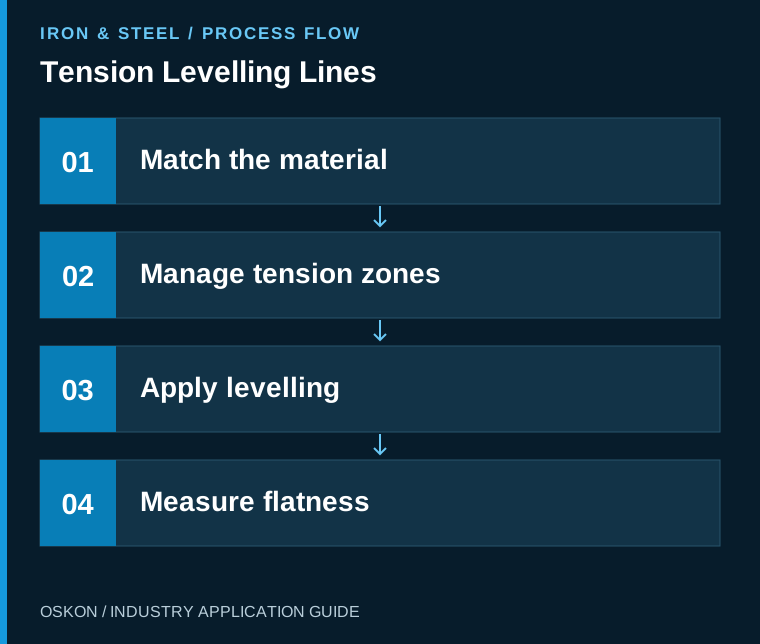
Assess material properties, tension arrangements and flatness targets together on tension levelling lines. Validate tension levelling recipes against actual strip quality results.
Clarify the scope of the tension levelling process
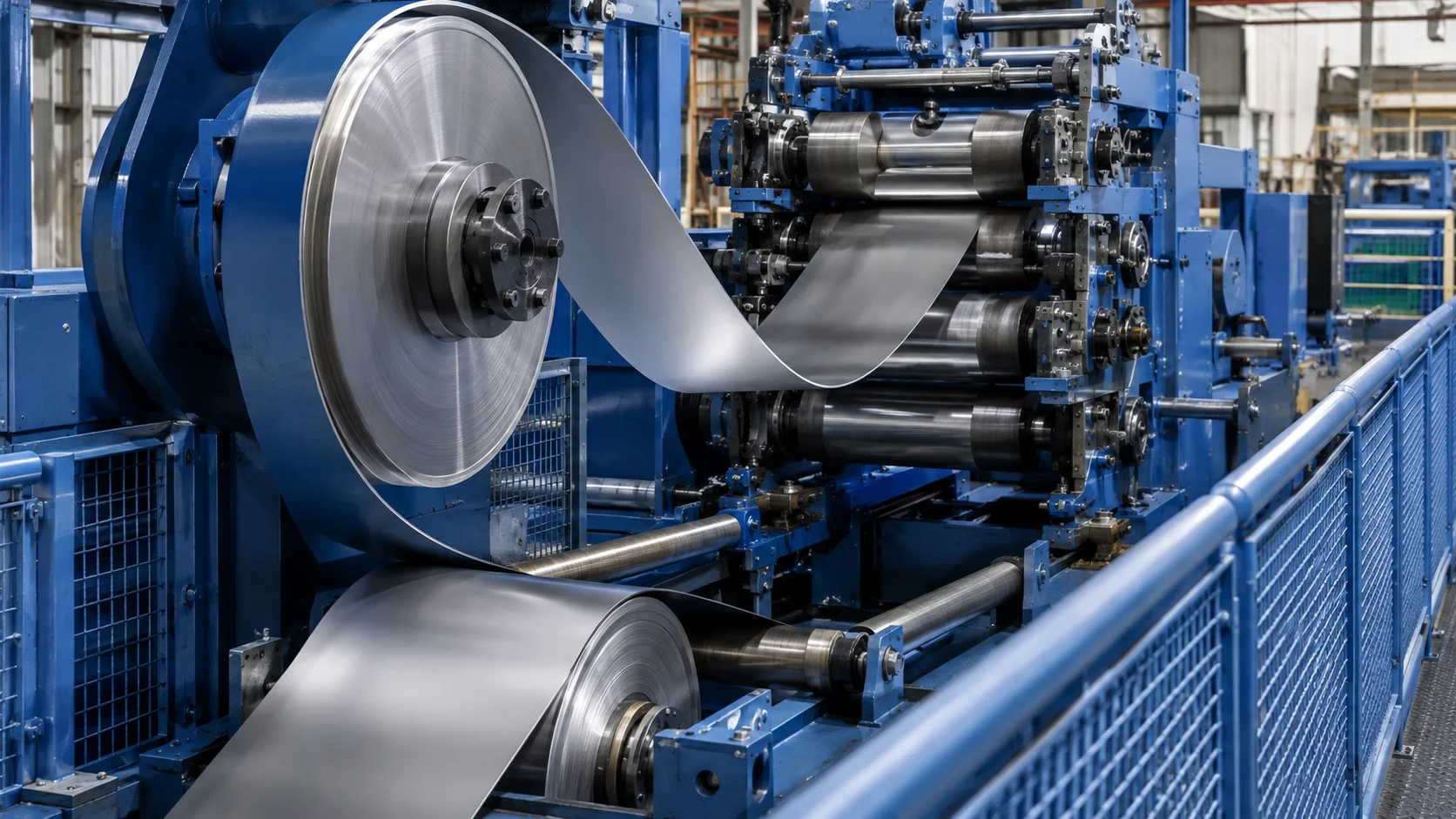
The term “tension leveling” can refer to different equipment configurations in various facilities. Here, we are discussing the lines where flat metal strips are processed using tension leveling techniques. The specifications must clearly define the required process, the range of materials to be processed, and the criteria for flatness.
Material data is an input to the recipe
Thickness, width, and mechanical properties are important factors in evaluating the suitability of a material for a particular process. It should not be assumed that different materials with the same thickness can be processed using the same settings. The identity of the incoming coil and relevant material information must be matched with the specified recipe. In the event of missing or ambiguous material data, a controlled approval process is required. Any adjustments made by the operator are recorded in the production documentation.
Manage tension zones according to the line architecture
The functions of bridles or other traction arrangements, their relationship to the leveller and drive coordination follow the equipment design. Assess required behaviour during acceleration and deceleration separately. Calibration and mechanical contact conditions are important. Operators must understand the control values; signals from different zones should not be combined into a single ambiguous tension indicator.
Link leveller settings to quality results
The positions of the rollers and the relevant recipe parameters can be stored. However, the application of the recorded settings alone does not guarantee that the desired flatness is achieved in every material. Input and output quality assessments must be conducted using appropriate measurement methods. If the issue persists within a specific range of widths or material types, the settings, the mechanical condition of the equipment, and the input material must be examined together.

Protect the surface and maintain traceability
The condition and contamination of the contact elements can affect the surface quality. Records of maintenance, cleaning, and roller changes can be linked to the product’s history. In the event of coil splitting or reprocessing, the relationship between the base material remains intact. How to mark the strip area affected by the line stoppage is specified in the quality control plan; it is not necessary to evaluate the entire coil based on a single overall result.
Examine transition behaviour during acceptance testing
Test start-up, stopping and restarting as well as constant-speed operation. Measure flatness and surface results across different material ranges. Verify equipment behaviour during drive, measurement and communication faults. Include the material details and recipe version in the acceptance report. This record provides a comparable baseline for later product development.
Key information to monitor in the automation system
| Control point | Monitored information |
|---|---|
| Material information | Thickness, width and product properties |
| Tension control | Setpoints and feedback by zone |
| Output quality | Flatness and surface assessment |
Three questions to ask at the start of the project
- Is the scope of the tension levelling process clear?
- Are setting changes linked to the coil?
- Are the start-up and stopping sections inspected for quality?
Explore related applications
Explore related processes in Slitting Lines and Cut-to-Length Lines. Browse all Iron & Steel articles or visit Iron & Steel solutions.