






Energy downtime
A robot waiting to charge should not reduce shift capacity; the energy plan follows the mission profile.
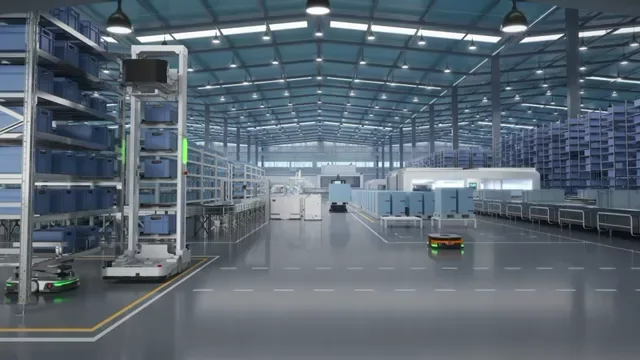
Automatic charging, call, transfer, network and safety equipment enable the mobile robot fleet to interact reliably with the production environment.
Explore
A robot waiting to charge should not reduce shift capacity; the energy plan follows the mission profile.
Stations, conveyors and doors have to operate within the same scenario as the robot.
Operator calls, signalling and access control must follow one consistent scheme on site.
Charging, load transfer, call, network and shop-floor interfaces are designed together to ensure continuity across the mobile robot solution. Every peripheral is selected specifically for the project, taking the robot type, load, task frequency, shop-floor safety and maintenance access into account.
Enable opportunity charging and automated battery management according to the fleet plan.
Swaps the depleted pack automatically so the robot returns to duty without waiting for a charge.
Complete conveyor, alignment, racking and load-detection interfaces.
Establish shop-floor interaction through push buttons, signal lights, doors and access control.
The shop-floor network is planned for uninterrupted wireless coverage and RCS connectivity.
Navigation references are established with QR codes, reflectors and floor markings.
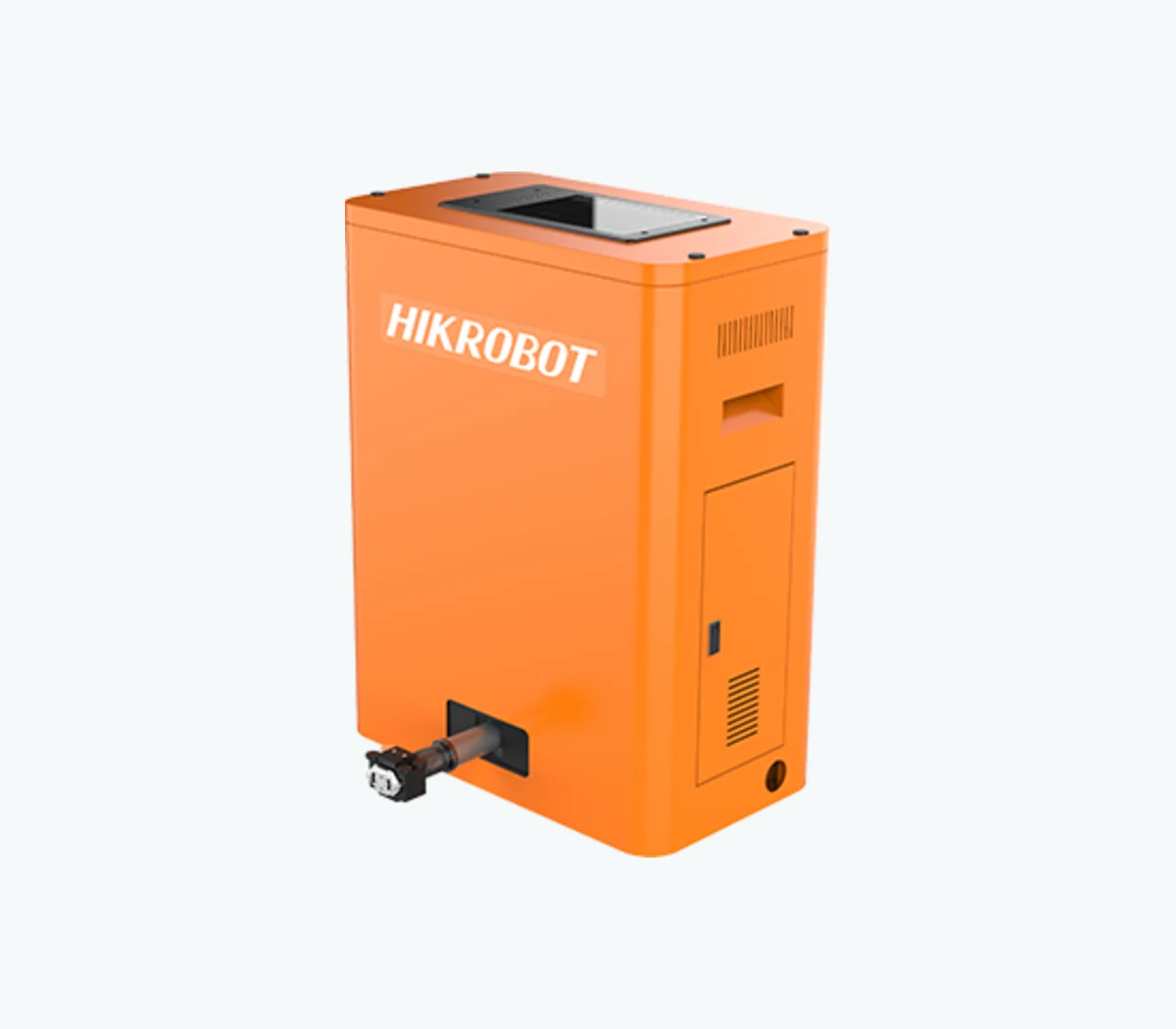
Designed for the smart charging of the mobile robot battery pack, the station works with 48 V / 30 Ah packs. Robots dock on their own between missions, while charging duration and frequency are managed through the fleet plan.
The robot docks and the depleted pack is exchanged for a charged one in roughly 100 seconds.
More than 40 battery packs are charged at the same time inside the station, managed as a shared pool.
Sites running 200+ mobile robots simultaneously can operate the battery cycle from a single point.
According to Hikrobot figures, the swap cycle delivers up to 50 times higher efficiency than static charging.
Customer and facility information has been anonymized to meet confidentiality obligations.
Share load profiles, throughput targets and space constraints so the right architecture can be assessed.
Request a storage and flow analysis Your request is routed directly to the relevant engineering team.
Engineering confidence with Oskon.
Leave your details and our expert engineers will contact you for a preliminary consultation tailored to your needs.