






Design limited by physical trials
Pilot experiments and experience-based scaling leave efficiency, energy, and capacity decisions uncertain until scale-up.
We connect SIMATIC PCS 7 and PLC-based controls with Siemens gPROMS process modelling, using the same validated model for design, commissioning and operating decisions.
Explore the solution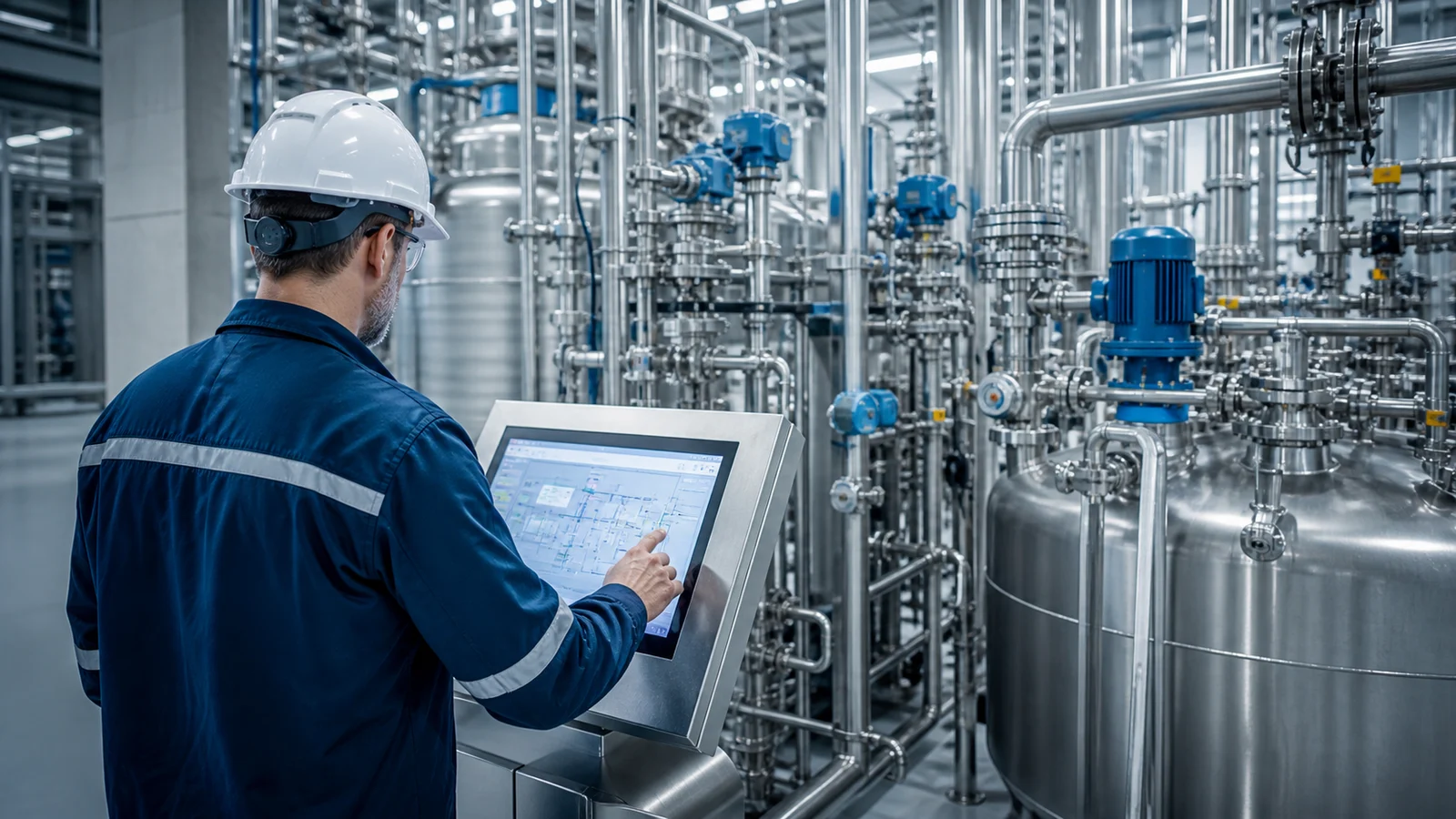

Pilot experiments and experience-based scaling leave efficiency, energy, and capacity decisions uncertain until scale-up.
When control strategy, adjustment and interlock behavior are first tested in the field, commissioning time and product loss increase.
Energy, yield and cycle time gains cannot be justified and monitored without a validated model of the process.
A process model built with Siemens gPROMS informs design decisions; the SIMATIC PCS 7 and PLC layers implement those decisions deterministically in the plant. After commissioning, the same model connects to live data to become a digital twin.
Unit, flow and physical property behavior are defined in an equation-based flowchart.
→The model is validated with a confidence interval by comparing it with laboratory, pilot and facility data.
→Control strategy, recipe structure, alarm and interlock logic are built into the control system.
→The model, linked to live data, is used for monitoring, soft-sensing, and real-time optimization.
We select the modelling environment suited to your production type from platforms built on the shared gPROMS Core and gPROMS Properties foundation.
A lifecycle modeling environment for process design, dynamic simulation and optimization from concept to operation.
Review the product →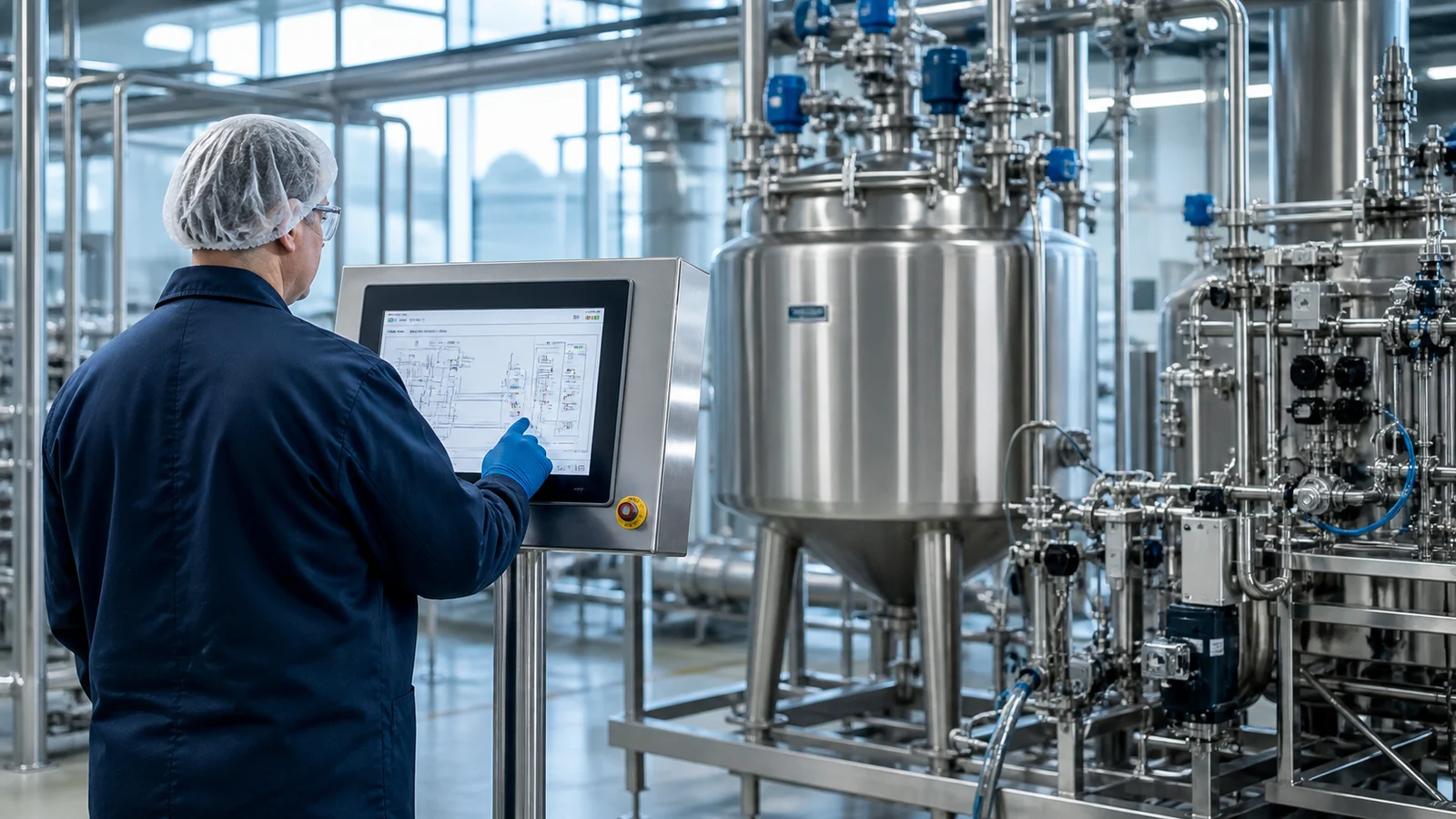
A drug and formulation-focused modeling environment where the product and production process are designed together.
Review the product →
Description of complex fluid, solid and electrolytic systems with advanced physical property models including SAFT-γ Mie.
Review the product →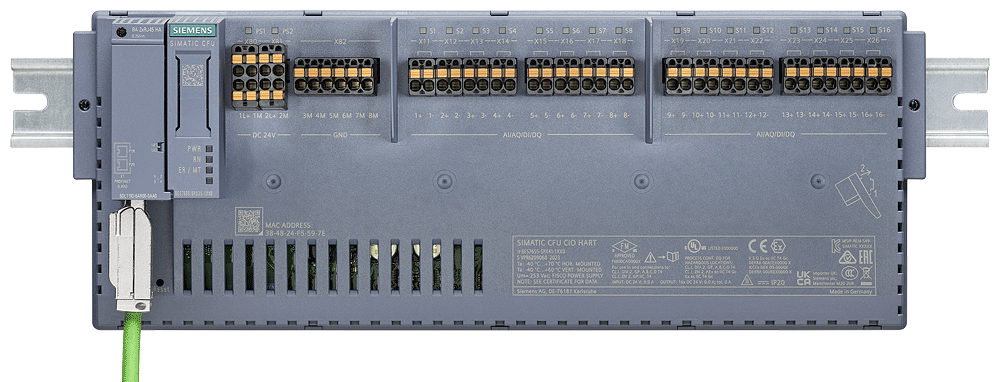
Implementation of the model-validated control strategy in field instrumentation, PLC and DCS layers.
Explore the service →The scope is determined by process type, data maturity and decision objective. Each model is delivered with acceptance criteria and validity limits.
Solve the complete plant, including recycle streams, in one system of equations for steady-state and dynamic scenarios.
With gPROMS Properties, phase behavior, mixing and electrolyte systems are reliably defined.
Commissioning, product transition, shutdown and failure scenarios are tested prior to production.
Scaling in reactors and separation units is supported by distributed parametric models.
Design and operation variables are prioritized by MINLP optimization and global sensitivity analysis.
Unmeasureable variables are estimated from the model; operation decisions are updated with real-time data.
Product specification, capacity, energy and quality goals are defined in a measurable way.
Evaluate the available laboratory, pilot and plant data together with the scope of the physical property models.
Regulation, recipe structure, interlock and alarm philosophy are tested on the model.
FAT/SAT scenarios, performance tests, and model validity limits are written into the acceptance plan.
Which decision will be supported by the model, the expected benefit, and the validation criterion are clarified.
Process flow diagram, operation data, laboratory results and equipment information are compiled.
Model units, physical property packages and constraints in the gPROMS environment.
The model is calibrated against actual data; design and operation scenarios are compared.
The verified strategy is applied and deployed in the PCS 7/PLC layer.
A model linked to live data is monitored; deviation, performance, and recalibration are tracked.
Design reaction, separation and recycle flows around yield and energy targets.
Verifiable process design, scale-up and controlled operation scenarios.
Reducing fuel consumption and emissions in steam, cooling and auxiliary systems.
Balance quality and energy use in core thermal processing, mixing and separation operations.
Tell us briefly about your operation so we can establish the right next step together.
Discuss your requirements Your request is routed directly to the relevant engineering team.
Engineering confidence with Oskon.
Leave your details and our expert engineers will contact you for a preliminary consultation tailored to your needs.