





Tank terminals play a critical role in the energy, chemical and logistics industries. They are no longer simply facilities where liquid products are stored; through digitalisation, they are becoming centres of operational excellence, sustainability and strategic decision-making. Siemens Next-TMS (Terminal Management System) is at the forefront of this transformation.
Why Is Digitalisation Necessary?
Traditional tank-terminal management can suffer from inefficient manual processes, data silos and limited visibility. The principal operational challenges associated with conventional methods include:
- Data silos: Order, vehicle, infrastructure and regulatory data is held in different systems, creating manual workload and loss of visibility.
- Complex planning: Rapid adaptation becomes difficult when vehicles are delayed, equipment fails or product quantities change.
- Compliance and traceability: Manual checks and the need for continuous interdepartmental communication create a structure susceptible to human error.
- Adapting to the energy transition: Storing new products such as biofuels and renewable feedstocks requires more rigorous traceability.
Digital transformation removes these barriers by:
- Increasing operational visibility.
- Reducing human error.
- Automating compliance processes.
- Enabling real-time decision-making.
Global analyses indicate that terminals integrating digital technologies can increase inventory turnover and revenue-capture rates by up to 20%.
Siemens Next-TMS: End-to-End Digital Management
Siemens Next-TMS provides a modular platform developed in accordance with the ISA-95 standard. It integrates every layer, from ERP to field devices, to manage operations end to end.
What Is the ISA-95 Standard?(1)
ISA-95 is an international standard for integrating manufacturing and enterprise systems. It defines a five-level architecture:
Next-TMS uses this structure as the foundation for integrating all operational processes.
Core Features of Next-TMS
1. Real-Time Monitoring and Transparency
- Truck, container, tank and material movements can be monitored in real time.
- Operational data is consolidated on a central platform.
2. Automated Task Management
- Tasks such as loading, unloading and quality inspection are automated.
- The need for manual intervention and the error rate are reduced.
3. Inventory and Tank Management
- Tank levels, temperatures and product quantities are monitored digitally.
- Reservations and quality tests are managed within an integrated process.
4. Compliance and Safety
- Regulatory compliance is tracked automatically.
- Alarm messages are integrated with the automation architecture.
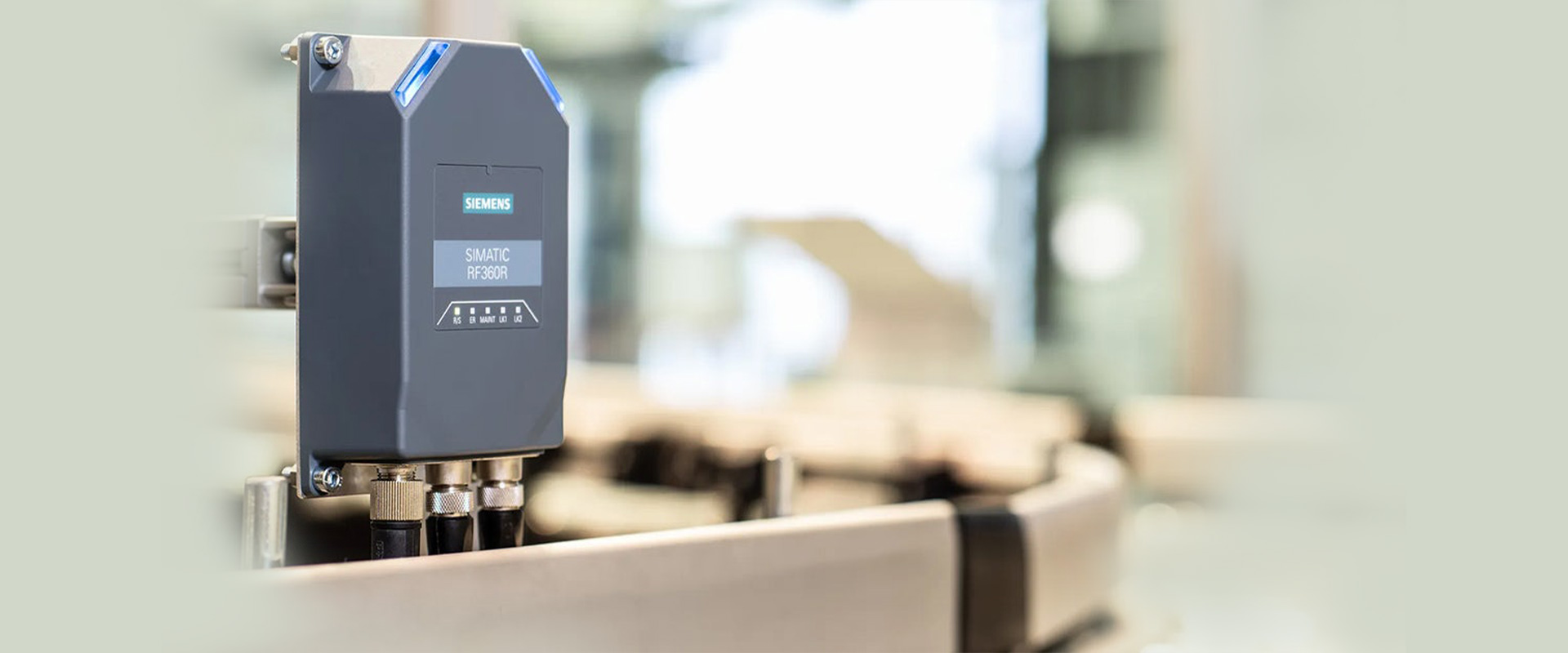
- Security systems such as RFID and access control operate in an integrated manner.
5. Technical Infrastructure
- Mendix (low-code development): Rapid, multi-platform application development for business processes.
- Opcenter Execution Process (MOM/MES): End-to-end management of the complete terminal process.
- Opcenter Advanced Planning & Scheduling: Scenario-based optimisation of vehicle and vessel planning.
- Opcenter Intelligence: Real-time and historical operational analysis.
- Opcenter Connect MOM: Integration with Siemens and third-party systems, high availability and load balancing.
The Terminal Management System manages every stage, from inbound material management and storage/tank farms through material processing, including batching and blending, outbound material management—including vessel and truck loading and drum filling—and final dispatch.
Developed in accordance with ISA-95, the Terminal Management System increases loading efficiency, simplifies maintenance and system expansion, and improves availability, reliability and business continuity.
TMS is designed to optimise and automate liquid tank-terminal operations. It enables the real-time monitoring, control and management of product storage and material flow across the terminal's various tanks.
The system integrates seamlessly with existing ERP and automation platforms, providing comprehensive control over inventory levels, product quality and tank utilisation.
Real-World Digitalisation Examples
OKQ8 — Sweden
OKQ8, one of Sweden's largest fuel providers, digitalised seven terminals with Siemens Next-TMS. As a result:
- The entire process became traceable, from fuel entering the terminal to delivery at the pump.
- Recipe management, dispatch planning and invoicing were consolidated on one platform.
Infraserv Logistics — Germany
Serving the chemical and pharmaceutical industries, Infraserv used Siemens TMS to:
- Digitalise hazardous-material management.
- Manage 42 tanks and 180,000 pallet positions through one system.
Conclusion: Competitive Advantage and Investment in the Future Through Digitalisation
Siemens Next-TMS is more than software; it is a digital-transformation tool that supports operational excellence, sustainability and strategic decision-making.
The future of tank-terminal operations will be built on real-time data management, complete integration and a high degree of automation. Siemens Next-TMS represents a strategic investment for organisations seeking to turn this vision into reality.