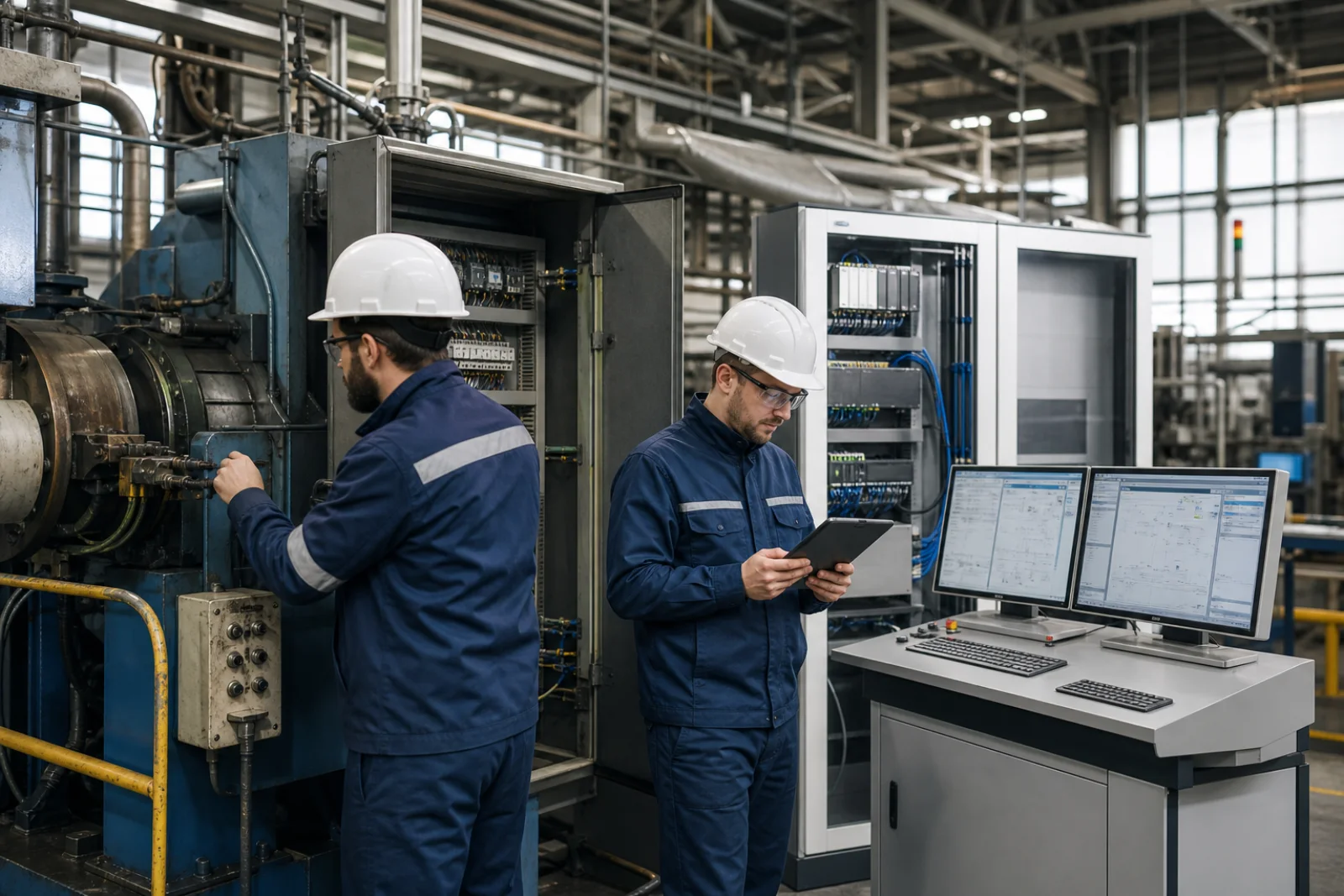







Enhance Security and Comfort with Building Automation Systems. Make Your Living and Working Spaces Smarter Through Energy Efficiency.
As technology advances, the way buildings are managed and used is becoming smarter and more efficient. Building automation systems offer innovative solutions that improve the security and comfort of living and working spaces. Today, many functions can be automated not only in commercial buildings but also in homes, making everyday life easier. Whether you are at work or at home, building automation systems enable you to use energy more efficiently, maximise security and create a more comfortable daily environment.
What Are Building Automation Systems?
Building automation systems are integrated solutions designed to make the operation and maintenance of a building more efficient. They manage and automate a range of building services—including heating, ventilation, lighting, security and energy management—as a unified system. Through a central control panel or software platform, all these components communicate with one another and operate intelligently.
Benefits of building automation systems:
- Automated lighting and heating systems operate only when required, helping to prevent energy waste.
- Greater operational efficiency reduces energy consumption and maintenance costs.
- Automation takes over routine tasks, saving time for building managers and occupants.
How Building Automation Improves Security
One of the most significant advantages of building automation systems is their ability to enhance security. Advanced sensors, cameras and alarm systems allow potential threats to be detected immediately and appropriate action to be taken.
- Smart camera systems can monitor every area of a building with functions such as motion detection and real-time surveillance. Remote access through mobile devices enables authorised users to respond to incidents without delay.
- Modern building automation systems can use biometric identification—such as fingerprint or facial recognition—alongside card access and PIN-based authentication to grant entry only to authorised individuals. These technologies secure both internal areas and building access points.
- In the event of fire, a gas leak or another emergency, building automation systems can activate immediately and help manage evacuation procedures. Fire alarms, emergency exit controls and automatic fire suppression mechanisms improve preparedness for critical situations.
- Building managers can respond immediately to a security breach. For example, when an intrusion alarm is triggered, the automation system can lock doors and notify the relevant authorities or response teams.
How Building Automation Improves Comfort
In addition to security, building automation systems are highly effective at improving comfort. They provide numerous features that simplify everyday life.
- Sensor-equipped lighting systems can switch on or off according to room occupancy and adjust themselves in response to available daylight. This reduces energy use while creating a comfortable environment.
- Smart thermostats optimise indoor temperature according to user habits. Whether you are at home or away, heating and cooling systems can be managed at any time from a mobile device. This helps avoid unnecessary energy consumption while maintaining optimum comfort.
- Voice-controlled devices make everyday tasks easier. Smart blinds, home cinema systems, coffee machines and similar equipment can be integrated into the automation system to improve quality of life.
- Audio and video systems can be controlled across different rooms, while multimedia devices can be synchronised automatically to create a seamless home cinema experience.
How Building Automation Systems Support Energy Efficiency
Energy management is one of the most important advantages of building automation systems. It supports a more environmentally responsible way of living while significantly reducing energy costs.
- Building automation systems monitor and optimise energy consumption in real time. Energy-intensive equipment operates only when needed, reducing electricity and natural gas consumption.
- Occupancy sensors switch lighting, heating and cooling systems on or off according to whether a room is in use, preventing unnecessary energy expenditure.
- By improving energy efficiency, automation systems help reduce a building's carbon footprint. This contributes both to more environmentally responsible buildings and to a sustainable future.
Conclusion: Building Automation Systems
Building automation systems do more than enhance security: they also simplify daily life and improve comfort. They increase energy efficiency while supporting environmental sustainability. As these systems become more widespread, smart buildings will continue to raise standards of living and working.
If you want to improve both security and comfort in your own spaces, investing in building automation solutions is worth considering. With today's technology, creating a smart home or workplace is more accessible and straightforward than ever.