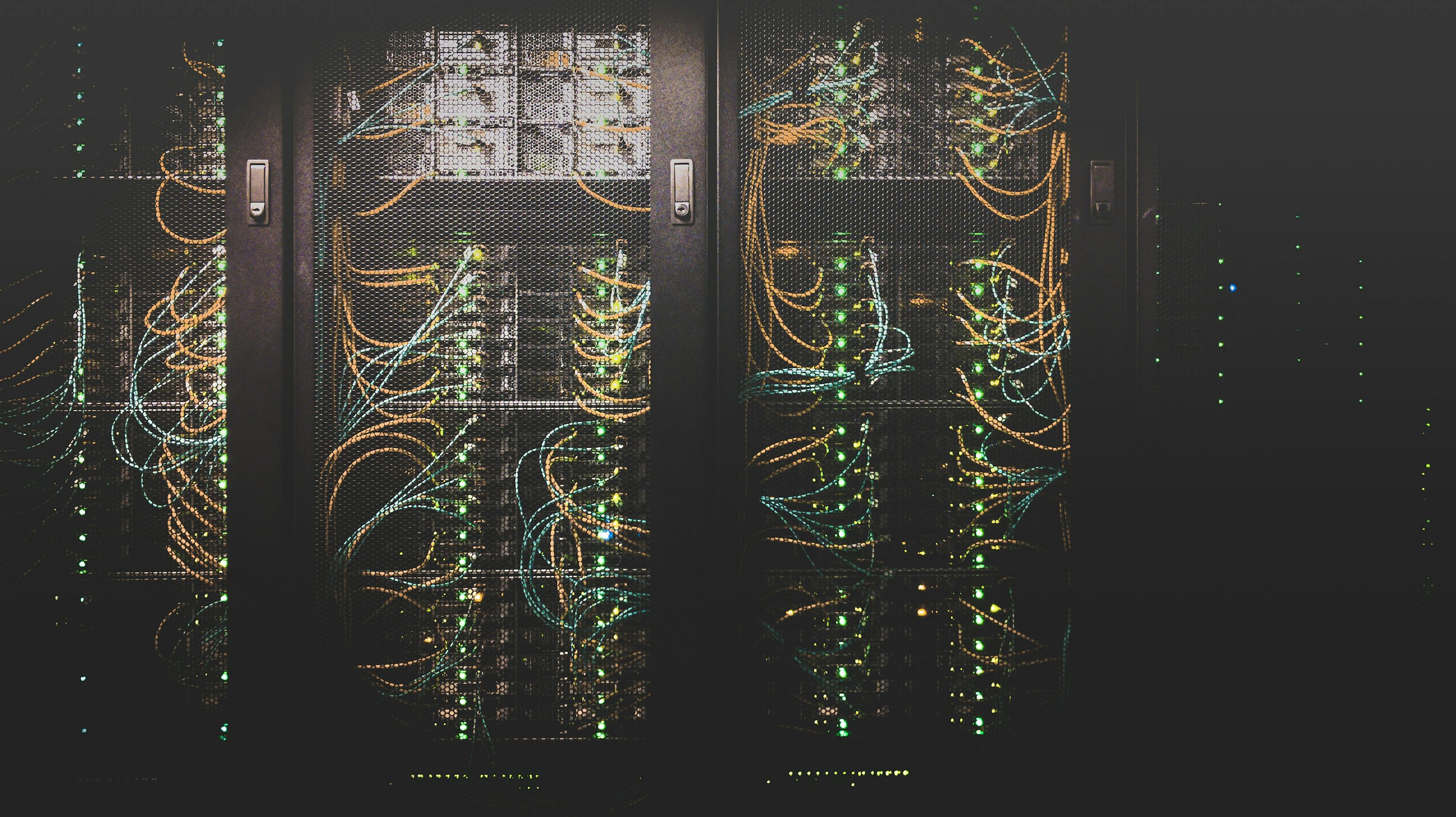







Cybersecurity consulting is a service that helps organisations assess and improve their cybersecurity posture. It includes conducting security assessments, implementing security technologies, training employees and providing recommendations on how to reduce exposure to cyber threats.
Cybersecurity consulting is important because cyber threats continually evolve, and organisations must remain one step ahead to protect sensitive information and data. A cybersecurity consultant helps organisations identify and remediate vulnerabilities, apply best practices and develop a plan for responding to cyber threats. Organisations of every size and type—including small and medium-sized enterprises, large businesses, government agencies, healthcare providers, financial institutions and retailers—can benefit from cybersecurity consulting services.
Why should you use cybersecurity consulting services?
- Identify Your Exposure to Threats
A cybersecurity consulting service performs a comprehensive risk assessment to identify potential vulnerabilities and risks within your organisation's digital infrastructure. This helps you prioritise cybersecurity activities and allocate resources accordingly.
- Benefit from Our Knowledge and Expertise
Cybersecurity consultants possess extensive knowledge and expertise in their field. They remain informed about the latest threats and technologies and provide guidance on best practices and solutions for protecting your organisation against cyberattacks.
- Implement Up-to-Date Security Controls
Cybersecurity consultants stay current with the latest security controls and best practices. They advise you on appropriate technologies and processes for securing your organisation's systems and data.
- Plan Incident-Response Processes
In the event of a cyberattack or security breach, cybersecurity consulting helps your organisation respond quickly and effectively to minimise the impact of the incident and prevent future attacks.
IT cybersecurity
People commonly use the terms cybersecurity and information technology (IT) security interchangeably. In many situations this does not create serious confusion, but the two terms describe different areas of responsibility. Although this ambiguity is often harmless, the growing number of attacks in recent years makes greater clarity essential when discussing these two forms of digital security.
IT security covers a broader field encompassing both digital and analogue information. It is the practice of protecting an organisation's IT assets—computer systems, networks, digital devices and data—against unauthorised access, data breaches, cyberattacks and other malicious activity. IT security also includes physical access control and data-management policies. Cybersecurity focuses more specifically on internet-originated threats capable of compromising a system. It also addresses cybercrime, attacks, fraud and law enforcement, with a stronger emphasis on preventive and risk-management measures.
OT cybersecurity
Another important consideration is operational technology (OT) security. Operational technology is the use of hardware and software to monitor and control physical processes, devices and infrastructure. OT systems are found across many asset-intensive industries and perform tasks ranging from monitoring critical infrastructure (CI) to controlling robots on a production floor. OT is used in manufacturing, oil and gas, electricity generation and distribution, aerospace, maritime, rail and utilities. OT security can be defined as the practices and technologies used to protect people, assets and information; monitor and/or control physical devices, processes and events; and initiate state changes in enterprise OT systems. OT security solutions encompass a wide range of technologies, including next-generation firewalls (NGFWs), security information and event management (SIEM), identity and access management, and more.
Traditionally, OT cybersecurity was less necessary because OT systems were not connected to the internet and therefore were not exposed to external threats. As digital innovation initiatives expanded and IT and OT networks converged, organisations tended to combine isolated point solutions to address individual problems. These approaches to OT security produced complex networks in which solutions could not exchange information or provide complete visibility.
What is the difference between IT and OT cybersecurity?
Understanding the distinction between IT and OT is important because the two are frequently confused. Operational technology controls equipment, while information technology controls data. IT security focuses specifically on preserving the confidentiality, integrity and availability of systems and data.
What is IT/OT convergence?
The integration of IT and OT systems creates greater connectivity between two previously distinct environments, delivering increased efficiency, greater visibility and control over operations, and better decision-making capabilities. A principal example of IT/OT convergence is the Industrial Internet of Things (IIoT), which connects physical devices, sensors and machines to IT networks, often through the cloud. These devices enable data collection, remote monitoring and performance analysis, allowing critical-infrastructure organisations to improve automation, predict maintenance requirements and make real-time decisions.
This form of IT/OT convergence has enabled organisations to accelerate digital transformation substantially. By bringing IT and OT systems together, organisations can automate processes further to reduce human error, increase productivity and streamline operations. Improved data visibility also provides deeper operational insight and supports data-driven decisions. As a critical enabler of digital transformation, IT/OT convergence aligns operational processes with digital capabilities and changes how businesses deliver value. Although integrated IT/OT promises cost savings and resource efficiency, increased connectivity also introduces new challenges. As more IT devices and systems connect to OT environments and the extended Internet of Things (XIoT) continues to grow, more organisations will experience the associated security implications.
Cybersecurity Implications of IT/OT Convergence
IT and OT systems have very different security requirements and face distinct cyber threats, creating complexity across IT and OT operations within an organisation. Protecting these systems requires dedicated security controls and collaboration between IT and OT security teams. Organisations therefore need security professionals with expertise in both disciplines to protect critical infrastructure and processes. Following these principles within a unified IT/OT security operations centre (SOC) enables your organisation to present a coordinated defence against attacks and protect the environment holistically.