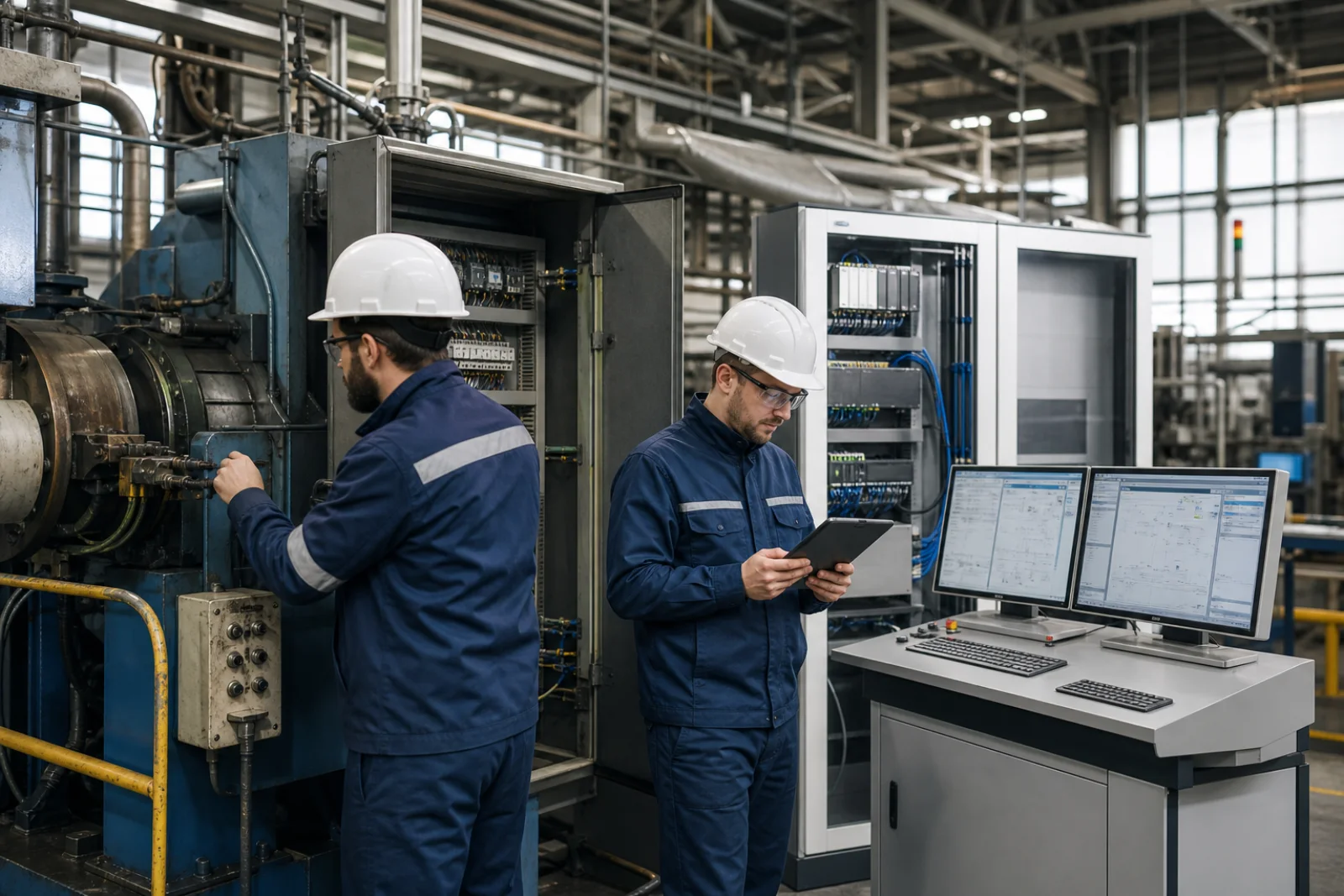







What Is Building Automation? Explore the Automation Process and Technologies together with the Benefits of Energy Efficiency, Comfort and Safety.
Building automation is the process of automating energy management, lighting, climate control and security systems within a building. As technology advances, these systems are becoming more intelligent, efficient and user-friendly. This article examines what building automation is, its benefits, how it is implemented and future trends.
What Is Building Automation?
Building automation centralises and automates the management of energy, lighting, climate control, security and other building services. These systems use multiple technologies to improve occupant comfort, increase energy efficiency and strengthen safety.
The fundamental components of building automation include:
- Sensors: Collect data by detecting environmental conditions such as temperature, humidity, light and movement.
- Control Systems: Analyse sensor data and manage lighting, heating, cooling and security systems.
- Software: Provides access to the automation system and enables users to interact through a graphical interface.
Benefits of building automation include:
- Energy Efficiency: Optimises energy consumption and generates savings.
- Comfort: Adjusts environmental conditions automatically according to occupant requirements.
- Safety and Security: Strengthens building protection through components including surveillance cameras, alarm systems and emergency lighting.
- Remote Control: Allows users to monitor and manage systems remotely through mobile applications or web interfaces.
Applications of Building Automation
Building automation is used across a broad range of facilities, from commercial buildings and homes to hospitals and hotels. Smart-building technologies save energy while improving the occupant experience.
As technology develops, building automation is becoming more widespread and gaining new capabilities. Users can consequently manage buildings more intelligently and efficiently.
Building automation systems include:
- Heating, Ventilation and Air Conditioning: Automatic control of the indoor climate.
- Lighting Control Systems: Automatic adjustment of lighting according to ambient conditions.
- Security Systems: Alarm, surveillance and access-control systems.
Technologies Used in Building Automation
Building automation operates through the integration of multiple technologies. These are critical to system efficiency, reliability and user experience. Digital solutions and smart devices make automation more effective and enable innovative applications in areas such as energy management and security.
Important technologies used in modern building automation include:
- IoT (Internet of Things): IoT enables building systems to be monitored and controlled remotely. Users can access their systems through mobile applications.
- Artificial Intelligence and Machine Learning: These technologies make automation systems more intelligent. A system can, for example, learn occupant patterns and use them to improve energy efficiency.
- Cloud Technology: Cloud-based solutions simplify data storage and analysis and make building-management platforms more accessible.
How Is Building Automation Implemented?
Building automation is a complex process that must be planned and implemented through defined stages. It begins with requirements analysis and continues through technology selection, installation, testing and commissioning. Each stage should be managed carefully to improve system efficiency and reliability. Appropriate planning and execution allow building automation to save energy, improve comfort and maximise safety.
A building automation project generally comprises the following stages:
- Begin with a requirements analysis. Define the building's needs and develop the appropriate system design.
- Install sensors, control panels and other components. All elements must be integrated into a complete system.
- Perform functional and performance testing after installation. If acceptance criteria are met, commission the system and place it into service.
- Provide regular maintenance and support to sustain long-term performance and efficient operation.
Conclusion
Building automation provides important benefits in energy efficiency, comfort and safety. With appropriate planning, installation and maintenance, these systems improve quality of life while reducing costs. Smart buildings will shape future construction and provide more sustainable solutions.