






Learn How to Implement Factory Automation with PCS 7 and BACH, Including Efficiency, Cost and Application Steps.
Industrial automation plays a critical role in making manufacturing processes more efficient and reliable. The PCS 7 platform and BACH control strategy stand out as two important components in modern automation projects. This article details their advantages and examines step by step how they can make factory automation more intelligent and efficient.
What Is Factory Automation?
Factory automation is the use of technology to control manufacturing processes. By reducing manual intervention, automation improves efficiency, minimises errors and lowers costs. Industrial automation encompasses the design and implementation of systems required to manage processes automatically within production facilities.
What Is PCS 7?
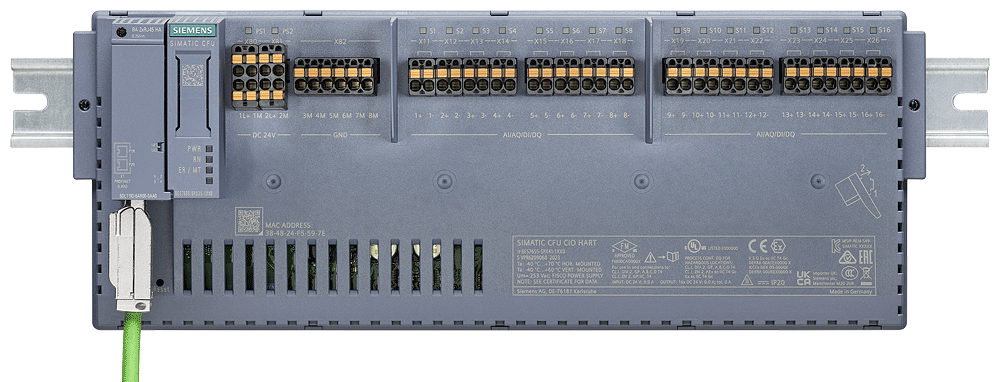
PCS 7 is a control and management platform developed for industrial automation systems. Its core components include hardware such as RTUs and PLCs and software including WinCC and SIMATIC Manager. The modular architecture of PCS 7 enables it to adapt to different manufacturing processes, while its operator interfaces support more effective process management.
Advantages of PCS 7:
- Integration with different system components.
- Adaptability to the requirements of different industries.
- Systems designed to minimise errors and provide high availability.
What Is BACH?
BACH is software developed for process automation. In addition to enabling process automation through a user-friendly interface, it provides real-time data analysis and monitoring. BACH is commonly used in process-control applications and can integrate with other automation software.
Advantages of BACH:
- Provides real-time visibility of process status.
- Offers data analytics that support decision-making.
- Works compatibly with other automation systems.
How Is Factory Automation Implemented with PCS 7 and BACH?
Factory automation has become an indispensable part of modern manufacturing. PCS 7 and BACH provide powerful tools for automating production facilities. This combination of software and hardware optimises manufacturing, improves efficiency, reduces costs and minimises human error. The modular structure of PCS 7 provides flexibility, while the BACH interface simplifies process monitoring and control.
Factory automation with PCS 7 and BACH:
- Step 1: Begin by defining the requirements of the factory-automation project. Objectives must be clear, production processes should be analysed and the areas requiring automation identified.
- Step 2: After requirements have been established, select the appropriate hardware and software components for PCS 7 and BACH. Develop the system architecture, including how data will flow and where control points will be located.
- Step 3: Build the control system in PCS 7 and develop the process-automation applications in BACH. Software engineering should address interface design, database management and process-control algorithms.
- Step 4: Testing is critical to identifying and correcting faults. After commissioning, verify that the automation system delivers the required operational efficiency.
Potential Challenges and Their Solutions
Common challenges in automation projects include user training and system integration. Continuous training and support services help overcome these issues. Potential challenges and appropriate responses include:
- System-Integration Challenges: Perform a system analysis, select compatible components and use standard communication protocols.
- User Training and Competence: Provide comprehensive training programmes and opportunities for continuous development.
- High Initial Investment: Calculate the long-term return on investment and plan phased expansion using modular systems.
- System Failures and Maintenance Challenges: Implement proactive maintenance strategies and planned service programmes, and use redundant system architectures where required.
- Security Risks: Apply controls including firewalls, VPNs and encryption, and provide users with appropriate security training.
- Data Management and Big-Data Analytics: Use tools capable of real-time data analysis and establish effective processes for interpreting operational information.
Conclusion
Factory automation implemented with PCS 7 and BACH can provide an effective way to improve organisational efficiency. With the right analysis, design and implementation process, automation systems can increase a factory's production capacity significantly.