






Manufacturing Control Systems Provide Critical Solutions for Reducing Costs and Improving Quality across Multiple Industries.
As digitalisation accelerates, manufacturing is changing rapidly. Faster and more efficient production operations have become essential, and conventional control methods are often insufficient in today's competitive environment. Comprehensive manufacturing-control platforms such as Opcenter digitise processes end to end, improve traceability and provide flexible solutions that advance operational performance. Where, then, are these systems used?
Applications of Manufacturing Control Systems: The Opcenter Example
Opcenter is a comprehensive platform for managing and controlling manufacturing operations. By focusing on production digitalisation, it helps manufacturers improve efficiency and can be deployed across many industries and production models. The principal applications of manufacturing control systems are outlined below.
Manufacturing Execution (MES—Manufacturing Execution Systems)
Opcenter's Manufacturing Execution System manages and monitors all shop-floor processes in real time. Its applications include:
- Production Process Management: Monitor what is being manufactured at every stage, current progress and operator status. You can see when an order begins, which stage it has reached and whether it has been completed.
- Product Tracking: Track every component, raw material and semi-finished item used in production and understand which materials were consumed by each product. If a problem occurs, genealogy and traceability records reveal where the relevant component originated.
- Time Optimisation: Plan equipment allocation and work-order sequencing to improve production efficiency. Work progresses faster and resources are used more effectively.
Quality Management
Opcenter Quality monitors and controls quality from end to end. Inspection at every stage detects and prevents defects early. Its functions include:
- Quality Control: Quality measurements are performed continuously on the production line. Products are checked against defined standards so that nonconformities are detected early.
- Standards Compliance: The platform supports organisations required to comply with international quality standards such as ISO. It records processes and gathers the information needed for audits.
- Testing and Certification: Verify that products have been tested correctly and that required certificates of conformity have been obtained.
Supply-Chain Management
Opcenter tracks the production process from raw material to finished product and provides control across the supply chain. Applications include:
- Inventory and Material Management: Ensure that raw materials required for production are available on time and prevent disruption. Continuous inventory monitoring identifies shortages immediately.
- Supplier Performance Monitoring: Monitor the quality and delivery performance of incoming materials to support informed supplier decisions.
- Production Visualisation: Monitor and optimise every production step transparently. See where raw materials are located, which stage they have reached and when the finished product will be completed.
Advanced Planning and Scheduling (APS)
Opcenter APS enables production processes to be planned more intelligently. It considers factory capacity and determines how work can be executed rapidly and efficiently.
- Capacity Planning: Optimise production capacity according to available machines, personnel and raw materials. Assigning work to idle equipment, for example, helps prevent wasted capacity.
- Production Scheduling: Create schedules aligned with the operation of the production line and determine when each machine will run and which employee will perform each task.
- Scenario Simulation: Simulate different responses to unexpected production events and identify an effective solution before changing the live plan.
Performance Management
Opcenter's performance-management capabilities monitor and report how efficiently a factory operates, evaluating both equipment and personnel.
- KPI Monitoring: Track key performance indicators to determine whether objectives are being achieved, including production output and material consumption.
- Real-Time Monitoring: Monitor machine and workforce performance continuously so that problems or disruption can be identified and corrected immediately.
Maintenance Management
Opcenter supports maintenance planning to keep production lines operating reliably. Planned interventions help prevent problems instead of waiting for equipment to fail.
- Planned Maintenance: Create regular maintenance programmes that prevent failures, extend equipment life and minimise unexpected disruption.
- Repair Management: Manage repair activities rapidly when equipment fails and return the production line to service as soon as possible.
- Asset Inventory Management: Track production equipment and view information including maintenance history and current condition.
Integration with Product Lifecycle Management (PLM)
Opcenter integrates manufacturing with product lifecycle management systems such as Teamcenter, connecting processes seamlessly from design through production.
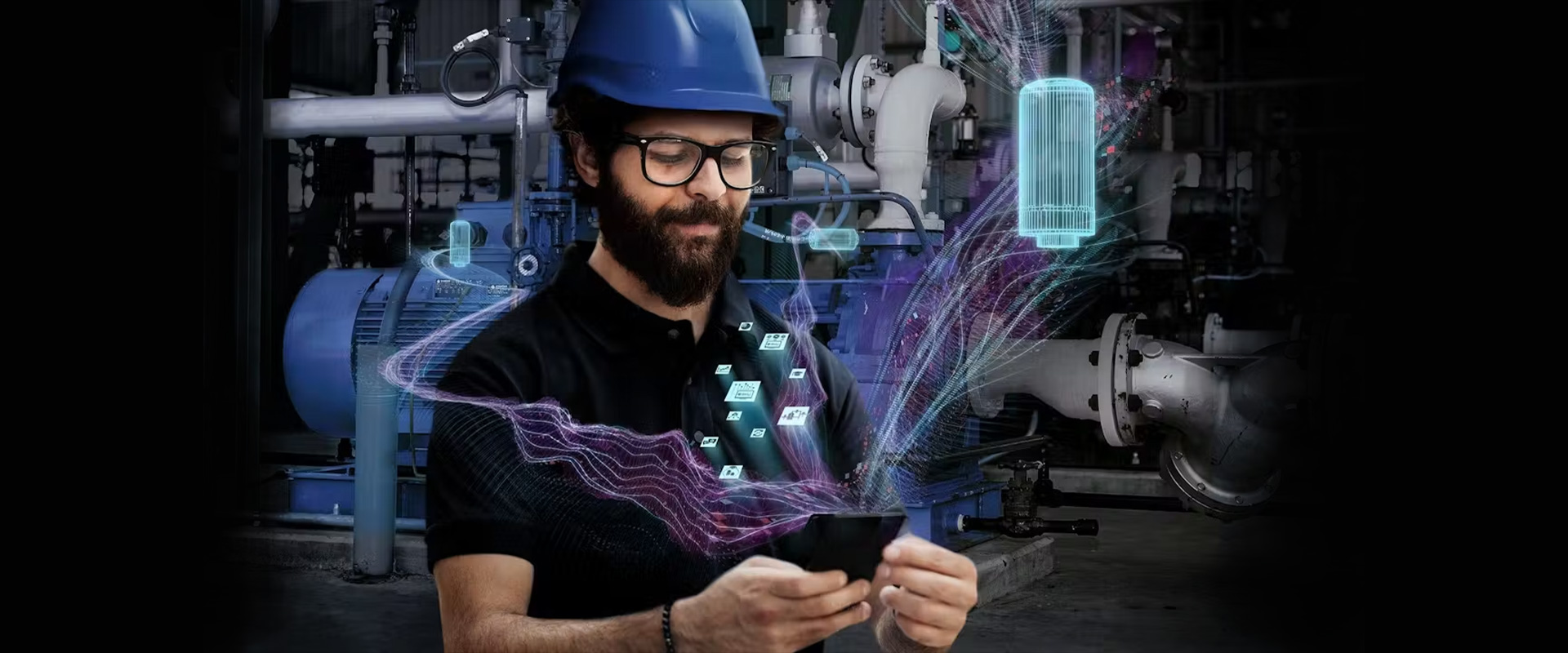
- Digital Twin: Create a digital representation of the physical production line to test and improve processes virtually, identifying problems before manufacturing begins.
- Design and Manufacturing Integration: Reflect design changes immediately in production plans and keep engineering and manufacturing teams synchronised.
Energy and Environmental Management
Opcenter energy-management capabilities monitor energy consumption in manufacturing and support lower environmental impact.
- Energy-Consumption Monitoring: Track the energy consumed by each machine to identify savings and reduce costs.
- Reducing Environmental Impact: Monitor production-related carbon emissions and environmental effects to support the transition to more sustainable manufacturing methods.
Industry Applications
Opcenter provides industry-specific solutions designed around different operational requirements:
- Automotive: Precise monitoring and control of component manufacturing and assembly.
- Pharmaceuticals and Biotechnology: Regulatory compliance, traceability and quality management in pharmaceutical production.
- Electronics: Fast, accurate process management in high-volume manufacturing.
- Food and Beverage: Food safety, quality control and production-recipe management.
Manufacturing Control Systems
Speed and efficiency have become decisive factors in manufacturing success. Digitalising production processes is therefore essential to competitive advantage and operational excellence. Opcenter is a powerful platform for this transformation, providing comprehensive control and traceability throughout manufacturing.
Whether the priority is manufacturing execution, quality management or supply-chain optimisation, Opcenter provides solutions that improve factory efficiency, minimise errors and support sustainability. For organisations seeking to advance production and lead digital transformation, Siemens Opcenter offers a strong foundation.