






Autonomous Robots Improve Efficiency and Speed in Intralogistics Warehouse Processes while Reducing Costs and Operational Errors.
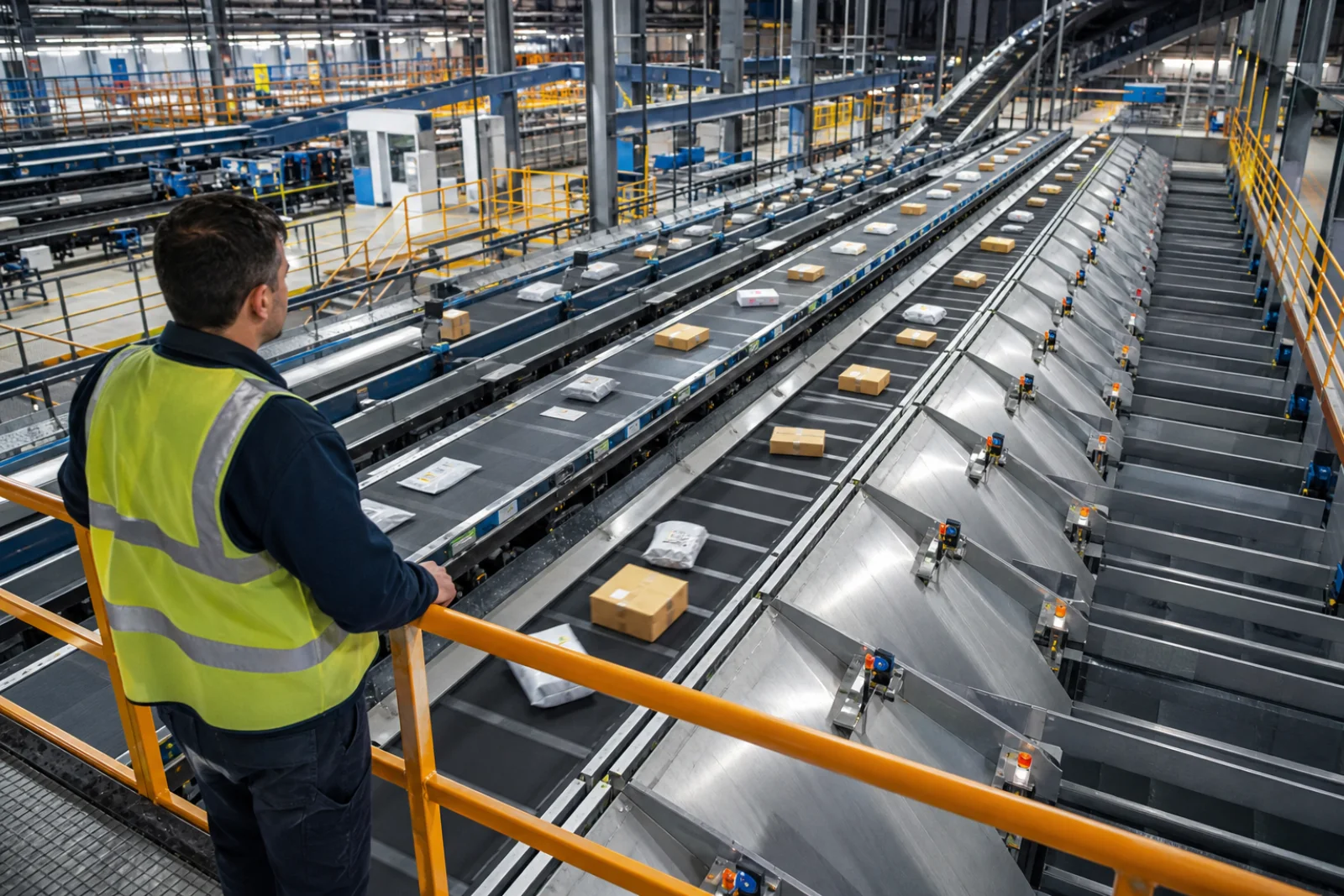
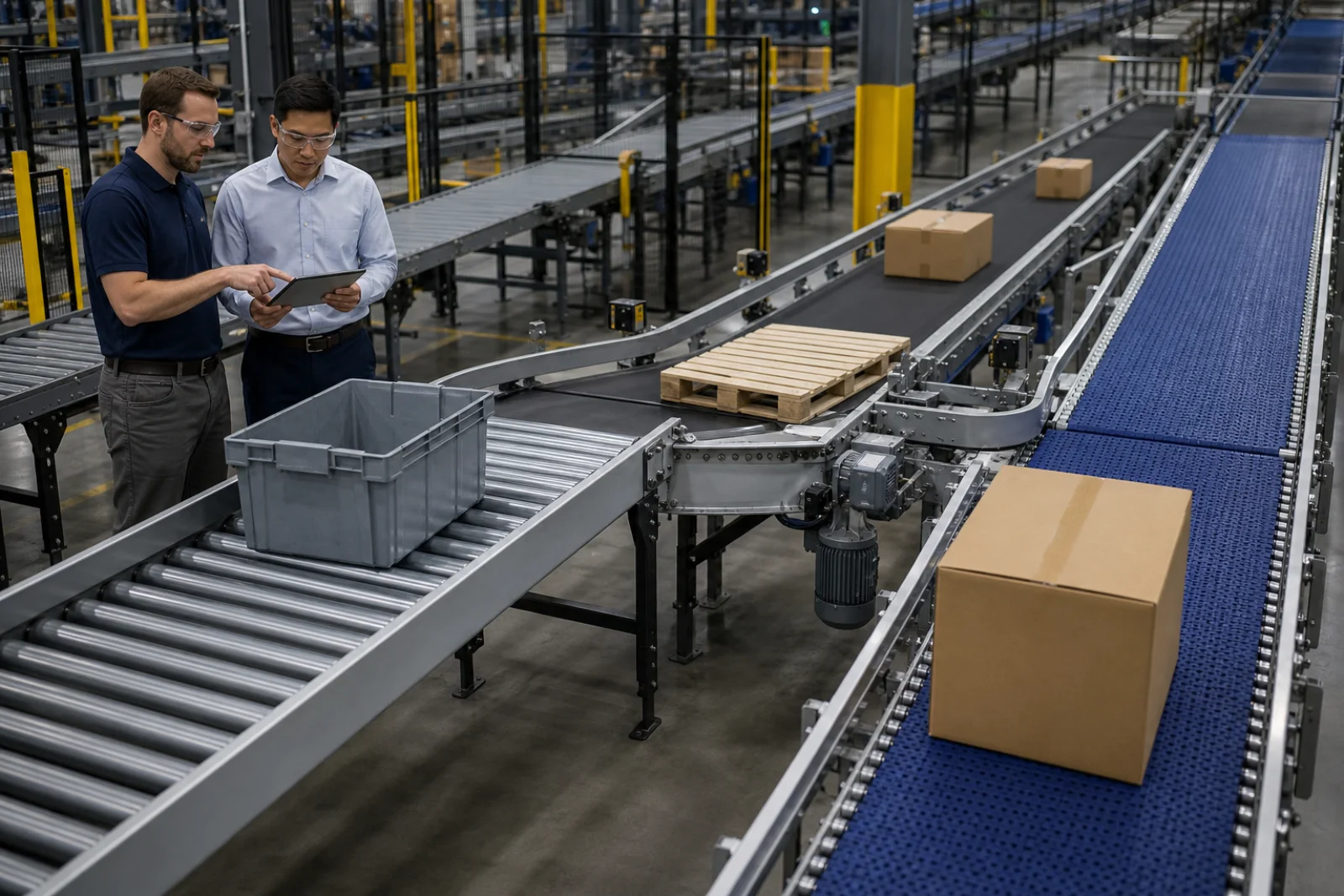
The logistics industry is undergoing a major transformation driven by technological advances. The time losses and errors associated with conventional methods are encouraging organisations to seek smarter, more efficient solutions. Autonomous robots are becoming increasingly common in warehouse operations, making intralogistics—the management of internal warehouse flows—far more organised and effective.
In this article, we examine how autonomous robots are integrated into warehouse management, the benefits they provide and the transformation they are expected to create in the future.
The Role of Autonomous Robots in Warehouse Management
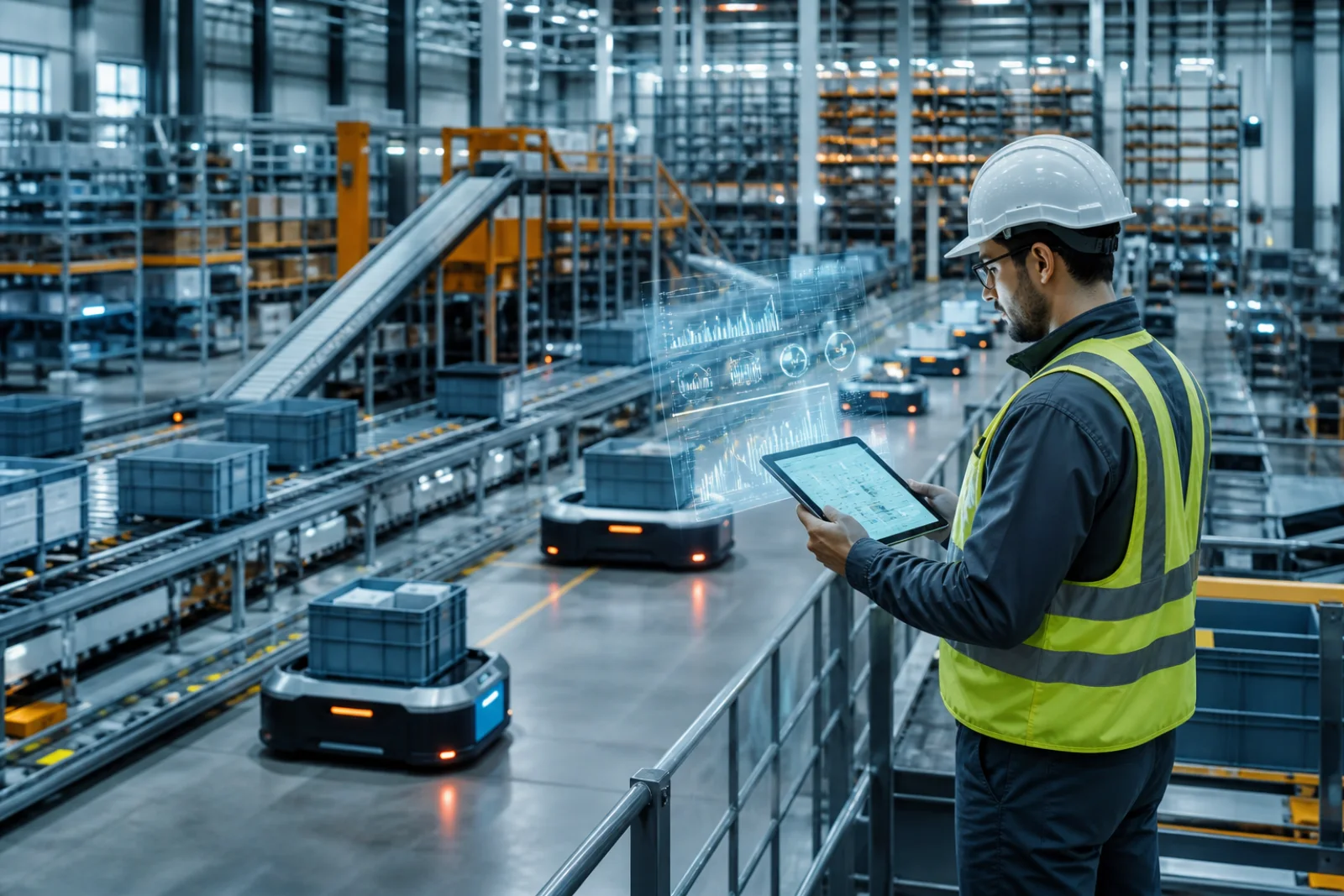
Autonomous robots are intelligent systems designed to perform tasks such as load transport, order picking and inventory management within a warehouse. Using artificial intelligence, sensors and advanced software, they perceive their surroundings and navigate independently. Organisations operating large warehouses can use these robots to reduce operational costs and accelerate their processes.
Autonomous mobile robots (AMRs) and automated guided vehicles (AGVs), in particular, optimise internal material flow and improve workforce productivity. Some can collect products from storage locations and carry them to packing areas, while others can be programmed to transport loads along predetermined routes.
Digital Transformation in Intralogistics and the Benefits of Autonomous Systems
The wider adoption of autonomous robots in intralogistics is changing the fundamental dynamics of warehouse management. One of the most significant benefits is the improvement in speed and efficiency. Order-preparation performance using conventional methods can vary according to human factors, whereas autonomous robots help standardise these processes. Because robots can also operate continuously, productivity rises substantially.
Another major benefit is the reduction in error rates. Human errors frequently occur in tasks such as inventory tracking, order preparation and material handling. Robotic systems use advanced sensors and AI-assisted algorithms to minimise these risks, reducing problems such as incorrect shipments and missing inventory.
The cost advantage should not be overlooked. Although an initial investment in autonomous robots may appear substantial, it can generate considerable long-term savings. Lower labour requirements, faster operational cycles and fewer errors are among the factors that strengthen an organisation's competitiveness.
What Will Warehouse Management with Autonomous Robots Look Like in the Future?
As technology advances, AI-assisted decision-making will become increasingly prominent in warehouse management. Robots will evolve beyond machines that perform predefined tasks into intelligent systems capable of analysing and managing complete warehouse operations for optimum efficiency.
Integration with the Internet of Things (IoT) will increase real-time data exchange between robots and make warehouse processes more intelligent. Inventory levels, for example, will be monitored continuously through sensors, and replenishment can be initiated automatically when stock is running low. This will provide organisations with significant advantages in inventory management.
As end-to-end automation becomes more widespread, collaboration between people and robots will also gain importance. Robots will take responsibility for heavy and repetitive work, while people focus more on supervision and management. This shift will change workforce allocation and allow employees to assume more strategic roles.
Key Considerations When Transitioning to Autonomous Robots
Organisations planning to strengthen warehouse operations with autonomous robots should consider several important steps. A detailed needs analysis must first identify which processes are suitable for automation. The same robotic solution will not suit every warehouse, making selection of the right system a critical decision.
Infrastructure compatibility and integration must also be managed carefully. Seamless communication between robots and existing warehouse-management systems is essential for an efficient automation process. Training programmes should also be provided to help employees adapt to the new systems.
Finally, a cost-benefit analysis should be completed with the expected return on investment (ROI) in mind. When the long-term savings and operational efficiency delivered by autonomous systems are considered, the potential return can be highly attractive.
Key Takeaways and Conclusion
Autonomous robots are creating a fundamental transformation in logistics and warehouse management. Benefits such as higher efficiency, lower costs and reduced error rates continue to increase interest in these technologies.
In the future, warehouse processes will become significantly more intelligent through the integration of technologies such as artificial intelligence and the Internet of Things. Organisations that adapt to this transformation early can secure a competitive advantage while building more sustainable and efficient operations.
You can begin evaluating autonomous robot solutions today to make your warehouse operations smarter.