






Manufacturing execution systems (MES) monitor, control and optimise manufacturing processes. The information provided by MES helps decision-makers understand how the subsystems involved in production are interconnected, supporting continuous improvement. MES provides an effective means of connecting enterprise-level operations with station-level control on the shop floor. It therefore exchanges data with the automation layer, including programmable logic controllers (PLCs) and supervisory control and data acquisition (SCADA) systems. Manufacturing operations management (MOM) extends the functionality of MES and can encompass every activity required to achieve operational excellence, from quality management to capacity management.
IoT and MOM/MES integration refers to the seamless combination of manufacturing execution systems—including MES and manufacturing operations management—with Internet of Things (IoT) technologies in an industrial environment. It involves connecting and integrating devices, sensors, machines and systems throughout the manufacturing environment to collect real-time data and enable effective control and optimisation of production processes.
As a software-based solution, MES/MOM is designed to manage and control manufacturing operations on the shop floor.
- It helps bridge the gap between enterprise resource planning (ERP) systems and the actual execution of manufacturing activities.
- MES provides functions such as resource allocation, production planning, quality management, inventory tracking and performance monitoring.
IoT, on the other hand, refers to a network of physical devices equipped with sensors, software and connectivity that enable data collection and exchange. These devices can range from simple sensors to complex machinery and equipment. IoT allows them to communicate and interact with one another and with central systems, enabling advanced automation, data-driven decision-making and improved operational efficiency.
When MES/MOM and IoT are integrated, they create a synergistic environment in which real-time data from IoT devices flows seamlessly into the MES platform. This integration enables more accurate and timely data-driven insight, allowing manufacturers to optimise production processes, improve quality control, reduce downtime and increase overall operational efficiency.
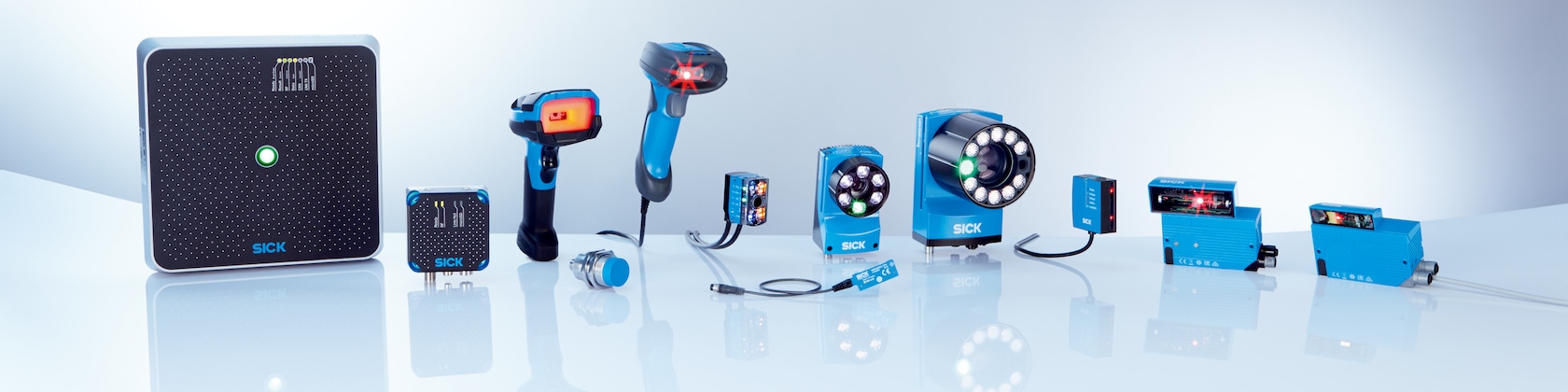
- In IoT and MES/MOM integration, data from IoT devices—including sensors, RFID tags and intelligent machines—is collected in real time and transmitted to the MES.
- The MES then processes and analyses the data, producing actionable information and facilitating decision-making at different levels of the organisation.
- This integration provides a comprehensive view of production processes, supports material and product traceability, monitors equipment performance and enables predictive or proactive maintenance strategies.
Overall, integrating MES with IoT empowers manufacturing engineers and factories to use real-time data, automation and connectivity to achieve operational excellence, optimise resource utilisation and drive continuous improvement.
The principal reasons why MES and IoT integration is so important include:
- Real-Time Data Collection and Monitoring: Integrating MES with IoT enables real-time data to be collected from IoT devices and sensors deployed throughout the production process. This information creates operational visibility, allowing you to monitor KPIs, track production status and identify issues as they arise.
- Enhanced Visibility and Traceability: Integrating IoT devices with MES/MOM delivers improved visibility and traceability across the complete manufacturing process. IoT sensors and devices can track and monitor materials, components and finished products throughout the supply chain. This enables you to identify bottlenecks, optimise workflows, improve inventory management and demonstrate compliance with quality and regulatory standards.
- Predictive (Proactive) Maintenance and Optimisation: MES and IoT integration enables proactive maintenance strategies based on real-time equipment data. IoT sensors can monitor machine condition, detect anomalies and predict potential failures or maintenance requirements. Using this information, you can schedule maintenance proactively, reduce unplanned downtime, optimise equipment performance and minimise the risk of costly failure.
- Automation and Efficiency: Integrating MES with IoT enables a variety of processes to be automated. IoT devices and sensors can automate data collection, equipment control and inventory management, reducing manual intervention and human error. Automation improves process efficiency, shortens cycle times and increases throughput. It also frees resources to focus on value-added work, innovation and problem-solving.
- Data-Driven Decision-Making: MES and IoT integration provides a rich source of real-time data for evidence-based decisions. Analysing this information delivers valuable insight into process performance, reveals patterns and supports informed action to optimise operations, improve product quality and meet customer demand effectively. Data-driven decision-making helps organisations remain competitive, agile and responsive in a rapidly changing market.
- Scalability and Flexibility: MES and IoT integration provides the scalability and flexibility needed to adapt to evolving manufacturing requirements. As the environment develops, new IoT devices and sensors can be integrated readily into the existing MES infrastructure. This flexibility allows organisations to adopt emerging technologies, respond to changing production needs and remain ahead in a dynamic industry. By combining the power of IoT with MES, manufacturers can transform operations, accelerate innovation and secure a competitive advantage in today's digital manufacturing environment.