






Effective Methods for Saving Space and Time, Improving Efficiency and Reducing Costs in Intralogistics with Vertical Storage Solutions.
Vertical storage solutions optimise storage capacity by using the available height of a facility. Designed to store more products where floor space is limited, these systems replace horizontal expansion with high-bay structures and automated equipment. More materials can therefore be stored within a smaller footprint.
Intralogistics refers to an organisation's internal logistics processes, and the efficient management of these processes directly affects operational performance. Vertical storage solutions enable products to be stored more effectively and accessed rapidly within intralogistics operations. This saves time and space while helping reduce costs.
Advantages of Vertical Storage
Vertical storage solutions provide organisations with a broad range of benefits, including space savings, faster processes, workforce efficiency and economic gains. Each can deliver important improvements for both large-scale warehouses and smaller operations.
Space Savings
Vertical storage systems offer a major advantage to organisations operating with limited space. High-bay structures reduce the horizontal footprint and store products efficiently across the available height. More items can consequently be held within a smaller storage area. Vertical storage is particularly valuable for businesses operating in urban locations or space-constrained facilities.
Time Savings
Automated storage and retrieval systems accelerate material flow. Products within vertical storage systems are positioned systematically in defined locations, reducing the time required to search for and locate materials. Rapid product access increases operational speed, while automated equipment and robots place and retrieve items quickly. Workforce productivity improves as a result.
Workforce Efficiency
Vertical storage uses automated systems to reduce manual labour requirements. Robots and automated machines perform movements that would otherwise require manual handling, allowing employees to focus on other important tasks. This improves workforce productivity and helps reduce errors.
Vertical Storage Solutions and Intralogistics Processes
Vertical storage solutions enable products to be stored systematically and rapidly in warehouses, factories and distribution centres. Sorting, movement and distribution processes therefore become more efficient.
Automated storage and retrieval systems (AS/RS) also optimise material flow. They accelerate warehouse operations and reduce errors in inventory management. These systems position products in the most efficient locations, allowing the storage layout to be optimised continuously.
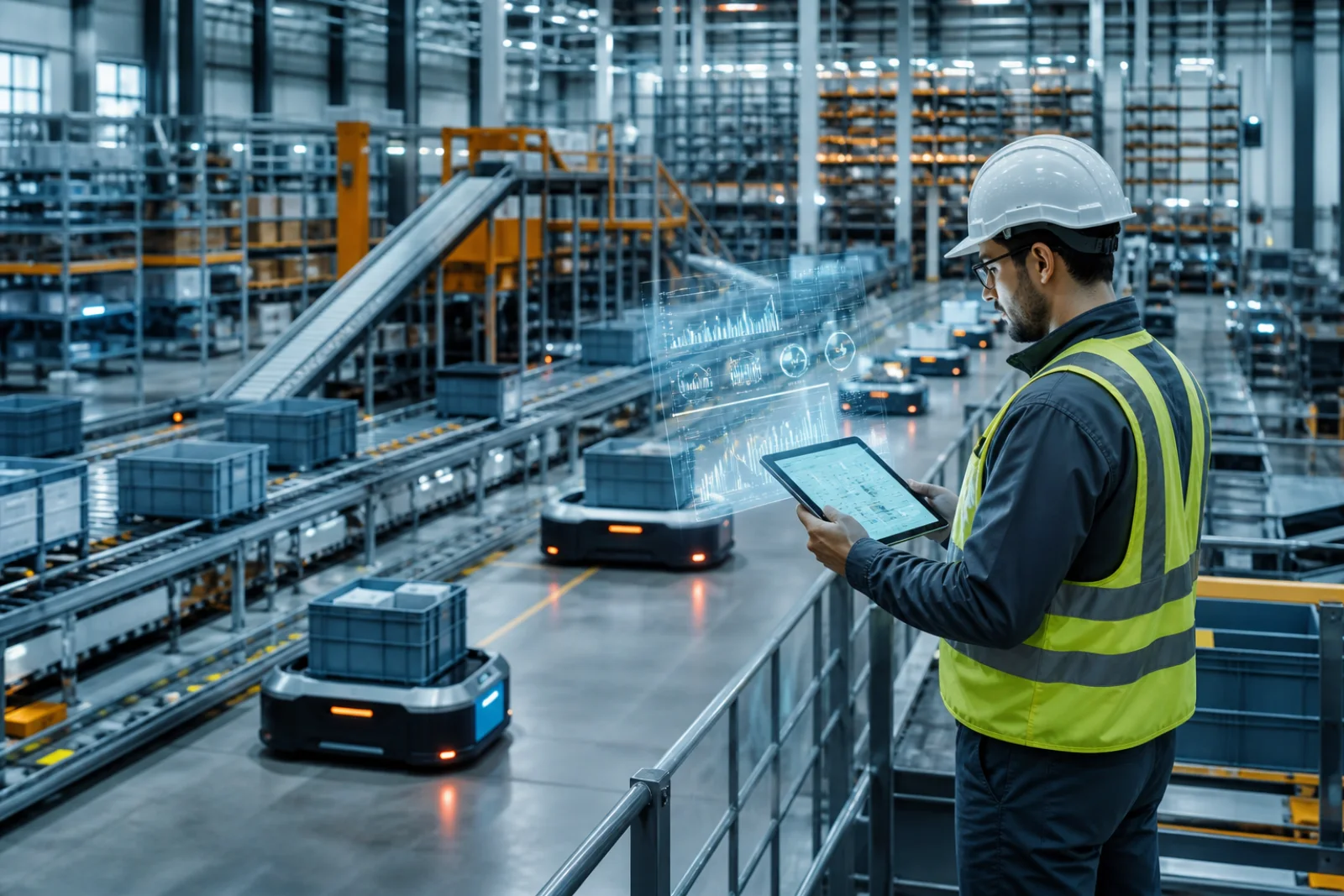
Vertical storage can also be integrated with robotic solutions. Robots transport materials within the warehouse, reducing manual labour and moving products rapidly to the correct locations. Technologies such as mobile racking and robotic transport vehicles can be integrated with vertical storage to improve performance further.
Economic Benefits and Sustainability
Vertical storage solutions can reduce costs significantly. By using available volume efficiently, organisations reduce their need for larger and more expensive warehouse facilities. Labour savings are also possible because automated storage systems execute more transactions with fewer manual resources.
Energy efficiency is another important advantage of vertical storage. Modern systems are engineered to operate with low energy consumption, helping organisations lower operating costs while adopting a more environmentally responsible approach.
Vertical storage solutions can also be manufactured using environmentally responsible materials. Combined with low energy consumption, this helps organisations reduce their carbon footprint and support sustainability objectives.
Factors to Consider When Selecting a Vertical Storage Solution
When selecting a vertical storage system, the right solution strategy should be defined around the organisation's requirements. Available storage volume, material characteristics and operational throughput must all be considered. System integration and budget are also important factors in selecting the appropriate technology.
Software integration is another critical consideration. To operate with maximum efficiency, vertical storage systems should integrate with warehouse-management software. These platforms monitor inventory levels, optimise product locations and ensure that orders are processed accurately.
Key Takeaways and Conclusion
Vertical storage solutions do more than save time and space. They also provide substantial benefits in workforce productivity and operating economics. By creating a faster and more efficient material flow across intralogistics processes, they help organisations improve overall performance.
Selecting the right vertical storage solution can therefore generate significant operational and economic gains. In addition to lowering costs, these systems contribute to sustainability by providing environmentally responsible and energy-efficient storage infrastructure.