






Forklift Robots Improve Efficiency in Logistics, Manufacturing and Construction through Mobile Robot Technology. Explore the Benefits of Autonomous Systems.
As technology advances, automation is becoming increasingly important in industrial processes. Forklift robot technology—autonomous forklifts—is transforming warehousing and logistics. Mobile robots are among the most important innovations in this field. This article examines forklift robot technology, its benefits and applications.
Forklift Robot (Mobile Robot) Technology
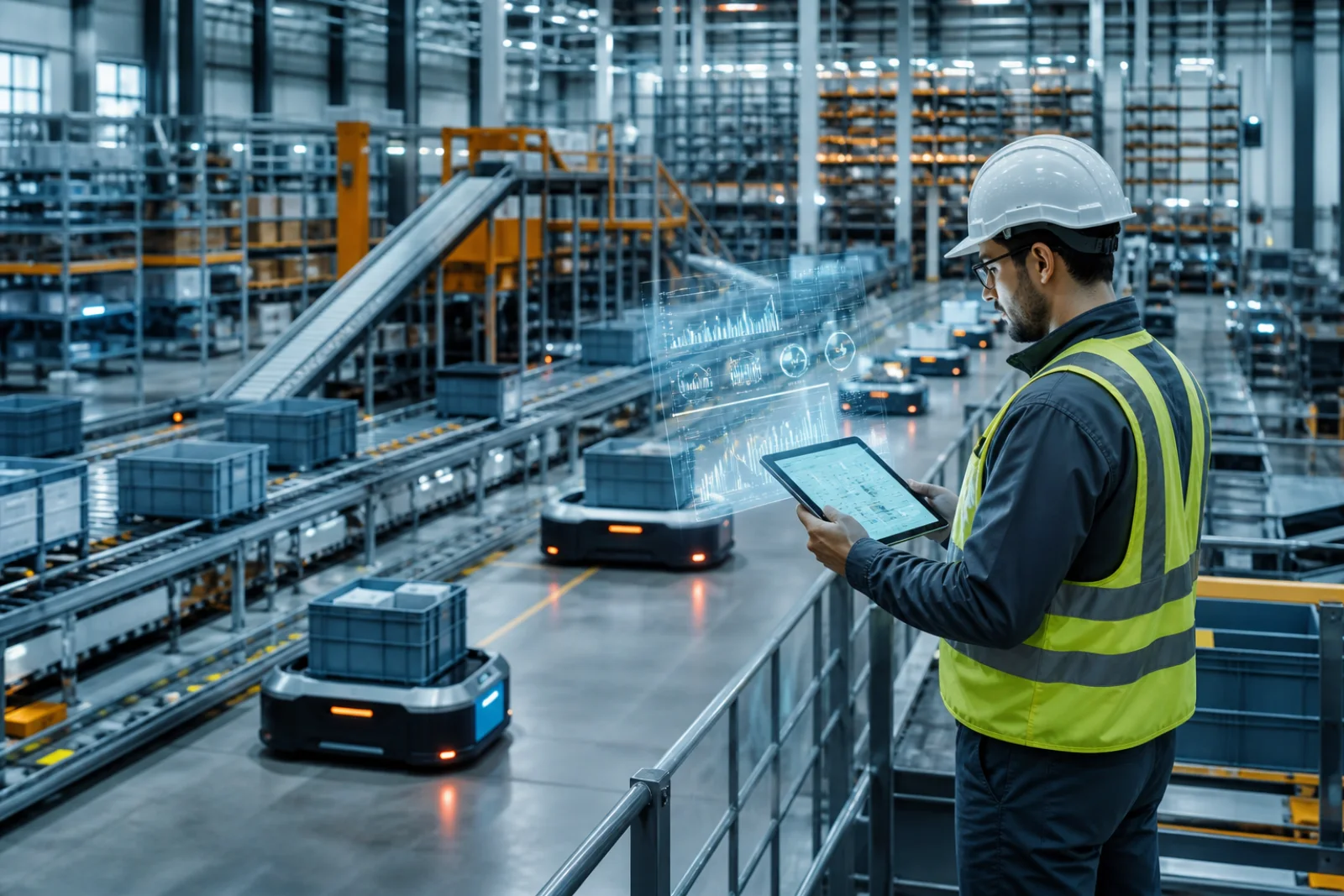
Automation plays a vital role in improving efficiency and optimising processes across modern industry. Forklift robots, and mobile robot technology in particular, are transforming material handling and warehouse management. Using autonomous navigation, sophisticated perception and artificial intelligence, these robots transport loads safely and rapidly. Mobile robots provide cost advantages, improve workforce productivity and strengthen competitiveness, making them an important technology shaping the future of industry.
Technical Capabilities
A mobile robot forklift is an advanced autonomous handling system. Its ability to move independently is one of its defining characteristics. Sophisticated perception systems detect surrounding obstacles and support safe navigation. Sensors and cameras scan the environment continuously, enabling fast and accurate decisions.
Artificial intelligence and machine learning can enhance mobile robot functionality. As the robot collects new operational data, its decision-making can improve, enabling more efficient and safer performance over time.
Operating Principle
Forklift robots use mapping and navigation technology to understand their surroundings. The robot first builds or receives a map of its operating environment. During load transport, autonomous forklifts select an efficient route to save time and energy. This reduces labour costs and improves throughput.
Benefits of Forklift Robots
The benefits of forklift robots include:
- Higher Efficiency: Autonomous forklifts can operate continuously and provide round-the-clock service with limited human intervention. This accelerates processes and allows more work to be completed within the same period.
- Lower Labour Costs: Forklift robots reduce manual staffing requirements. Personnel can be redirected towards strategic responsibilities such as management, supervision and exception handling.
- Fewer Human Errors: Human error can cause serious disruption in logistics. Autonomous forklifts provide accurate, repeatable movements and make transport more reliable.
- Improved Safety Standards: Forklift accidents are a common workplace risk. Autonomous mobile robots use safety sensors to detect hazardous situations immediately and help prevent collisions.
Applications of Forklift Robots
Forklift robots serve a broad range of industries. Examples include:
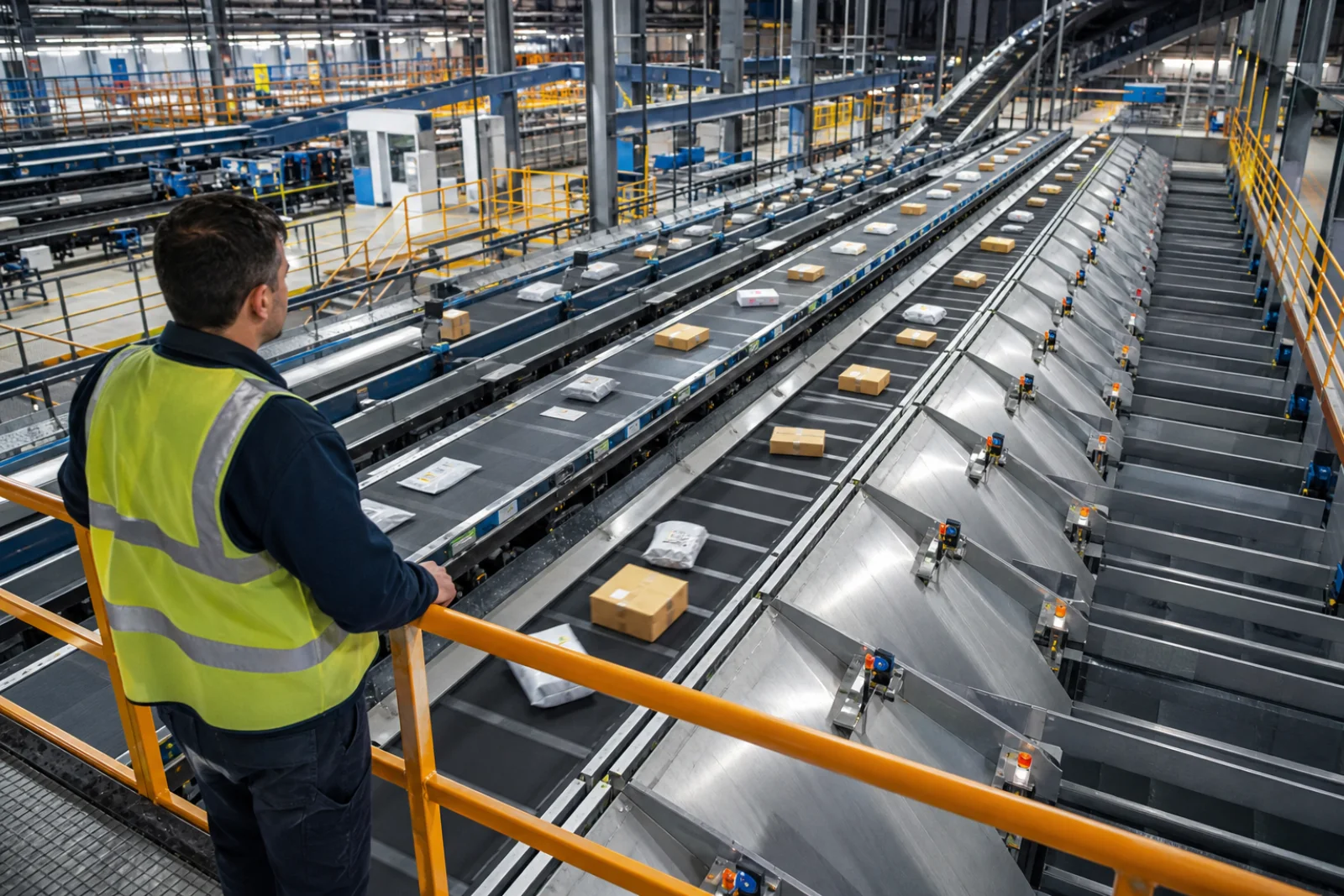
- Logistics and Warehousing: Forklift robots play a critical role in warehouse management. They automate material transport and support more orderly, efficient operations. Mobile robots can perform automatic loading and unloading at racking and transfer stations, saving time while reducing errors.
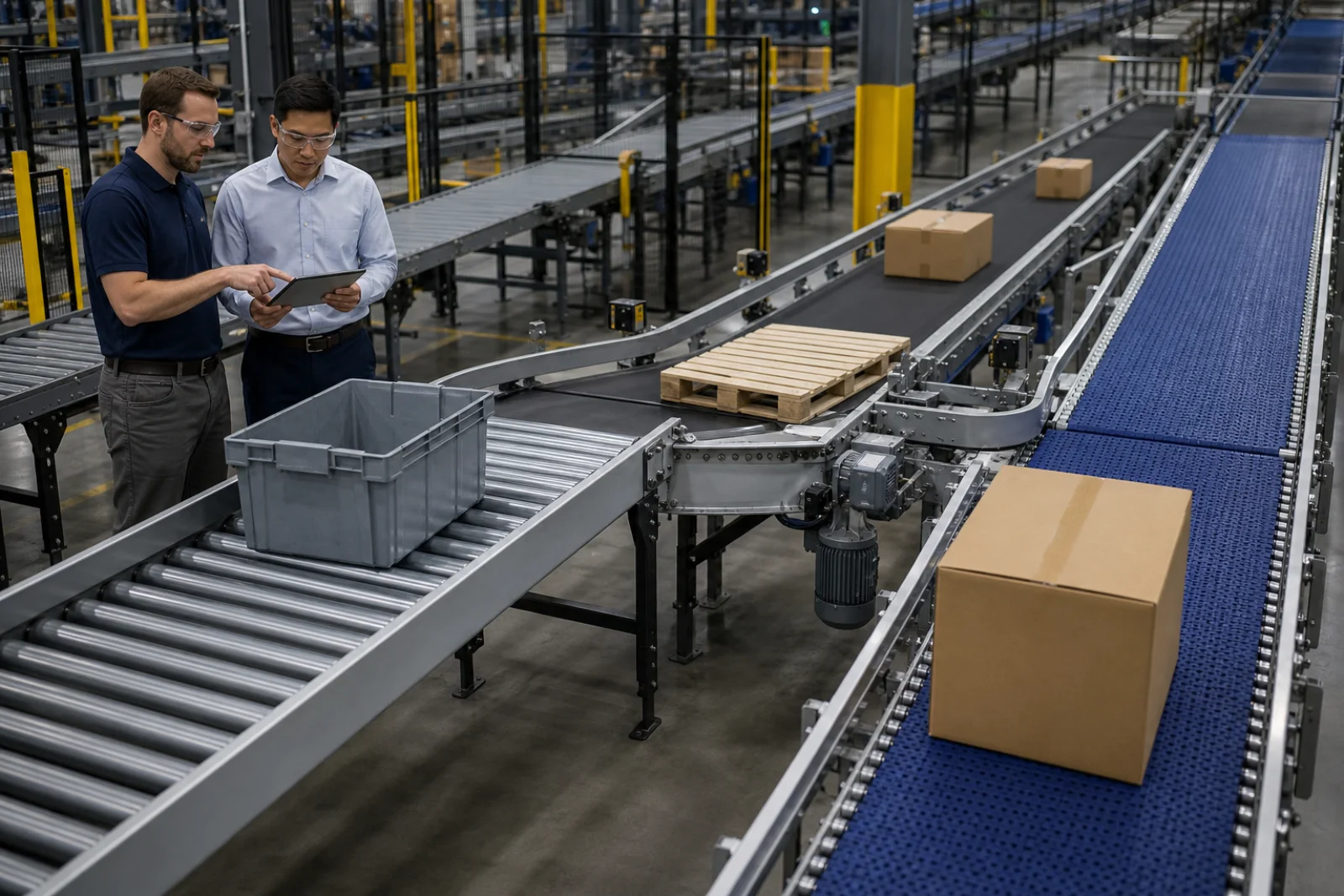
- Manufacturing Facilities: Internal material flow is essential to uninterrupted production. Forklift robots transport raw materials and finished products rapidly, reducing waiting times and improving line performance.
- Retail: Forklift robots make inventory management and order preparation more efficient. Automated handling can accelerate product movements and order preparation, improving customer service while reducing the physical workload on employees.
- Construction: Moving materials on construction sites can be time-consuming. Forklift robots can accelerate site logistics, and their ability to transport large, heavy loads can support faster project delivery.
Forklift Robot (Mobile Robot) Technology and Applications
Forklift robots represent a transformational innovation in industrial processes. Autonomous navigation provides benefits including higher efficiency, lower labour costs and improved safety. With applications across logistics, manufacturing, retail and construction, forklift mobile robots will continue to play an important role in future material-handling operations.