






Autonomous Robots Accelerate Logistics and Warehousing, Improving Efficiency and Reducing Costs. Explore the Technology Shaping the Future.
Autonomous robots have become an indispensable part of logistics and warehouse systems. They are transforming processes across the value chain, from manufacturing to distribution, and making operations more efficient. This article examines how autonomous robots are used in logistics and warehousing, the benefits they provide and their future potential.
Autonomous Robots
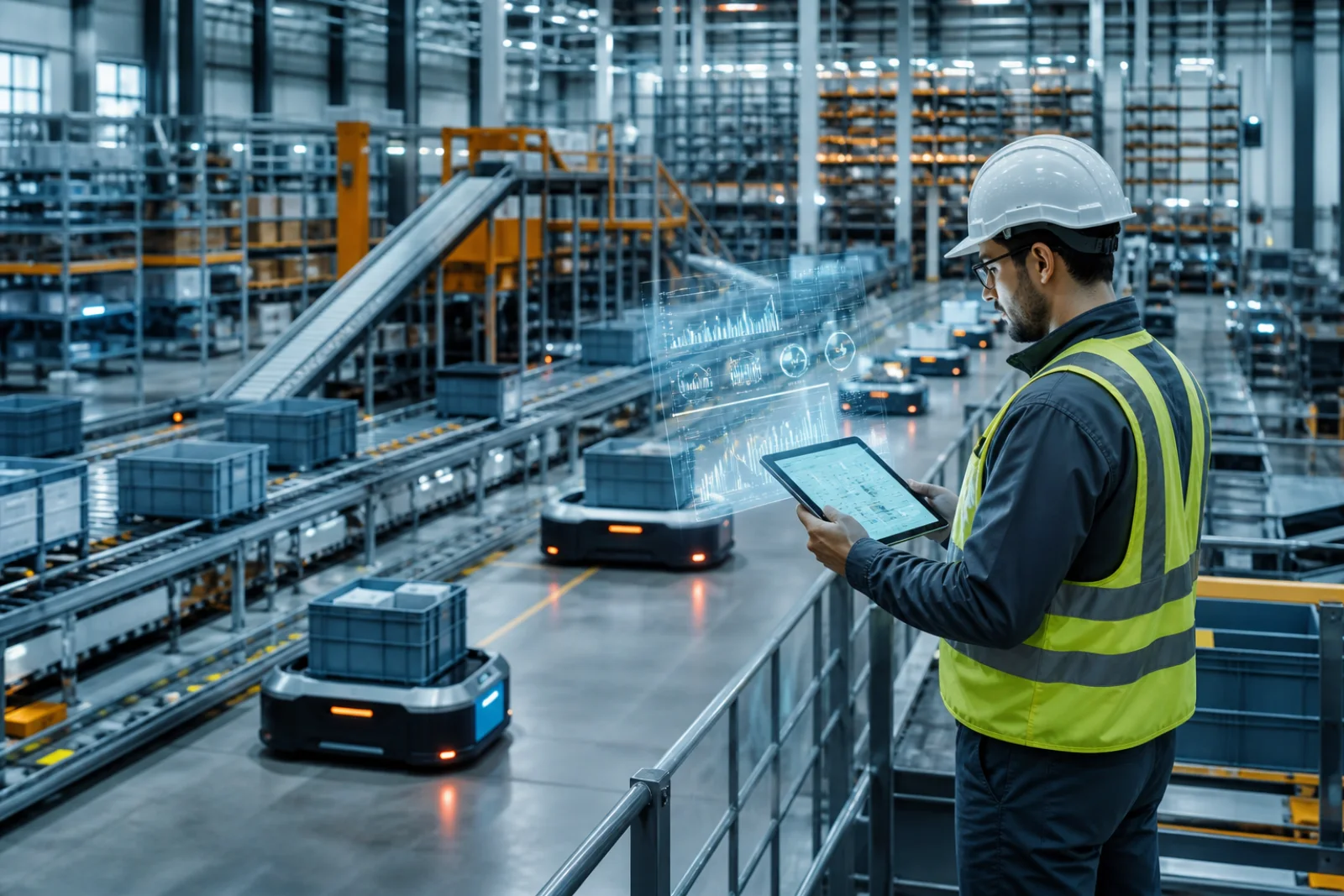
Autonomous robots can perceive and analyse their environment, then move independently on the basis of that information. They incorporate advanced technologies including artificial intelligence, sensors and machine learning. As a result, they can perform defined tasks without continuous human intervention.
Autonomous robots are distinguished by their ability to transform operational processes. In addition to improving efficiency, advancing technology enables these systems to reduce errors and costs while allowing personnel to focus on more strategic activities.
The roles of autonomous robots in logistics include:
- They transport materials within warehouses, moving products rapidly and safely while improving warehouse efficiency.
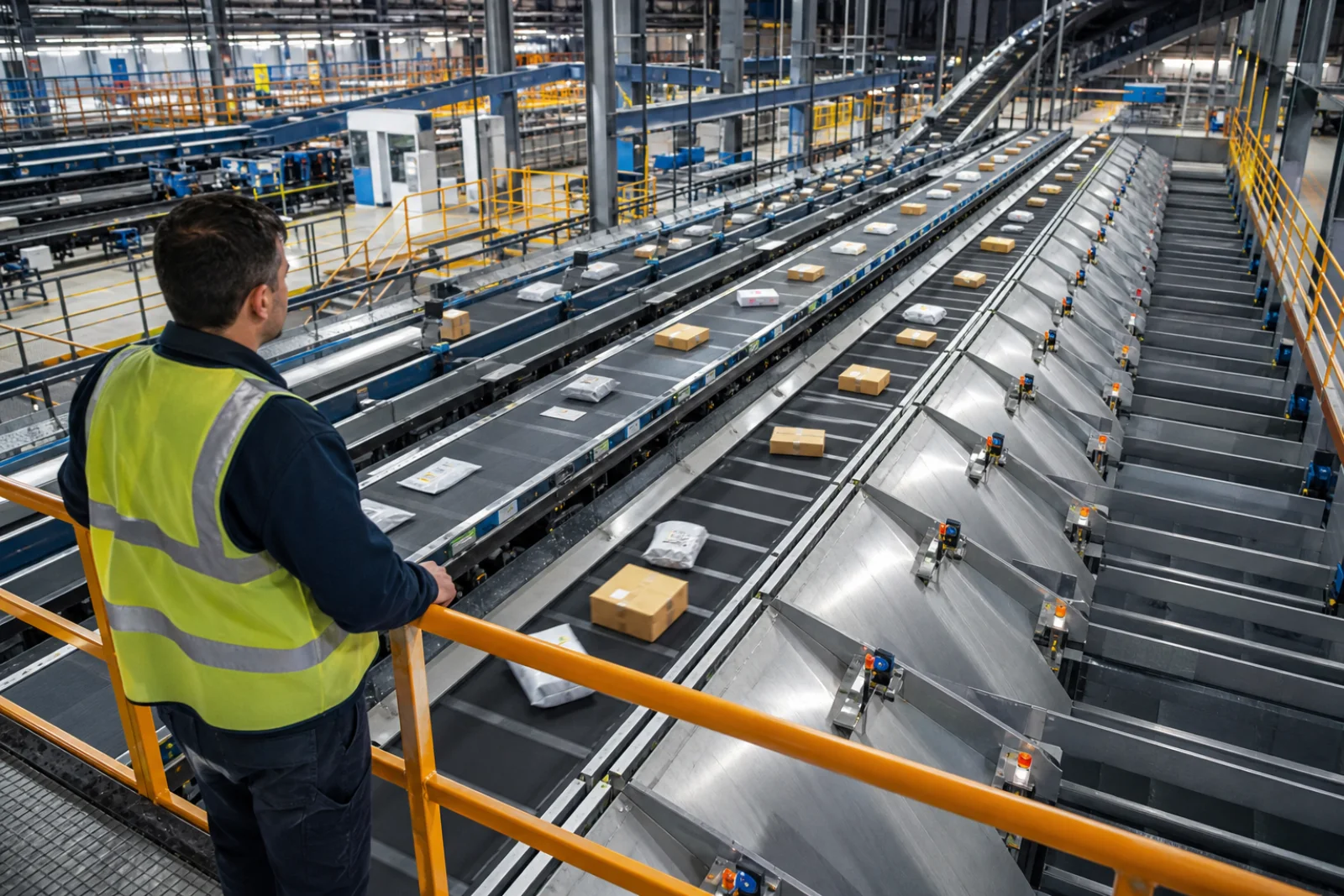
- They accelerate automated order picking and packing, enabling faster responses to customer demand and improving satisfaction.
- They play a critical role in inventory control by providing real-time stock updates and continuous visibility of material availability.
- They analyse collected data and support organisational decision-making.
- They improve occupational safety by reducing personnel exposure to hazardous materials during loading and unloading.
Benefits of Autonomous Robots
Autonomous robots provide organisations with numerous benefits across logistics and warehousing:
- Efficiency: Autonomous robots deliver high efficiency in material handling and operational processes. They save time by moving products rapidly within the warehouse and allow personnel to focus on more strategic tasks.
- Cost: Autonomous robots can reduce labour costs significantly. Their ability to operate continuously enables organisations to achieve greater throughput with fewer manual resources. Maintenance and operating costs can also decrease over the long term.
- Error Reduction: The consistency of automated processes minimises human error. Accurate data acquisition and analysis simplify inventory management, reducing stock discrepancies and improving customer satisfaction.
Applications of Autonomous Robots in Logistics and Warehousing
Autonomous robots support a wide range of logistics and warehouse applications. They are used effectively in processes ranging from material transport to inventory management. By optimising internal workflows and accelerating order management, they improve customer satisfaction. Principal applications include:
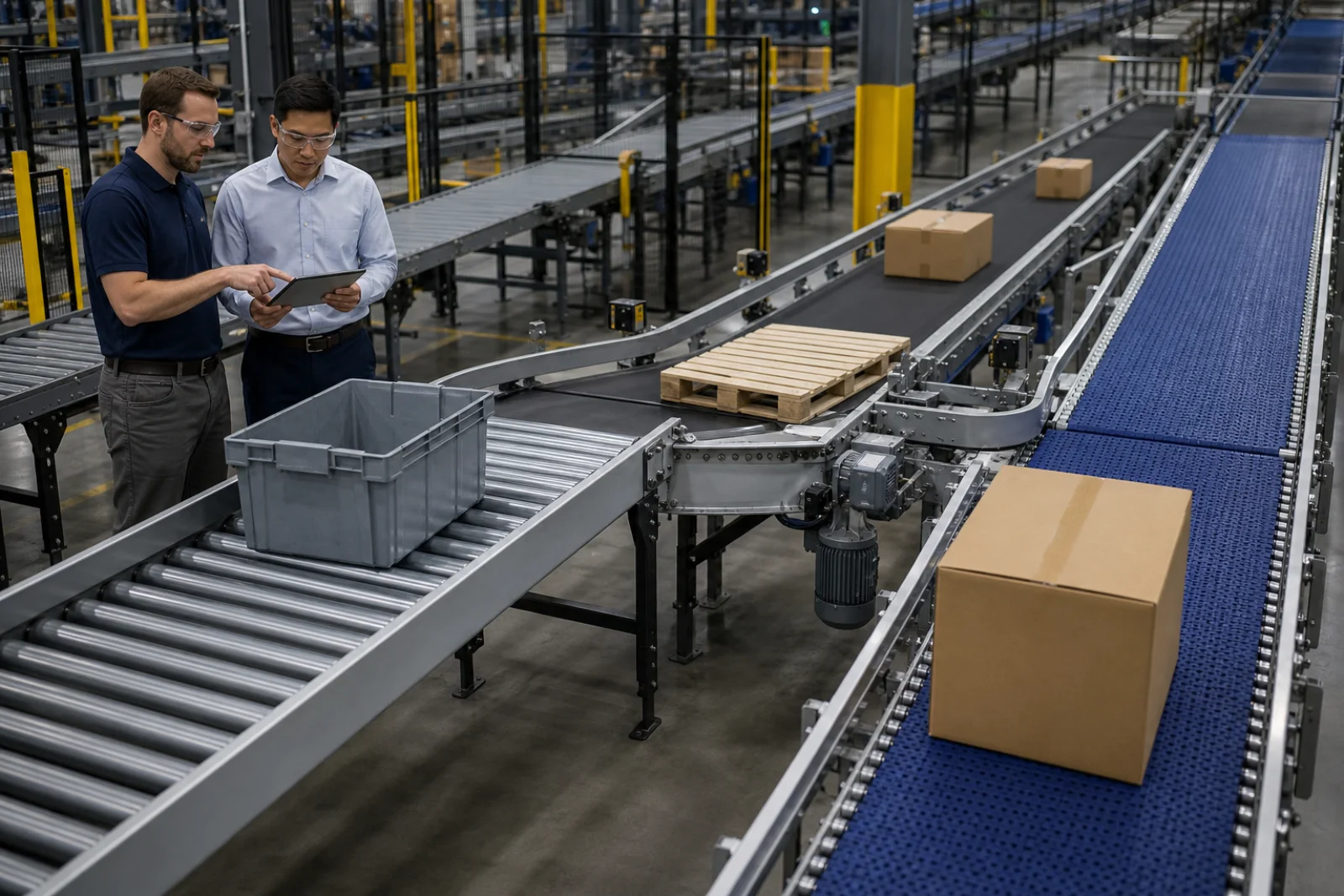
- Material Transport: Autonomous robots automate material movements within the warehouse. Moving products to the correct locations improves efficiency and accelerates loading and unloading.
- Order Management: Autonomous robots integrate with automated picking systems to simplify order management. Fast and accurate service improves the customer experience.
- Inventory Management: Equipped with advanced sensing technology, these robots support inventory control and provide real-time stock updates, enabling continuous visibility of inventory levels.
Types of Autonomous Robot
Autonomous robots are available in different forms designed for specific tasks. Each type is optimised for a particular function and contributes to logistics processes in a different way. Autonomous mobile robots (AMRs), automated guided vehicles (AGVs), drones and robotic arms can be selected according to operational requirements. These technologies have become fundamental components of modern logistics and warehousing.
- AMRs (Autonomous Mobile Robots): Robots capable of selecting and following different routes while transporting materials.
- AGVs (Automated Guided Vehicles): Vehicles that move along defined paths or guidance infrastructure.
- Drones: Used for aerial movement and monitoring of materials.
- Robotic Arms: Well suited to automated assembly, handling and packaging operations.
Technological Developments and Innovation
Artificial intelligence and machine learning are among the technologies improving autonomous robot performance. They enable robots to analyse their surroundings and make decisions more effectively. Data analytics and cloud-based platforms also enhance robot performance and help organisations make more strategic decisions.
Examples of Autonomous Robot Applications
Many large organisations use autonomous robots successfully in logistics and warehousing. Amazon, for example, accelerates order management with automated systems, while Walmart uses autonomous robots to support inventory control. Such applications demonstrate the strategic value of autonomous robotics.
Challenges and Solutions
The adoption of autonomous robots also presents challenges. Safety and reliability concerns are among the most significant barriers, while integration with the human workforce may require changes to established processes. Structured training programmes and carefully designed integration plans are important to overcoming these challenges.
Using Autonomous Robots in Logistics and Warehousing
Autonomous robots provide substantial benefits in logistics and warehousing, including higher efficiency, cost savings and fewer errors. Adopting these technologies can give organisations a competitive advantage, and autonomous robots are expected to become increasingly widespread in future operations.