






Explore the Safety and Precision Capabilities of Carrier Mobile Robot Technology and Learn about Future Developments.
Advancing technology has driven a major transformation in industrial automation, and carrier mobile robots play an important role in this change. Used in environments ranging from factories and hospitals to logistics centres and shopping facilities, these robots are distinguished by their safety and precision capabilities. This article examines those characteristics in detail.
What Is Carrier Mobile Robot Technology?
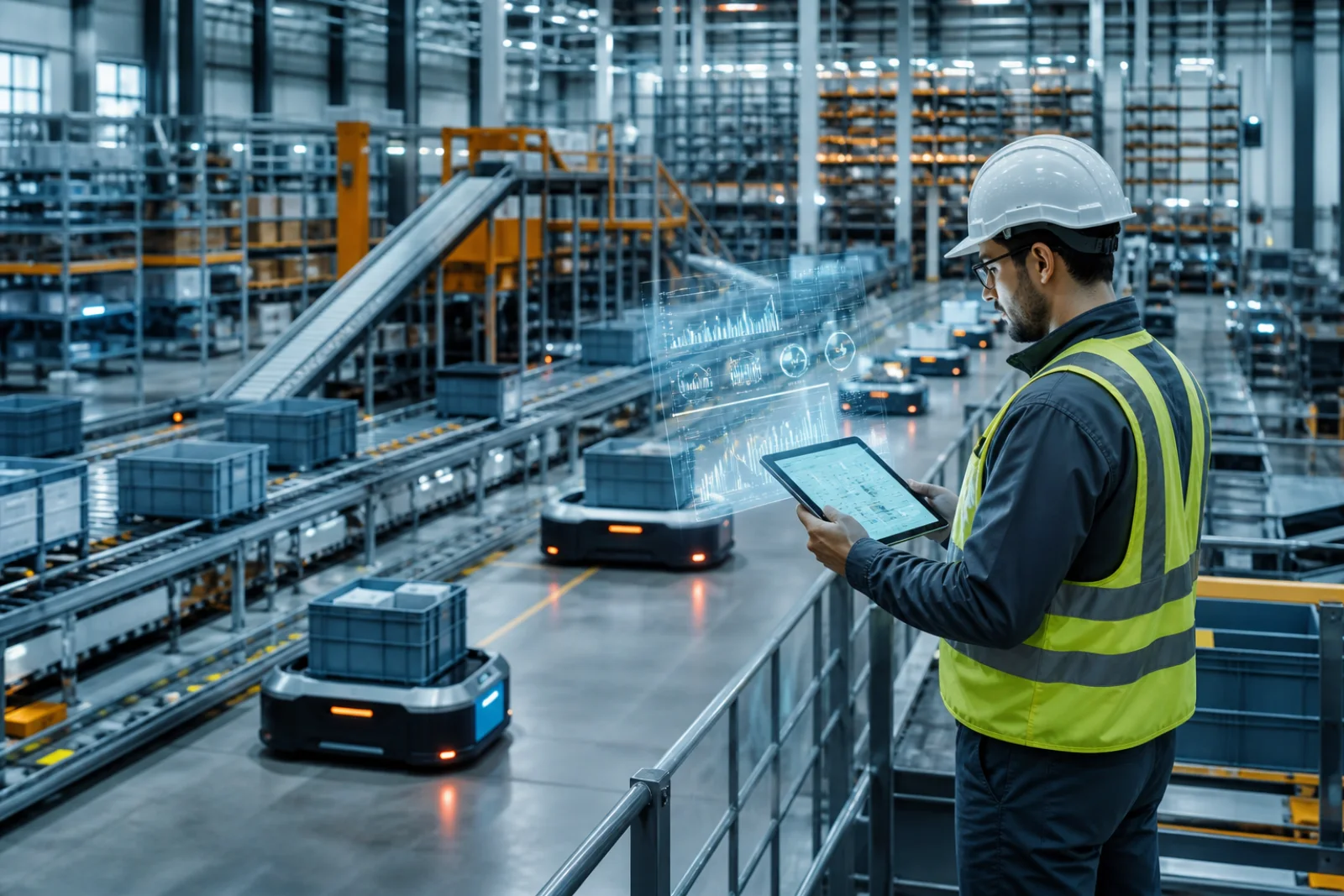
Carrier mobile robot technology refers to robotic systems designed to transport loads or objects autonomously. Using a combination of sensors and software, these robots perceive their surroundings, avoid obstacles and navigate to a defined destination. Typically built on wheeled or tracked platforms, they are used across sectors including logistics, healthcare and manufacturing. Their purpose is to automate transport, improve efficiency and support the human workforce.
Core Characteristics of Carrier Mobile Robots
Carrier mobile robots are automated systems designed to move different objects or loads within a defined environment. They generally use sensors, cameras and software to perceive their surroundings and execute assigned tasks. These robots can operate indoors or outdoors and can be configured for different payload capacities. Across logistics, healthcare, manufacturing and agriculture, they improve efficiency while reducing labour costs.
Safety Capabilities
Safety is one of the most important considerations in carrier mobile robot design. These robots use multiple sensing technologies to detect objects and obstacles in their surroundings. Technologies including lidar, ultrasonic sensors and camera systems can provide 360-degree environmental awareness. This allows robots to prevent collisions and travel safely.
Sensor Technologies
Sensors form the foundation of the safety system and help robots identify surrounding hazards rapidly. Lidar measures the distance to objects and allows the robot to adjust its movement accordingly. Ultrasonic sensors use sound waves to detect obstacles and support path planning. Advanced camera systems combine image-processing algorithms with visual data to identify objects and analyse risks in the operating environment more effectively.
Collision Avoidance and Obstacle Detection
Carrier mobile robots are equipped with collision-avoidance systems that prevent contact with obstacles while the robot is moving. When an obstruction is detected, for example, the robot can stop immediately or change direction. Obstacle-detection technology enables robots to recognise not only physical objects but also the presence of people, supporting a safer working environment.
Precision Capabilities
Precision is one of the most critical characteristics of a carrier mobile robot. Payload-handling and positioning accuracy determine how effectively the robot completes its tasks. This performance depends on the quality of its software and hardware components.
Payload Handling and Positioning Accuracy
Carrier mobile robots can transport defined payloads with high accuracy, providing a major advantage in logistics and manufacturing. They move loads reliably to their required destinations without loss or misplacement. Precise positioning also enables the robot to reach exact transfer points, which is critical to optimising workflows in large facilities.
The Role of Software and Algorithms
Software and algorithms are another important factor in robotic precision. Advanced platforms help robots analyse their surroundings more effectively and make more accurate decisions. Autonomous navigation systems, for example, enable a robot to determine the most efficient route, saving both time and energy.
The Relationship between Safety and Precision
Safety and precision are complementary characteristics in carrier mobile robot performance. The more accurately a robot can position and control itself, the more safely it can move. A highly precise robot can detect surrounding obstacles rapidly while following its intended path. Combining these capabilities improves overall efficiency and reduces human error.
Safety and Precision in Carrier Mobile Robot Technology
Carrier mobile robots are among today's most important automation technologies because of their safety and precision capabilities. They improve efficiency and minimise human error across different sectors. As the technology continues to develop, solutions designed around safety and accuracy will optimise business processes and create safer, more effective operating environments. Carrier mobile robots therefore provide organisations with a significant operational advantage.