






Make Warehouse Management Faster and More Accurate with Sorter Technology. Manage Operations More Efficiently through Advanced Intralogistics Solutions.
As e-commerce expands and customer expectations rise, organisations are adopting technology to improve operational efficiency. Sorter technology is transforming warehouse management by separating and routing products rapidly and accurately. When integrated with advanced intralogistics solutions, it also enables processes to become more intelligent and scalable.
In this article, we examine how sorter technology operates, the value it provides in warehouse management and the transformation it is expected to create in the future.
What Is Sorter Technology?
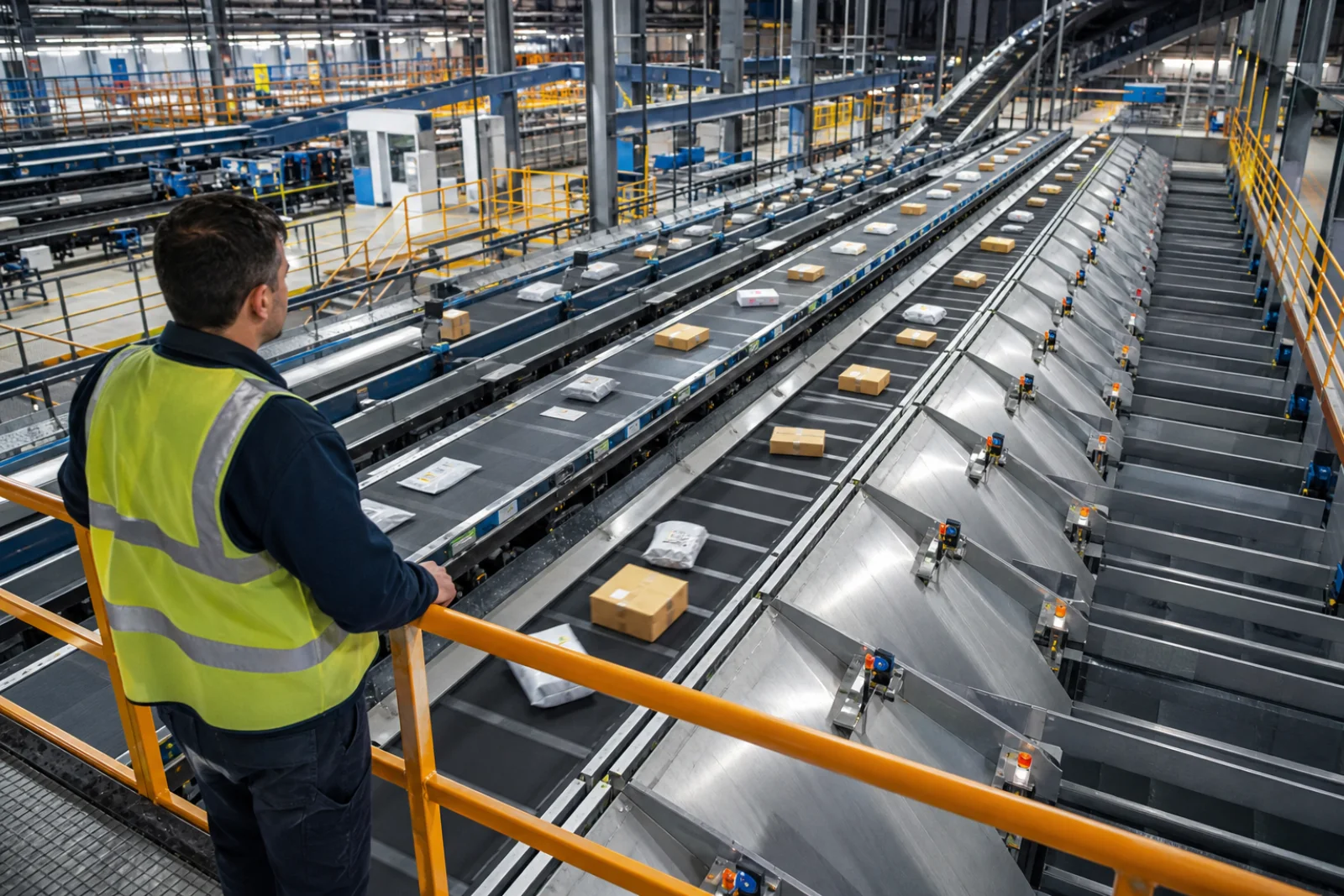
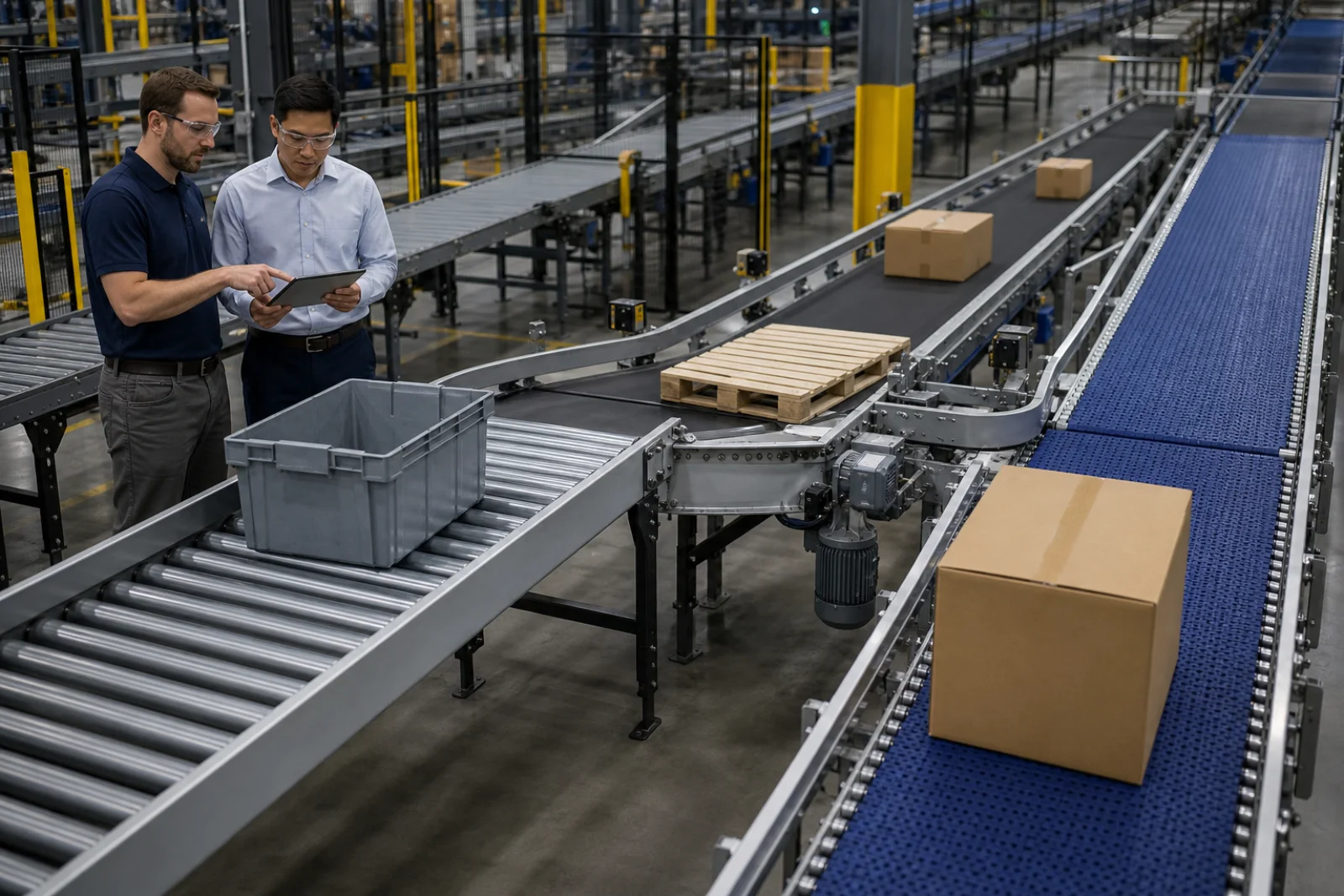
Sorter systems are automated solutions that classify and route products in a warehouse according to defined criteria. Using data such as barcodes, RFID identifiers or weight, these systems direct each item to the correct destination and generate substantial time savings. Different configurations—including conveyor-based, cross-belt and tilt-tray sorters—can be tailored to operational requirements. Systems designed for small parcels are widely used in e-commerce, while robust conveyor-based sorters are preferred for heavy loads.
In addition to increasing speed, sorter systems minimise errors associated with manual processes. Logistics operations can consequently handle high order volumes within very short processing windows.
What Are the Benefits of Sorter Systems in Warehouse Management?
Sorter systems improve warehouse efficiency and provide organisations with numerous benefits. Incorrectly sorting a product, for example, can extend delivery times and damage customer satisfaction. Sorter technology minimises this risk and ensures that orders are routed accurately.
These systems also improve operating efficiency by reducing labour costs. A large warehouse dependent on manual sorting may require many employees, whereas sorter systems minimise human intervention. Personnel can therefore focus on more strategic responsibilities.
Their scalable architecture also allows them to adapt readily to growing throughput. In e-commerce operations in particular, sorter systems manage substantial order flows smoothly during seasonal and promotional peaks.
Integration with Advanced Intralogistics Solutions
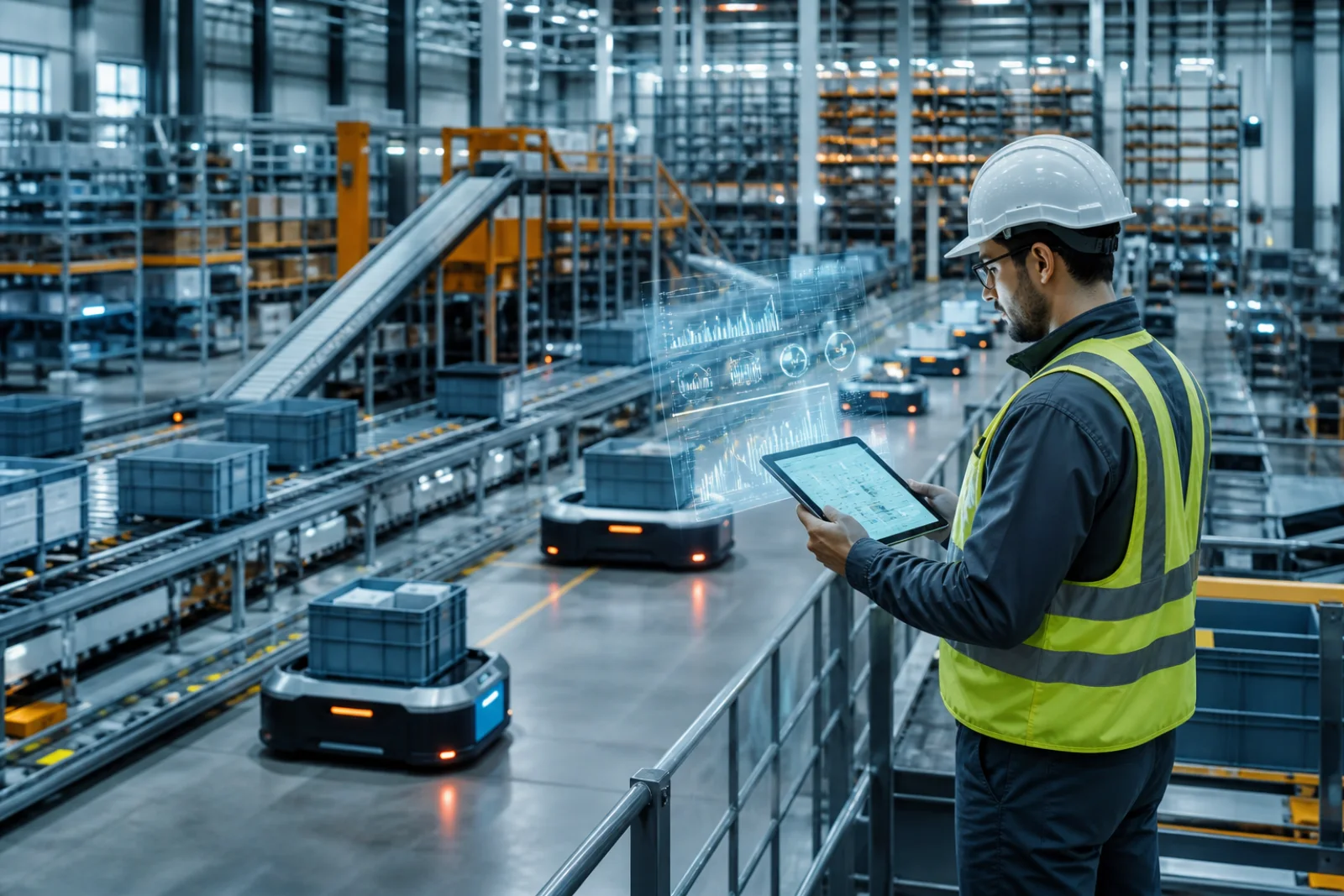
Advanced warehouse management systems (WMS) and automation technologies make sorter systems more intelligent. Integrating a sorter with a WMS enables products to be tracked in real time and routed more efficiently throughout the warehouse.
Integration with robotic automation and AI-assisted analytics also makes sorting processes faster and more predictable. A sorter equipped with Internet of Things (IoT) sensors, for example, can identify a product's position immediately and determine the most appropriate route.
Industry Applications and Success Stories
Sorter technology creates particular value in e-commerce, logistics and retail. Major organisations such as Amazon and Alibaba invest in advanced sorter systems to increase order-processing speed. This enables thousands of orders to be routed within minutes and significantly shortens delivery lead times.
Logistics providers also benefit from sorter technology. Companies such as UPS and FedEx use sorter systems to classify millions of parcels with high accuracy, reducing operating costs while improving customer satisfaction.
In retail, large distribution centres use sorter systems to replenish stores more rapidly and efficiently. Major grocery and retail chains, in particular, deploy these solutions to optimise product-supply processes.
The Future of Sorter Technology
Sorter systems will become more intelligent and environmentally responsible, giving them an even greater role in future warehouse management. AI-assisted algorithms will allow systems to optimise themselves according to dynamic order volumes. Energy-efficient solutions will also help organisations reduce their carbon footprint and develop more sustainable logistics operations.
Innovations such as digital-twin technology will enable warehouses to be simulated in real time so that sorter performance can be optimised before and during operation. These developments will help pave the way towards end-to-end warehouse automation.
Key Takeaways and Conclusion
Sorter technology provides substantial speed and efficiency benefits in warehouse management. It makes operations more profitable by reducing labour costs and contributes directly to customer satisfaction by improving order accuracy.
When integrated with advanced intralogistics solutions, sorter technology simplifies classification and routing while improving overall warehouse performance. Organisations that adopt these systems can strengthen their competitiveness and keep pace with the industry's transformation.