





Space and Picking Optimization with Vertical Storage
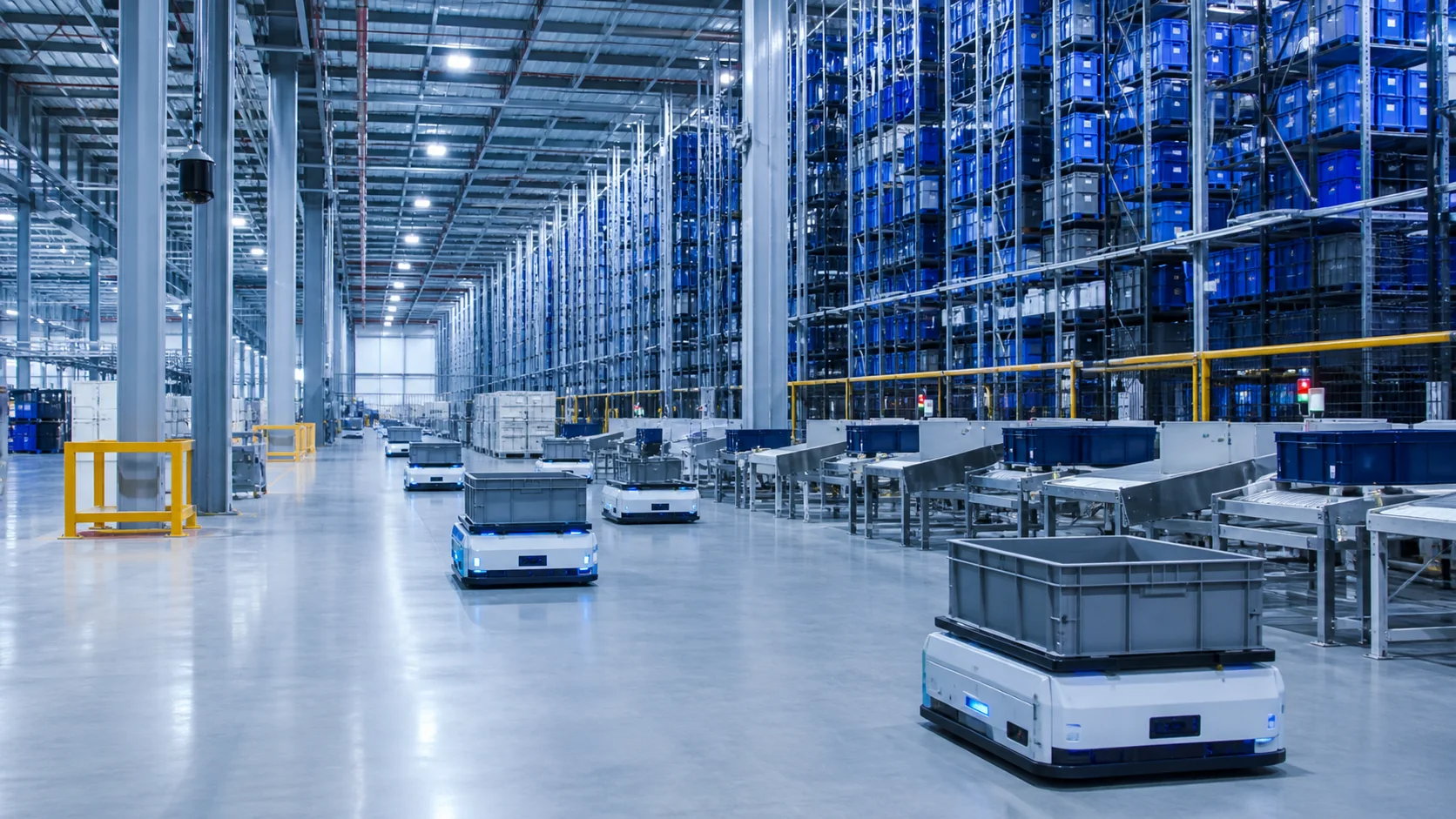
VLM, carousel and pallet automation were matched to load profiles and unified within one inventory and task flow.
Company names, facility locations and identifying information have been removed. Performance values are presented as rounded ranges to protect customer confidentiality.
Space and Picking Optimization with Vertical Storage
Different load sizes and turnover rates shared the same storage approach, creating long picking routes and underused vertical volume.
The objective was to create a sustainable operating model rather than automate an isolated task.
Operational consistency
Different load sizes and turnover rates shared the same storage approach, creating long picking routes and underused vertical volume.
Integrated architecture
We profiled inventory, selected the appropriate storage technology and integrated locations, tasks, ergonomics and WMS/WCS control.
Scenario-based acceptance
Normal operation, exceptions, recovery and critical safety scenarios were tested with operations teams.
Engineering approach
From requirement to system behavior
- Field requirements and operating constraints were modelled before implementation.
- Equipment, software and data interfaces were designed around a common operating context.
- Operator guidance, alarms and recovery scenarios were included in the design.
Controlled implementation
- We profiled inventory, selected the appropriate storage technology and integrated locations, tasks, ergonomics and WMS/WCS control.
- Changes were verified through traceable test and acceptance scenarios.
- Operations and maintenance teams participated in commissioning and handover.
Measurable operational outcome
The warehouse gained higher density, shorter picking movement and system-verified inventory accuracy.